Skip to content
Language
Country/region
Search
Cart

Tuberose Perfume opulent, milky white flower

The most opulent and sulphurous white flower in perfumery, tuberose unfurls creamy, milky and slightly animalic accords of disturbing sensuality. Hard to tame, it marks the boldest and most memorable fragrances. Tuberose perfumes, from the creamy white flower to contemporary interpretations that tame its exuberant nature.

All tuberose perfumes

Sort by:
Best selling
Sort by:
Filter and sort Close
Sort by:
Filter by:
  • $00 Product Title 3 colors
  • $00 Product Title 3 colors
  • $00 Product Title 3 colors
  • $00 Product Title 3 colors
  • $00 Product Title 3 colors
  • $00 Product Title 3 colors
  • $00 Product Title 3 colors
  • $00 Product Title 3 colors

Tuberose in perfumery: the white flower that does not go unnoticed

A flower that keeps releasing its scent after picking

Polianthes tuberosa comes from Mexico, reached Europe in the 16th century, was then grown in Grasse and, on a far larger scale, in India — the Madurai region is one of the great growing areas today. Its peculiarity is biological: the cut flower goes on manufacturing and releasing its scent for hours. For a long time that imposed enfleurage, the technique in which fresh flowers were laid on frames coated with cold fat, replaced day after day until the fat was saturated. The process has vanished from ordinary production: the material is now obtained by volatile solvent extraction, which yields a concrete and then an absolute, and by supercritical CO2, which gives something closer to the living flower. The yield remains tiny, which makes tuberose absolute one of the most expensive floral materials in use.

What does tuberose smell like?

Of a thick, almost edible white flower, and of several other things at the same time. First there is a creamy, milky substance, close to coconut and warm butter. Then comes a sharp, faintly medicinal camphor that stings the nose. And finally there is that nail-varnish facet, frankly chemical, carried by methyl benzoate and methyl salicylate: it is what throws people at first meeting, and it is also what signs the material. Underneath runs a green note, almost of cut stem, and a carnal side that some find erotic and others plainly disturbing. Compared with jasmine it is thicker and less sunlit; compared with ylang-ylang, more camphorous; compared with orange blossom, far more carnal. Gardenia, with which it is often confused, barely exists in perfumery as a natural extract: what goes by that name is almost always a reconstruction built around tuberose.

Tuberose perfumes at Le Soleil d'Or

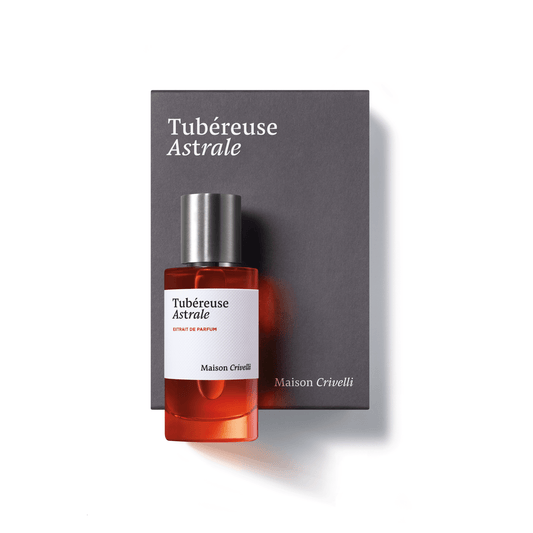
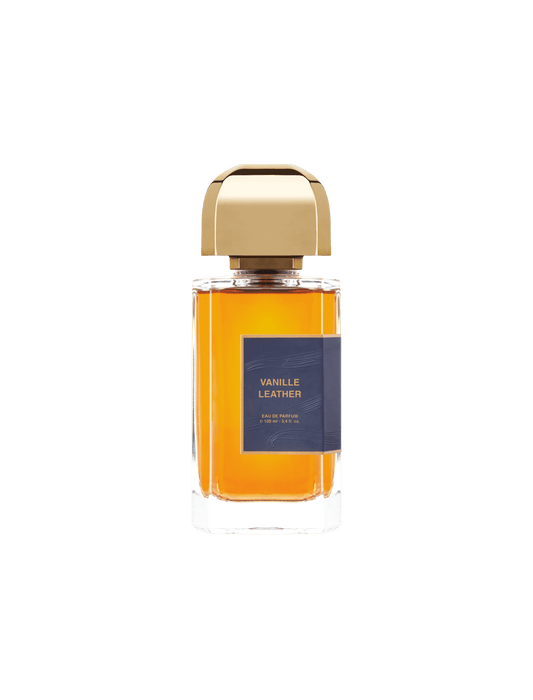
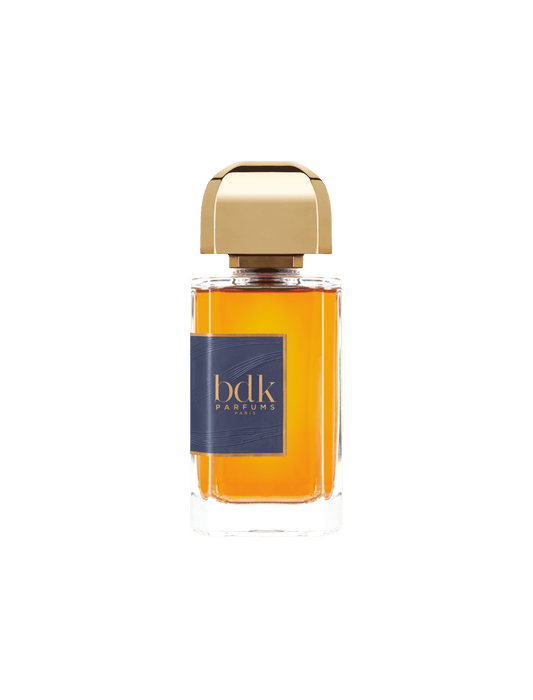
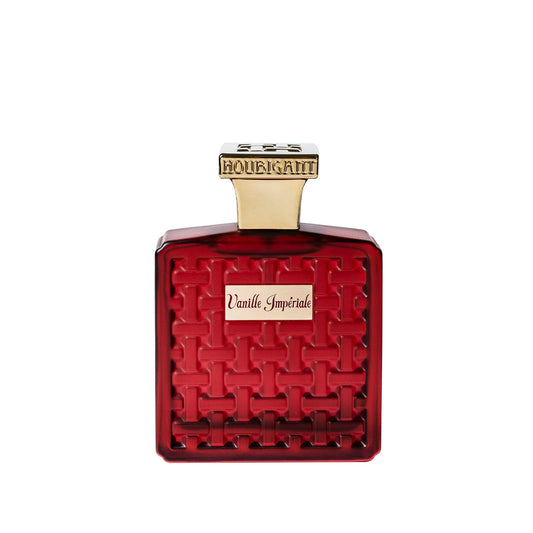
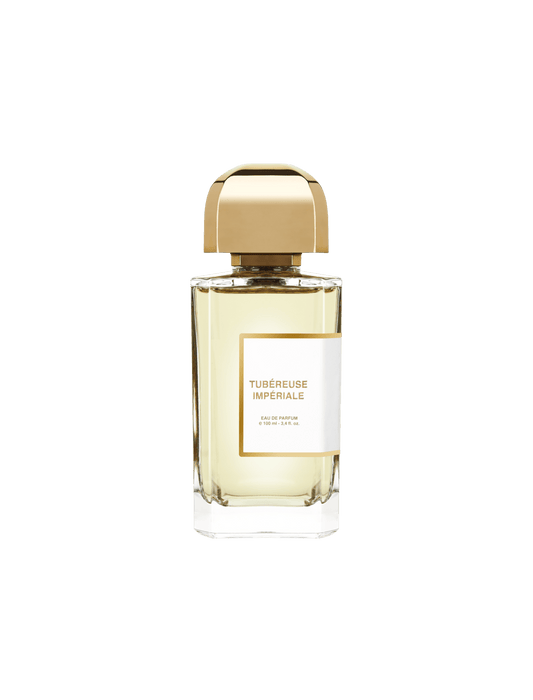
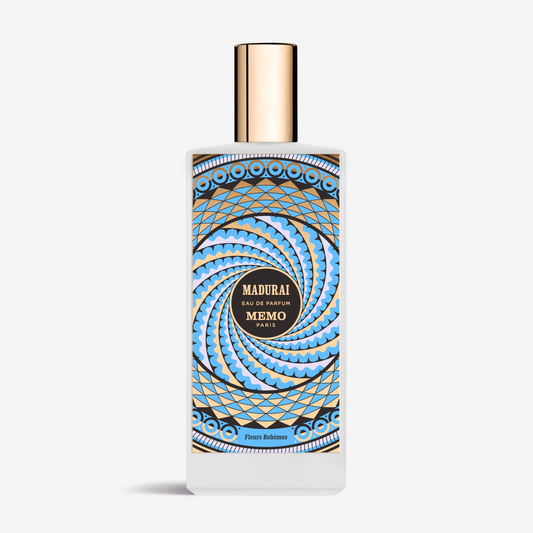
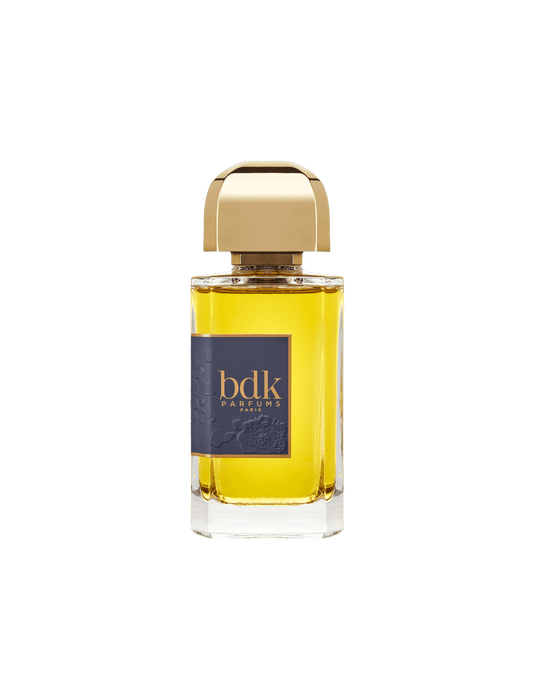
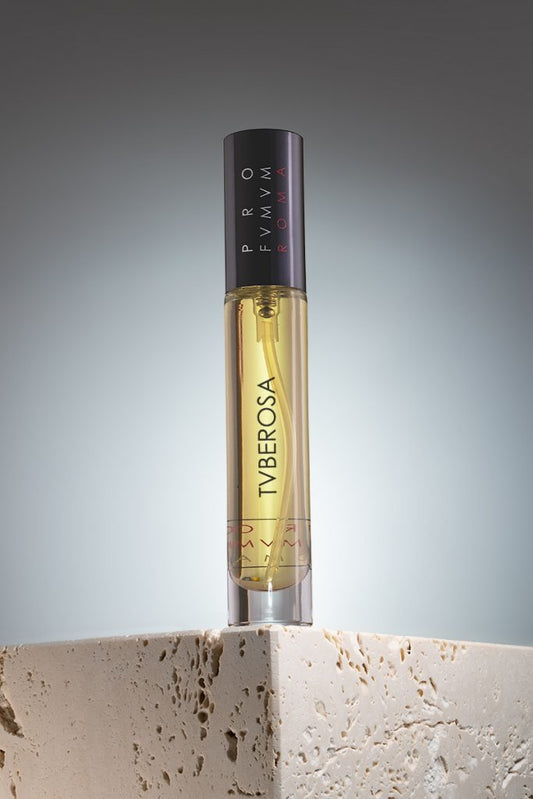
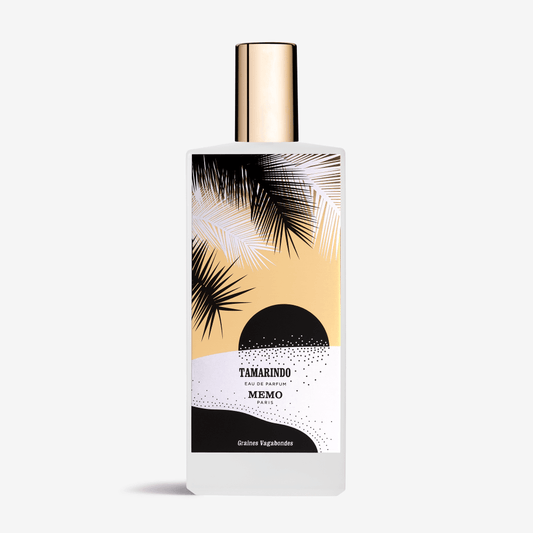
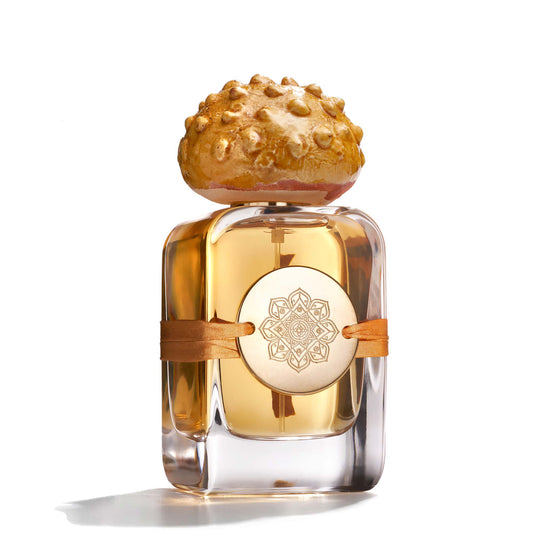
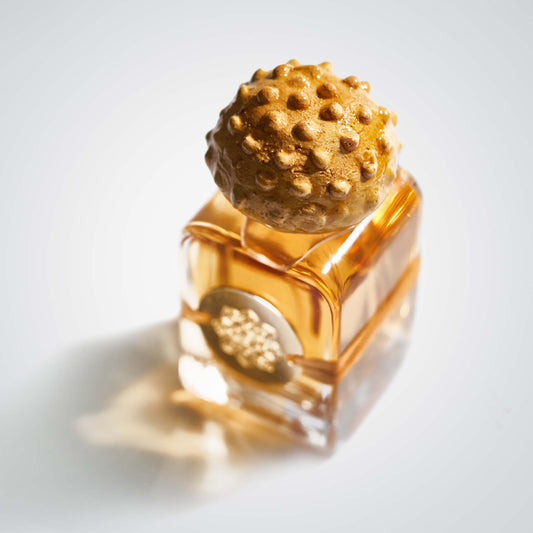
Tuberosa by Profumum Roma gives the most head-on reading: a highly concentrated soliflore, no detours, showing the material as it is. At the other end, Nuit de Bakelite by Naomi Goodsir, composed by Isabelle Doyen, draws a green, cutting tuberose strung with galbanum: probably the least floral tuberose in existence. Tubereuse Astrale Extrait by Maison Crivelli, signed by Quentin Bisch, sets it on a leather and a cinnamon that harden its outline. Tubereuse Imperiale by BDK Parfums does the opposite, melting it into a base of vanilla and sandalwood, which softens it markedly. Finally Madurai by Memo Paris, composed by Gael Montero, pairs it with Indian jasmine in an airier floral.

Tuberose accords and fragrance families

Tuberose is a pillar of floral perfumes, and more precisely of what are called the white florals, where it sits alongside jasmine, ylang-ylang and orange blossom. Set on a vanilla, a benzoin or a sandalwood, it tips towards oriental perfumes and gains roundness. With leather or patchouli it turns harder, almost haughty, over towards chypre perfumes. Its most surprising direction remains the green one: strung with galbanum it joins green perfumes and loses almost all its sweetness. Iris and osmanthus are often used to powder its edges.

Who is it for, and when?

Let us be plain: tuberose is not a note you wear discreetly. The sillage is wide, it goes before you and stays behind you, and one spray too many is quickly reached — two presses are better than four, including on compositions that seem well-behaved on the blotter. It is technically unisex, and several contemporary readings, green or leathery, are worn by anyone; but its history filed it on the feminine side, and that is still how most people read it. It lasts a long time, often a full day, which rules out changing your mind halfway through. Its natural season is late autumn and winter, in the evening, on clothing rather than on bare skin; in high summer and in a closed room it quickly becomes invasive. It was long called indecent, to the point of being kept away from certain upbringings; that reputation mostly tells you it is a flower nobody forgets.

How to choose your tuberose perfume

The first thing to settle is the camphor and the varnish: either that facet amuses you or it repels you, and neither answer can be talked around. Smell it on a blotter first, but decide on skin, because tuberose amplifies a great deal on contact and a composition that seemed reasonable on paper can turn overwhelming within an hour. Give it three hours before concluding. The bespoke discovery box brings together five 2 mL samples composed by hand, each to be worn for a full day: the right format for a note this committing. To get your bearings, compare an unapologetic soliflore such as Tuberosa with a green, dry tuberose such as Nuit de Bakelite: between the two lies almost the whole range of the note.

Tuberose at Le Soleil d'Or, a Lille perfumery since 1953

Founded in 1953 by Jeanne Muyllaert on the Grand'Place in Lille, Le Soleil d'Or is an independent perfumery passed down from one generation to the next. Hubert Maes (third generation) turned it into a reference for niche perfumery; today his daughters Victorine and Apolline Maes (fourth generation) uphold the same standards at 22 rue de la Clef, Lille (59800). Our team will let you smell the tuberose perfumes in the catalogue, with expert advice and guided trials, and can point you in the right direction using our guide to fragrance families.

Delivery & free in-store collection in Lille

Within mainland France, Colissimo delivery is free from 49 € to a pickup point and from 79 € to your door. Within Europe, it is free from 90 € to a pickup point and from 120 € to your door; we also ship worldwide. Live in Lille or nearby? Free in-store collection at 22 rue de la Clef is the fastest and most economical option. Full terms on our shipping page.

Frequently asked questions about Tuberose Perfume

What does tuberose smell like?

Of a thick, creamy white flower, with a sharp camphor and a nail-varnish facet that throws people at first meeting. Underneath run a green cut-stem note and an almost carnal side. It is thicker than jasmine and more camphorous than ylang-ylang.

Why is tuberose absolute so expensive?

Because the yield is very low and the flower fragile. It was long processed by enfleurage, laying fresh flowers on frames of cold fat renewed every day; today it is extracted with solvent, which gives a concrete and then an absolute, and with supercritical CO2. Either way, a considerable quantity of flowers gives very little material.

Are tuberose and gardenia the same thing?

No, they are two different flowers, but they blur together in perfumery for a precise reason: gardenia yields no usable natural extract. What is called gardenia is almost always a reconstruction, and tuberose is its central ingredient. Hence the family resemblance.

Is tuberose a women's perfume?

Nothing obliges it to be. The green, leathery and woody readings are worn by anyone, and several contemporary compositions are written that way. But its history filed it on the feminine side, and that is still how most people around you will read it — worth knowing before you buy.

Which tuberose perfume should I start with?

Avoid the soliflore for a first try: start with a tuberose softened by a vanilla or woody base, such as Tubereuse Imperiale by BDK Parfums, which keeps the flower legible without imposing its full volume. Spray sparingly: on this note, overdosing is the most common mistake.