
Note olfactive
Rose Perfume – the queen of flowers, a thousand faces
The quintessential symbol of floral perfumery, rose reveals a thousand faces depending on its origin and distillation. From the creamy, honeyed Grasse rose to the deep, velvety Turkish rose, by way of the modern roses… Read the story
4.8/5 · 162 verified customer reviews
All Rose Perfume products
-
Regular price30,00 €Regular priceSale price30,00 €Unit priceper
Woody, Fruity, Oriental
5 ml · 6,00 €/ml
Oud Maracujá Extrait MAISON CRIVELLI -
Regular price350,00 €Regular priceSale price350,00 €Unit priceper
Musky, Floral, Spicy
100 ml · 3,50 €/ml
Musc Nurāsana Extrait MAISON CRIVELLI -
Regular priceFrom 48,00 €Regular priceSale priceFrom 48,00 €Unit priceper
Floral, Gourmand, Woody
10 ml · 4,80 €/ml
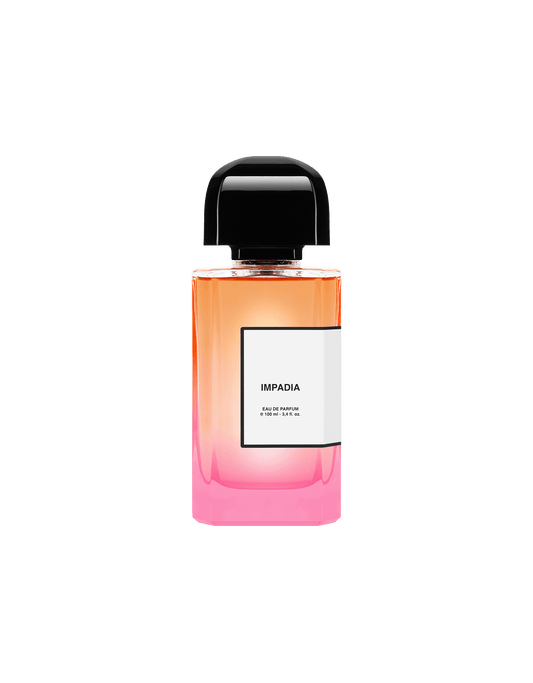
Impadia BDK PARFUMS -
Regular priceFrom 64,00 €Regular priceSale priceFrom 64,00 €Unit priceper
Amber, Fruity
10 ml · 6,40 €/ml
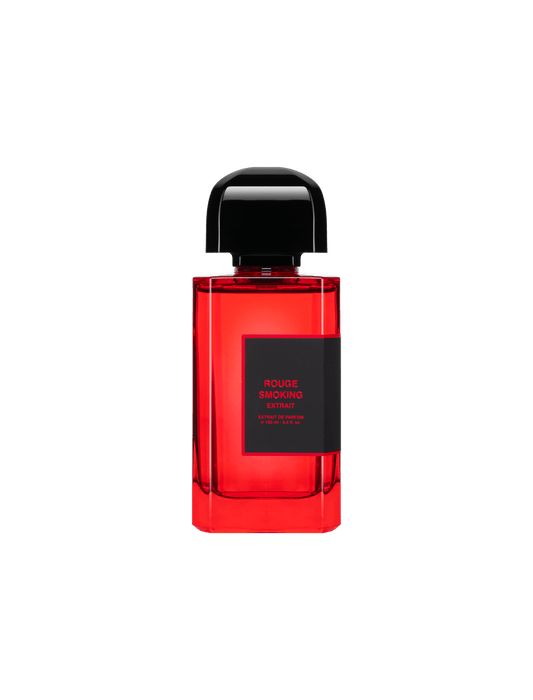
Rouge Smoking Extrait BDK PARFUMS -
Regular priceFrom 48,00 €Regular priceSale priceFrom 48,00 €Unit priceper
Oriental, Gourmand
10 ml · 4,80 €/ml
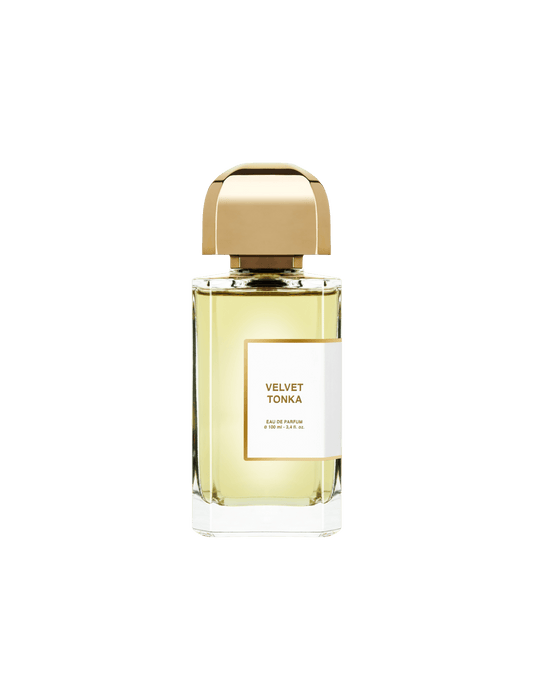
Velvet Tonka BDK PARFUMS -
Regular priceFrom 48,00 €Regular priceSale priceFrom 48,00 €Unit priceper
Woody, Floral
10 ml · 4,80 €/ml
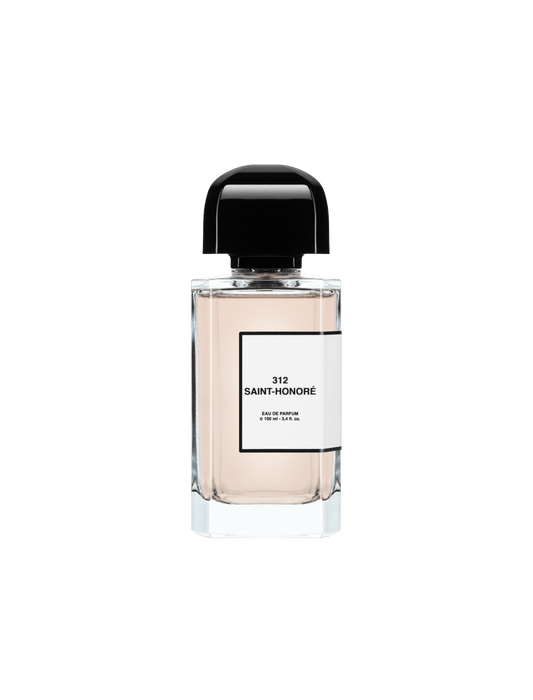
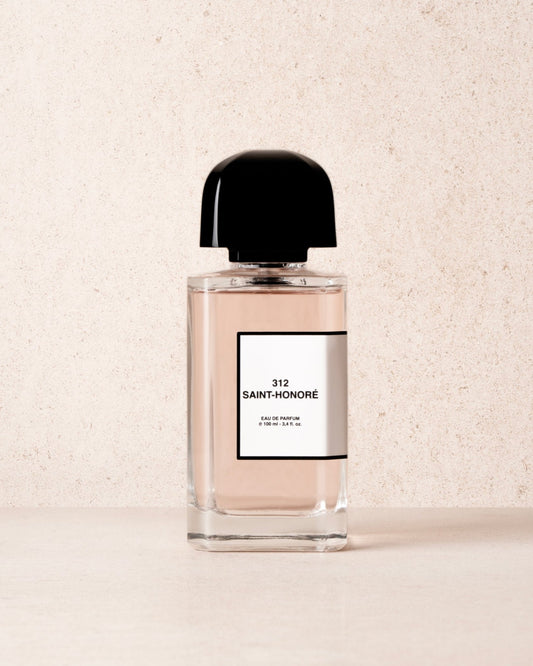
312 Saint-Honoré BDK PARFUMS -
Regular priceFrom 24,00 €Regular priceSale priceFrom 24,00 €Unit priceper
Floral, Spicy
10 ml · 2,40 €/ml
Néroli Botanica ESSENTIAL PARFUMS -
Regular price98,00 €Regular priceSale price98,00 €Unit priceper
Floral, Fruity
100 ml · 0,98 €/ml
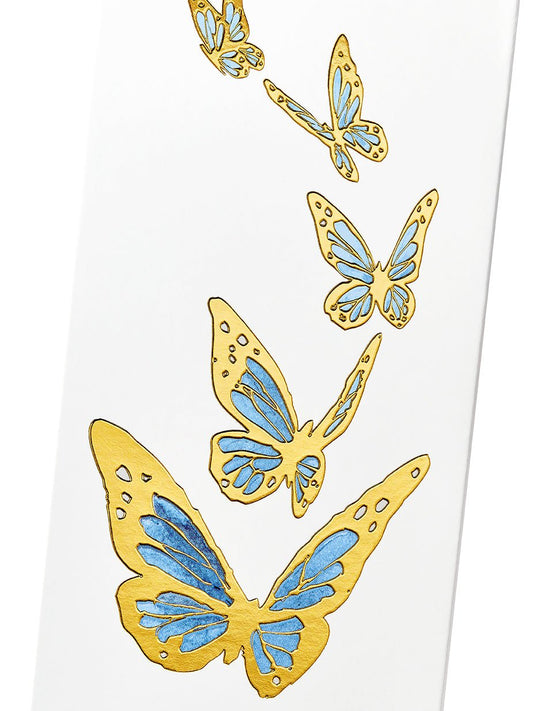
Butterfly - Eau de Toilette HANAE MORI -
Regular price49,00 €Regular priceSale price49,00 €Unit priceper
Oriental, Spicy, Amber
15 ml · 3,27 €/ml
OUD CANNELLE LA CLOSERIE DES PARFUMS -
Regular price220,00 €Regular priceSale price220,00 €Unit priceper
Musky, Fruity
100 ml · 2,20 €/ml
Orencie CHAMBRE52 -
Regular price230,00 €Regular priceSale price230,00 €Unit priceper
Woody, Floral, Fruity
50 ml · 4,60 €/ml
Oud Paradisio BDK PARFUMS -
Regular priceFrom 48,00 €Regular priceSale priceFrom 48,00 €Unit priceper
Floral, Fruity
10 ml · 4,80 €/ml
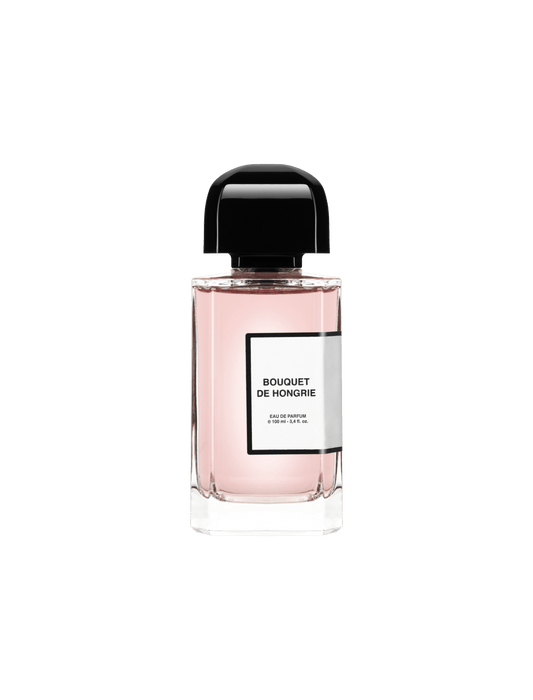
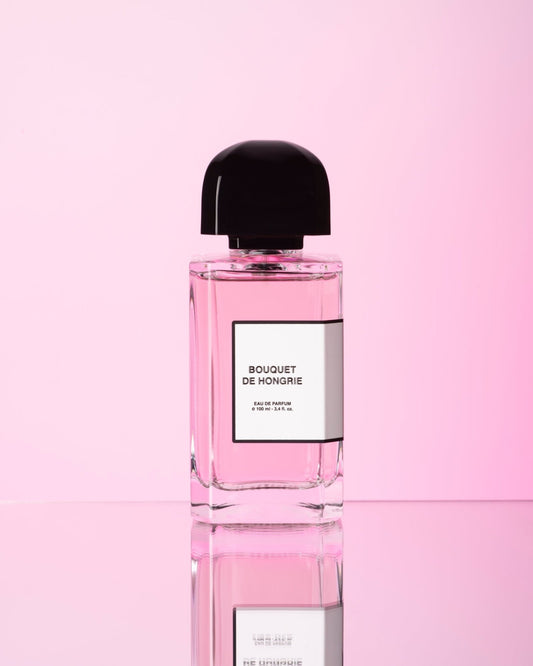
Bouquet de Hongrie BDK PARFUMS -
Regular price320,00 €Regular priceSale price320,00 €Unit priceper
Woody, Floral
100 ml · 3,20 €/ml
Wild Vetiver CREED -
Regular price98,00 €Regular priceSale price98,00 €Unit priceper
Floral, Fruity
50 ml · 1,96 €/ml
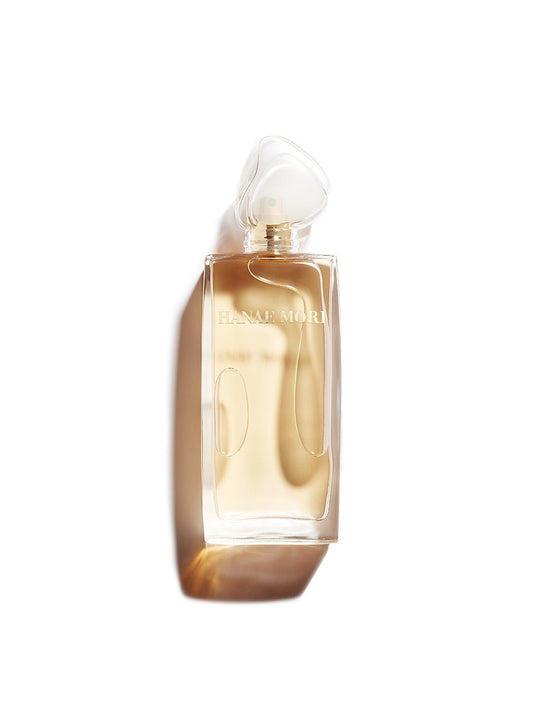
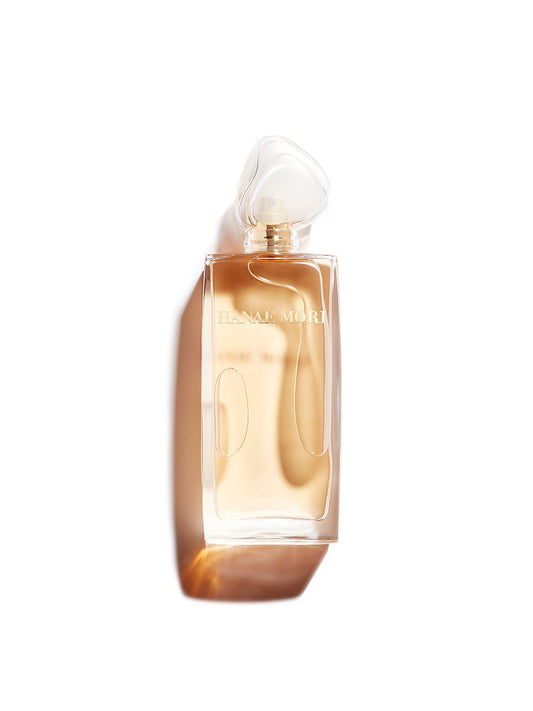
Butterfly HANAE MORI -
Regular price240,00 €Regular priceSale price240,00 €Unit priceper
Floral, Fruity
100 ml · 2,40 €/ml
Pink Me Up ATELIER DES ORS -
Regular priceFrom 42,00 €Regular priceSale priceFrom 42,00 €Unit priceper
Floral, Woody
15 ml · 2,80 €/ml
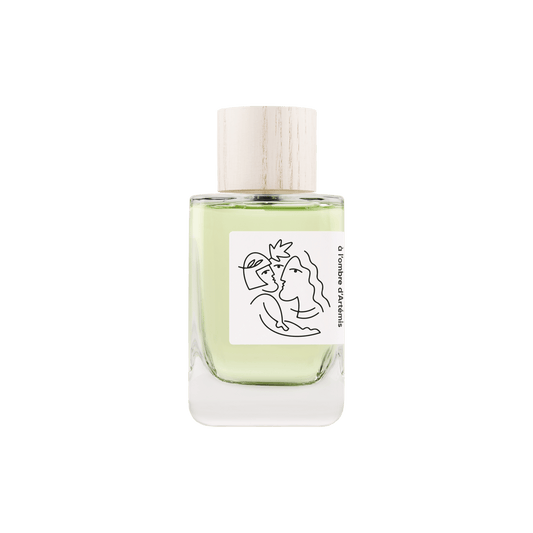
À l’ombre d’Artémis HELLENIST -
Regular price200,00 €Regular priceSale price200,00 €Unit priceper
Amber, Floral
100 ml · 2,00 €/ml
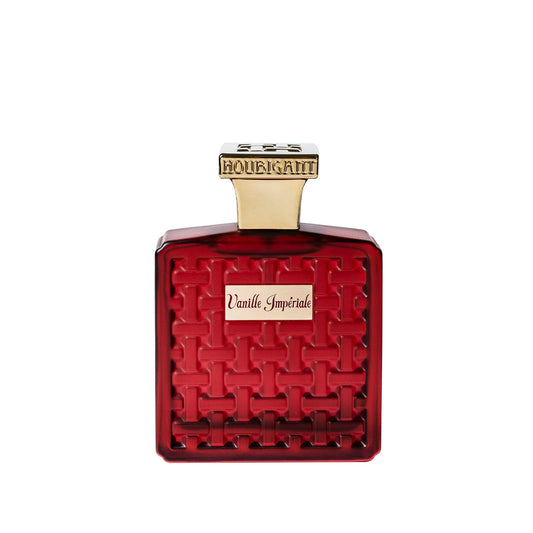
Vanille Impériale HOUBIGANT -
Regular priceFrom 24,00 €Regular priceSale priceFrom 24,00 €Unit priceper
Floral, Amber
10 ml · 2,40 €/ml
Rose Magnetic ESSENTIAL PARFUMS -
Regular priceFrom 25,00 €Regular priceSale priceFrom 25,00 €Unit priceper
Floral, Fruity
50 ml · 4,00 €/ml
Hibiscus Mahajád Extrait MAISON CRIVELLI -
Regular price180,00 €Regular priceSale price180,00 €Unit priceper
Woody, Aromatic
100 ml · 1,80 €/ml
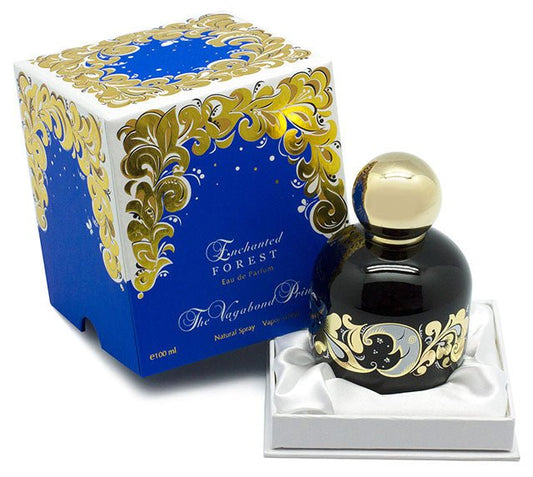
Enchanted Forest THE VAGABOND PRINCE -
Regular price98,00 €Regular priceSale price98,00 €Unit priceper
Amber, Woody
30 ml · 3,27 €/ml
Bois Impérial - Extrait de Parfum ESSENTIAL PARFUMS -
Regular priceFrom 30,00 €Regular priceSale priceFrom 30,00 €Unit priceper
Woody, Oriental, Leathery
50 ml · 4,30 €/ml
Oud Stallion Extrait MAISON CRIVELLI -
Regular priceFrom 91,00 €Regular priceSale priceFrom 91,00 €Unit priceper
Chypre, Leathery
125 ml · 0,73 €/ml
KNIZE TEN KNIZE TEN -
Regular priceFrom 160,00 €Regular priceSale priceFrom 160,00 €Unit priceper
Fruity, Gourmand, Floral
50 ml · 3,20 €/ml
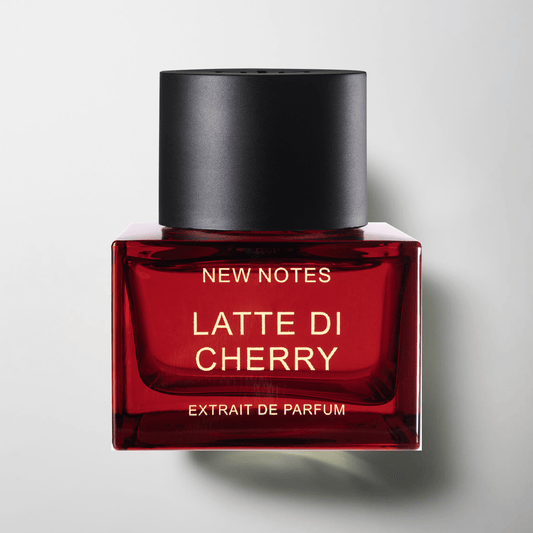
Latte di Cherry NEW NOTES















24 of 296 products
Your fragrance profile
Not sure which fragrance is for you?
Answer a few questions on the scents you love and those you avoid: we suggest the fragrances that suit you, in this house and beyond.


The story