
Note olfactive
Cinnamon Perfume – warm, spicy and ambery
A warm, comforting spice, cinnamon brings an ambery, slightly sweet warmth to oriental and spicy compositions. An emblematic note of autumn and winter perfumes, it pairs wonderfully with sandalwood, vanilla and tonka bean. Cinnamon fragrances,… Read the story
4.7/5 · 79 verified customer reviews
All Cinnamon Perfume products
-
Regular price25,00 €Regular priceSale price25,00 €Unit priceper
Spicy, Floral, Fruity
5 ml · 5,00 €/ml
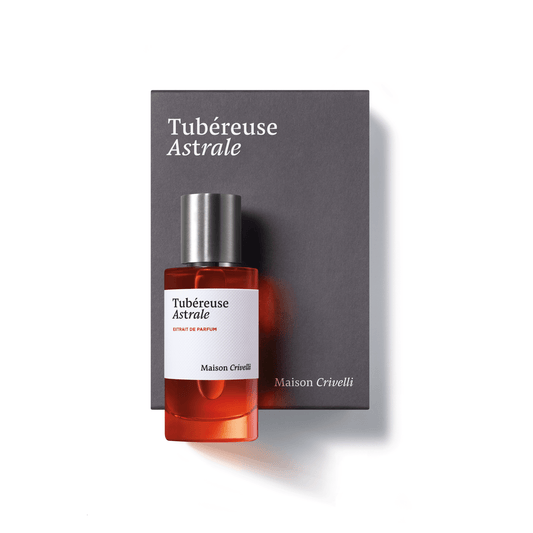
Tubéreuse Astrale Extrait MAISON CRIVELLI -
Regular priceFrom 270,00 €Regular priceSale priceFrom 270,00 €Unit priceper
Woody, Citrus
50 ml · 5,40 €/ml
Absolu Aventus CREED -
Regular priceFrom 75,00 €Regular priceSale priceFrom 75,00 €Unit priceper
Woody, Spicy
50 ml · 1,50 €/ml
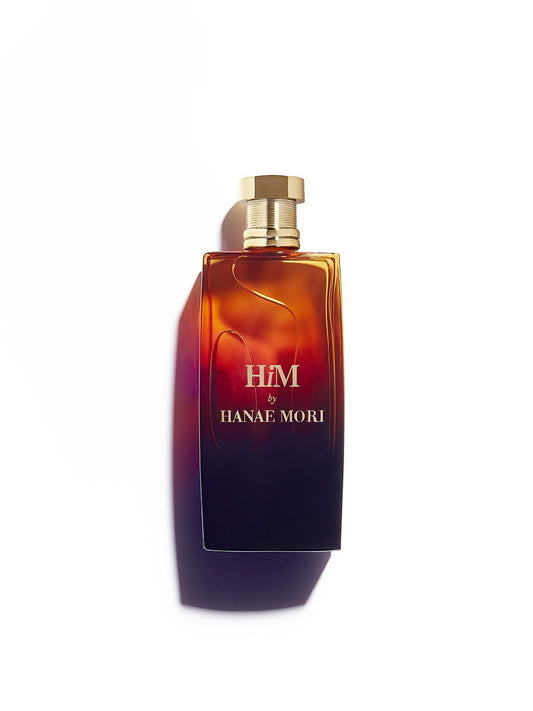
HiM HANAE MORI -
Regular price49,00 €Regular priceSale price49,00 €Unit priceper
Oriental, Spicy, Amber
15 ml · 3,27 €/ml
OUD CANNELLE LA CLOSERIE DES PARFUMS -
Regular priceFrom 160,00 €Regular priceSale priceFrom 160,00 €Unit priceper
Fruity, Spicy, Oriental
50 ml · 3,20 €/ml
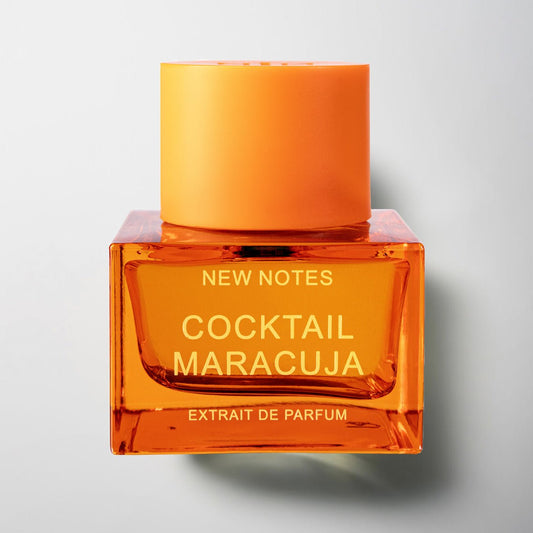
Cocktail Maracuja NEW NOTES -
Regular price91,00 €Regular priceSale price91,00 €Unit priceper
Chypre, Floral
50 ml · 1,82 €/ml
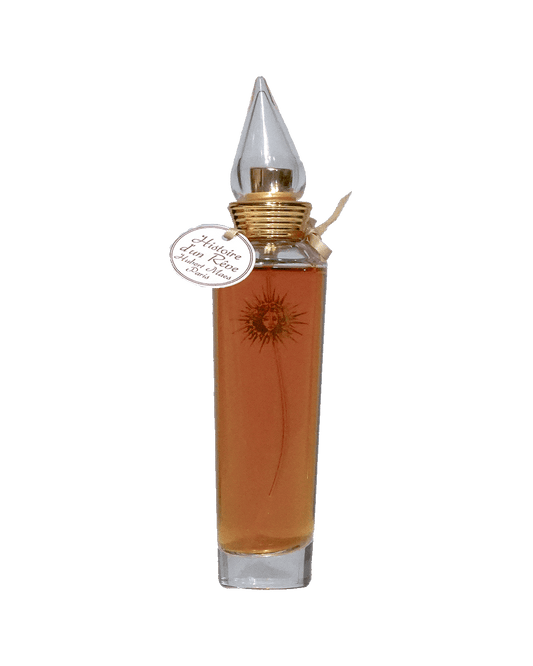
Histoire d'un Rêve HUBERT MAES CRÉATIONS -
Regular price180,00 €Regular priceSale price180,00 €Unit priceper
Woody, Smoky, Amber
50 ml · 3,60 €/ml
Bois d'Ascèse NAOMI GOODSIR -
Regular priceFrom 160,00 €Regular priceSale priceFrom 160,00 €Unit priceper
Amber, Woody
70 ml · 2,29 €/ml
09 - Coup de Foudre Quai Voltaire SOLFÉRINO PARIS -
Regular price91,00 €Regular priceSale price91,00 €Unit priceper
Amber, Vanilla, Oriental
50 ml · 1,82 €/ml
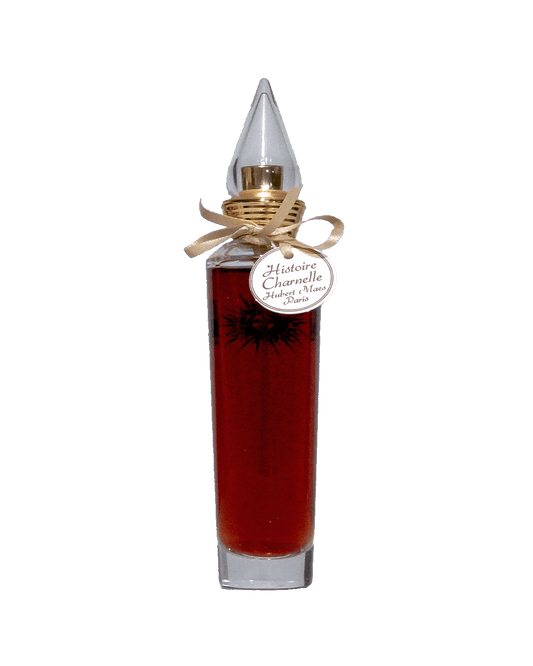
Histoire Charnelle HUBERT MAES CRÉATIONS -
Regular priceFrom 90,00 €Regular priceSale priceFrom 90,00 €Unit priceper
Woody, Fruity, Green
30 ml · 3,00 €/ml
Bois Datchaï MAISON CRIVELLI -
Regular priceFrom 175,00 €Regular priceSale priceFrom 175,00 €Unit priceper
Oriental, Woody
30 ml · 5,83 €/ml
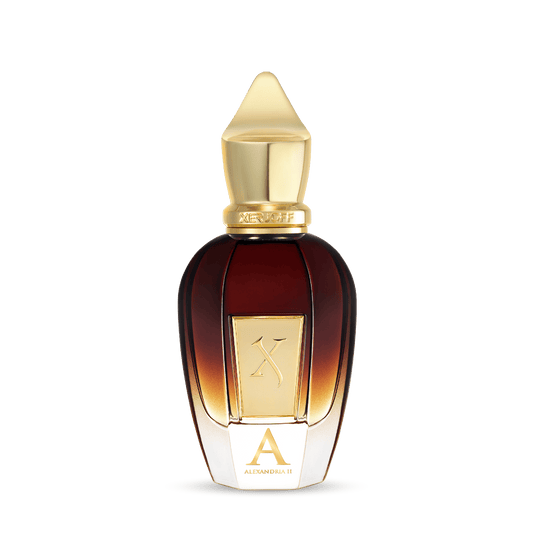
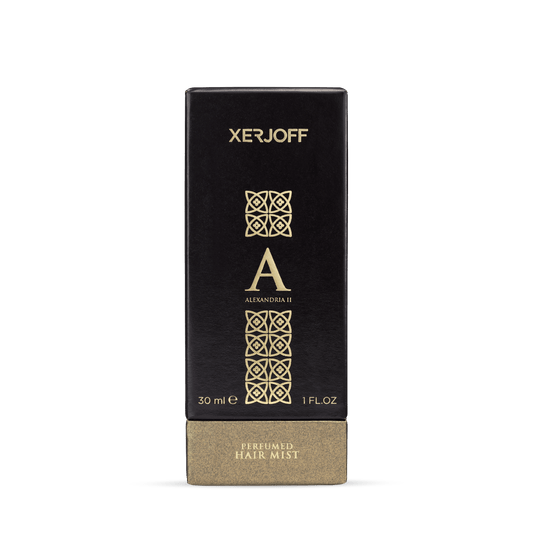
Alexandria II XERJOFF -
Regular price200,00 €Regular priceSale price200,00 €Unit priceper
Aromatic, Fougère
100 ml · 2,00 €/ml
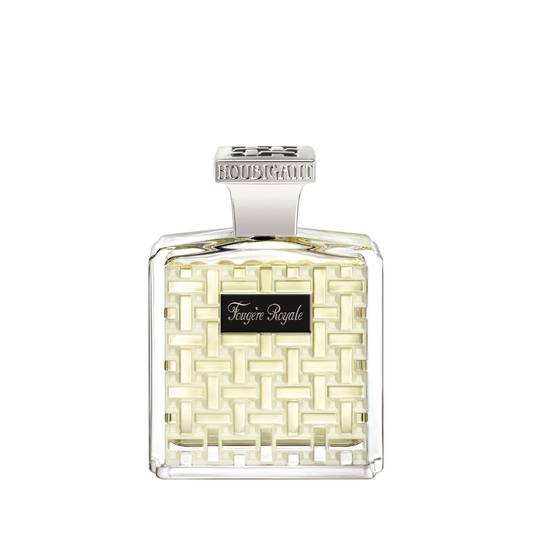
Fougère Royale HOUBIGANT -
Regular price98,00 €Regular priceSale price98,00 €Unit priceper
Amber, Musky
30 ml · 3,27 €/ml
The Musc - Extrait de Parfum ESSENTIAL PARFUMS -
Regular priceFrom 25,00 €Regular priceSale priceFrom 25,00 €Unit priceper
Floral, Fruity
50 ml · 4,00 €/ml
Hibiscus Mahajád Extrait MAISON CRIVELLI -
Regular priceFrom 225,00 €Regular priceSale priceFrom 225,00 €Unit priceper
Vanilla, Oriental
75 ml · 3,00 €/ml
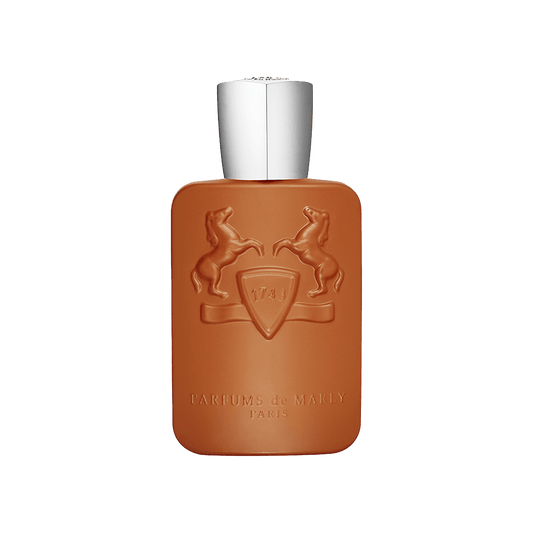
ALTHAÏR PARFUMS DE MARLY -
Regular price245,00 €Regular priceSale price245,00 €Unit priceper
Aromatic, Spicy
100 ml · 2,45 €/ml
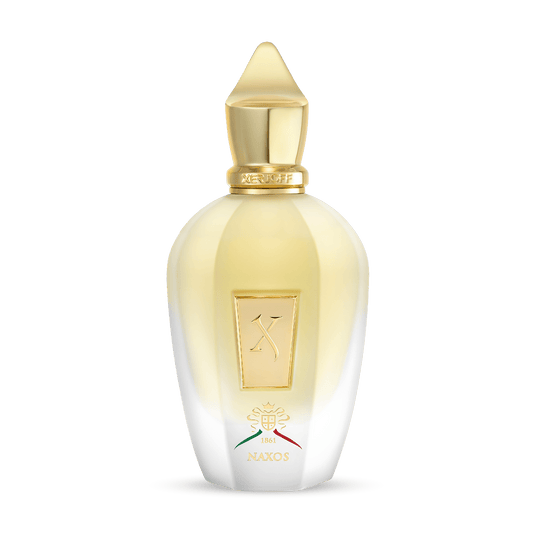
Naxos XERJOFF -
Regular priceFrom 220,00 €Regular priceSale priceFrom 220,00 €Unit priceper
Oriental
50 ml · 4,40 €/ml
Side Effect INITIO -
Regular priceFrom 91,00 €Regular priceSale priceFrom 91,00 €Unit priceper
Chypre, Leathery
125 ml · 0,73 €/ml
KNIZE TEN KNIZE TEN -
Regular priceFrom 230,00 €Regular priceSale priceFrom 230,00 €Unit priceper
Woody, Gourmand, Amber
50 ml · 4,60 €/ml
Stellar Silk BDK PARFUMS -
Regular price39,00 €Regular priceSale price39,00 €Unit priceper
Gourmand, Fruity
15 ml · 2,60 €/ml
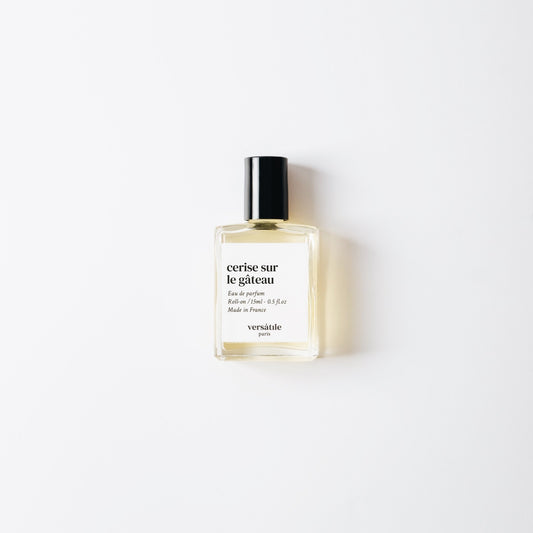
CERISE SUR LE GÂTEAU VERSATILE -
Regular priceFrom 170,00 €Regular priceSale priceFrom 170,00 €Unit priceper
Gourmand, Oriental, Vanilla
100 ml · 2,40 €/ml
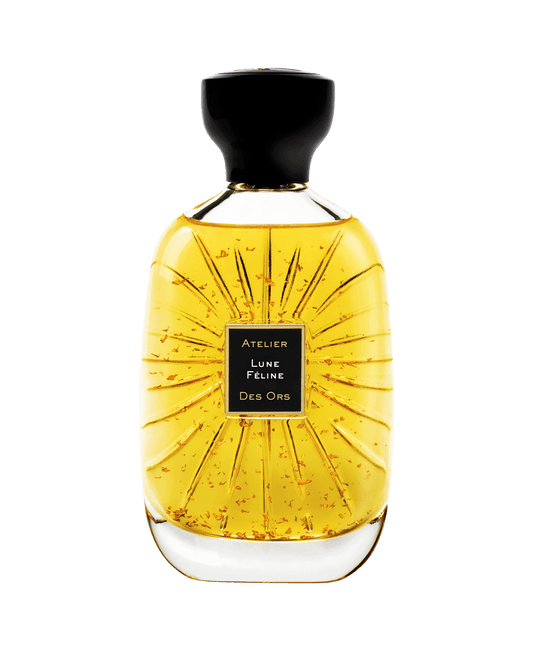
Lune Féline ATELIER DES ORS -
Regular price215,00 €Regular priceSale price215,00 €Unit priceper
Gourmand, Fruity
50 ml · 4,30 €/ml
Venom Incarnat STEPHANE HUMBERT LUCAS -
Regular priceFrom 275,00 €Regular priceSale priceFrom 275,00 €Unit priceper
Vanilla, Gourmand
75 ml · 3,67 €/ml
ALTHAÏR EXCLUSIF PARFUMS DE MARLY -
Regular price55,00 €Regular priceSale price55,00 €Unit priceper
Gourmand, Vanilla
15 ml · 3,67 €/ml
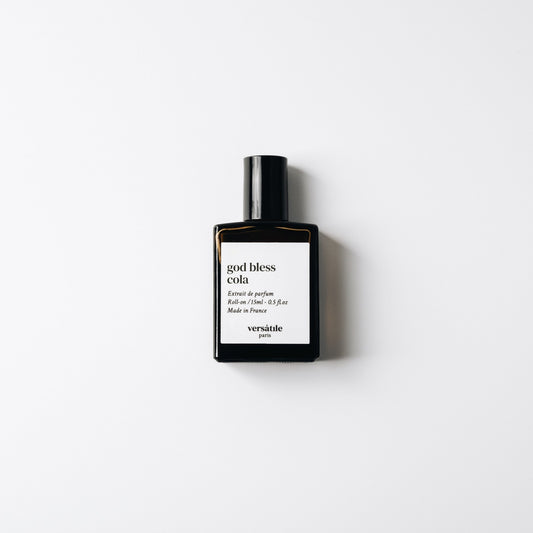
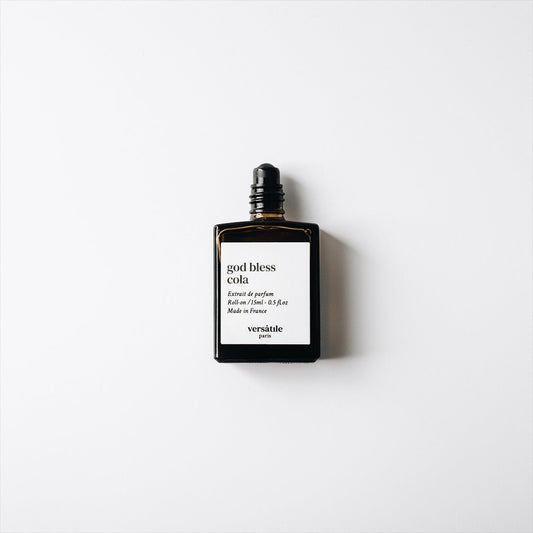
GOD BLESS COLA VERSATILE
















24 of 88 perfumes
Your fragrance profile
Not sure which fragrance is for you?
Answer a few questions on the scents you love and those you avoid: we suggest the fragrances that suit you, in this house and beyond.


The story