
Note olfactive
Coconut Perfume – milky, tropical sweetness
Evocative of tropical beaches, coconut brings a milky, slightly vanillic and gourmand softness to solar and oriental compositions. A quintessential summer note, it instantly transports you to sunlit latitudes. Coconut fragrances, from solar florals to… Read the story
4.8/5 · 32 verified customer reviews
All Coconut Perfume products
-
Regular priceFrom 38,00 €Regular priceSale priceFrom 38,00 €Unit priceper
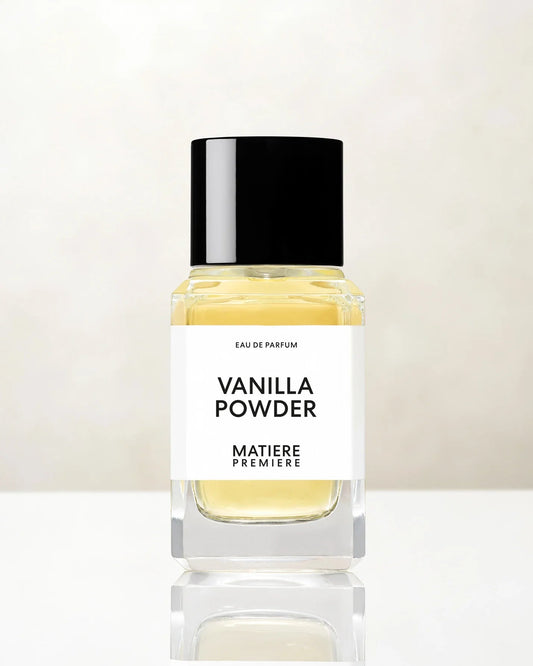
Vanilla, Powdery
6 ml · 6,33 €/ml
VANILLA POWDER MATIERE PREMIERE -
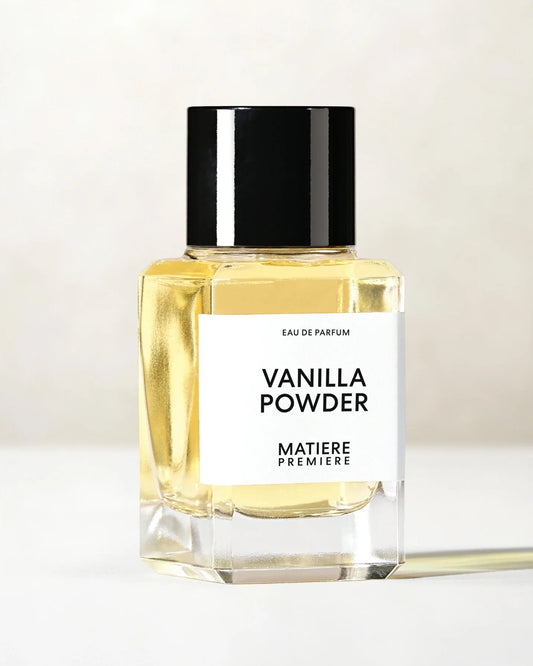
Regular price250,00 €Regular priceSale price250,00 €Unit priceper
Vanilla, Powdery
50 ml · 5,00 €/ml
VANILLA POWDER Extrait MATIERE PREMIERE -
Regular price120,00 €Regular priceSale price120,00 €Unit priceper
Gourmand, Vanilla
18 ml · 6,67 €/ml
Gioiosa PROFUMUM ROMA -
Regular price140,00 €Regular priceSale price140,00 €Unit priceper
Vanilla, Floral, Gourmand
100 ml · 1,40 €/ml
Bora Bora GIARDINI DI TOSCANA -
Regular priceFrom 80,00 €Regular priceSale priceFrom 80,00 €Unit priceper
Gourmand, Fruity
30 ml · 2,67 €/ml
Rise AKRO -
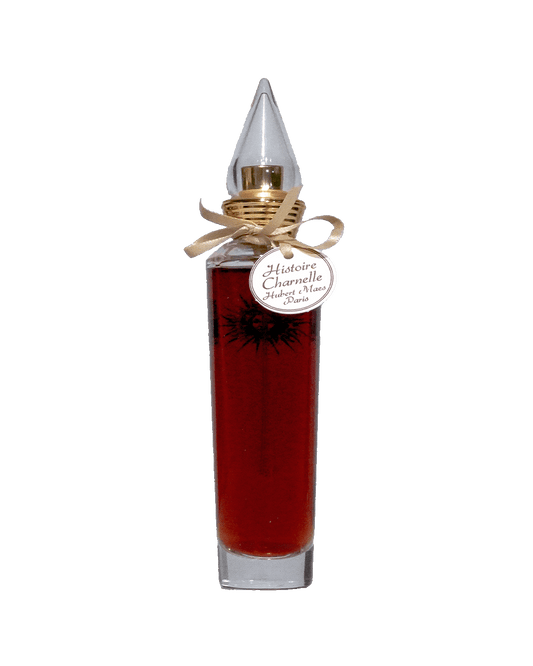
Regular price91,00 €Regular priceSale price91,00 €Unit priceper
Amber, Vanilla, Oriental
50 ml · 1,82 €/ml
Histoire Charnelle HUBERT MAES CRÉATIONS -
Regular price265,00 €Regular priceSale price265,00 €Unit priceper
Gourmand, Fruity
50 ml · 5,30 €/ml
Soleil de Jeddah Mango Kiss STEPHANE HUMBERT LUCAS -
Regular price180,00 €Regular priceSale price180,00 €Unit priceper
Amber, Woody, Gourmand
50 ml · 3,60 €/ml
Or du Sérail NAOMI GOODSIR -
Regular price65,00 €Regular priceSale price65,00 €Unit priceper
Gourmand, Fruity
30 ml · 2,17 €/ml
VERY BAD RICE SPRAY VERSATILE -
Regular price280,00 €Regular priceSale price280,00 €Unit priceper
Amber, Gourmand
90 ml · 3,11 €/ml
SUGAR BLAST INITIO -
Regular price140,00 €Regular priceSale price140,00 €Unit priceper
Gourmand, Powdery
100 ml · 1,40 €/ml
Oro e Miele GIARDINI DI TOSCANA -
Regular price180,00 €Regular priceSale price180,00 €Unit priceper
Gourmand, Vanilla, Oriental
60 ml · 3,00 €/ml
Felina NEW NOTES -
Regular price180,00 €Regular priceSale price180,00 €Unit priceper
Amber, Woody
100 ml · 1,80 €/ml
Amberbomb LABORATORIO OLFATTIVO -
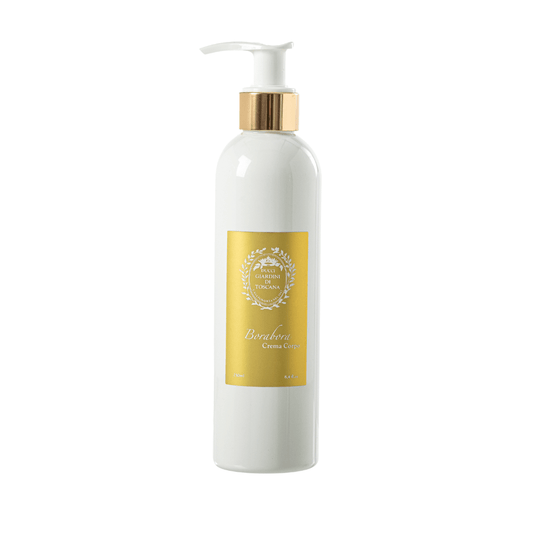
Regular price50,00 €Regular priceSale price50,00 €Unit priceper
Musky, Floral
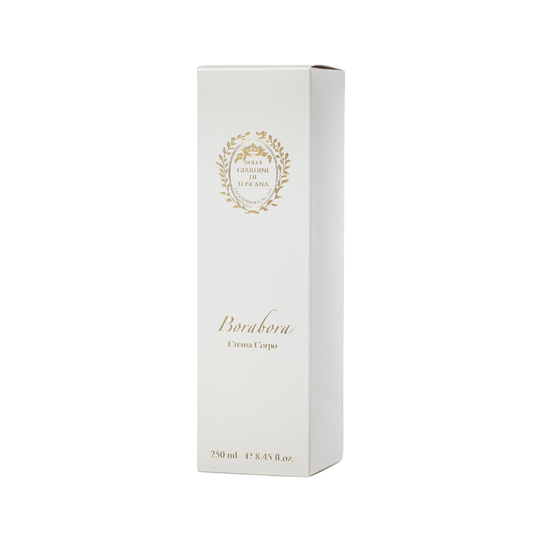
250 ml · 0,20 €/ml
Bora Bora - Crème pour le Corps GIARDINI DI TOSCANA -
Regular price98,00 €Regular priceSale price98,00 €Unit priceper
Gourmand, Floral
18 ml · 5,44 €/ml
Dolce Acqua PROFUMUM ROMA -
Regular price330,00 €Regular priceSale price330,00 €Unit priceper
Floral
100 ml · 3,30 €/ml
Sabbia Bianca PROFUMUM ROMA -
Regular price200,00 €Regular priceSale price200,00 €Unit priceper
Fruity, Woody
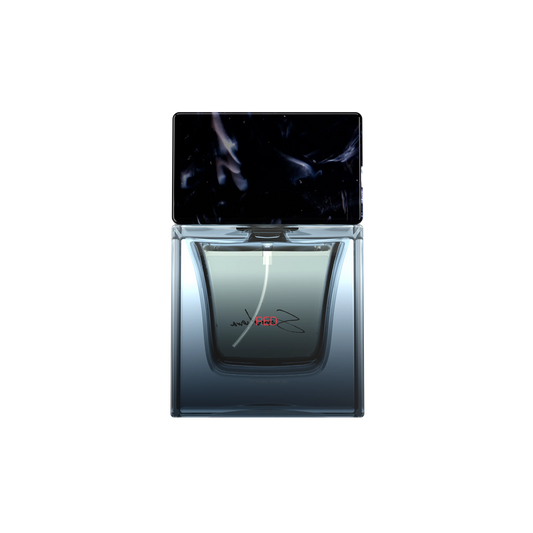
50 ml · 4,00 €/ml
RED SORA DORA -
Regular price91,00 €Regular priceSale price91,00 €Unit priceper
Fruity, Floral, Gourmand
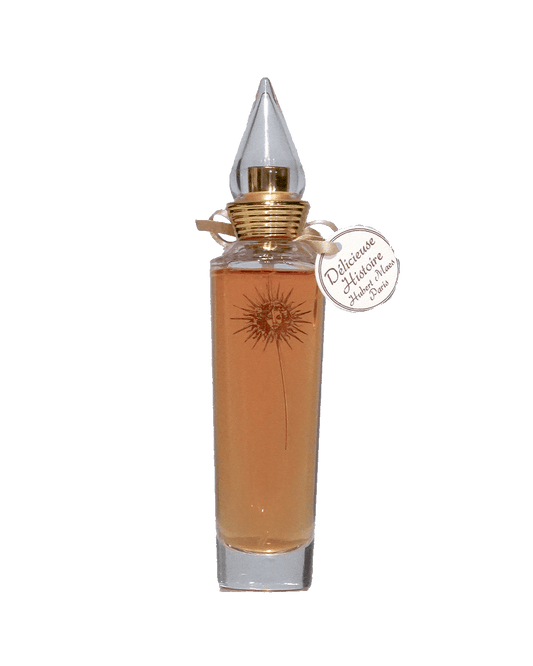
50 ml · 1,82 €/ml
Délicieuse Histoire HUBERT MAES CRÉATIONS -
Regular priceFrom 162,00 €Regular priceSale priceFrom 162,00 €Unit priceper
Vanilla, Woody
50 ml · 3,24 €/ml
Un bois vanille SERGE LUTENS -
Regular price255,00 €Regular priceSale price255,00 €Unit priceper
Fruity, Oriental
75 ml · 3,40 €/ml
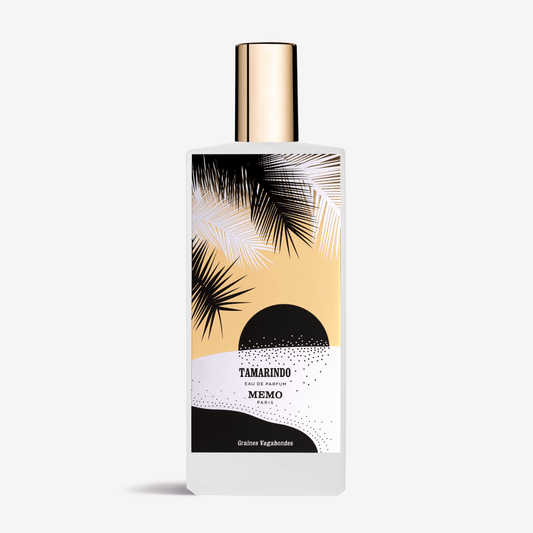
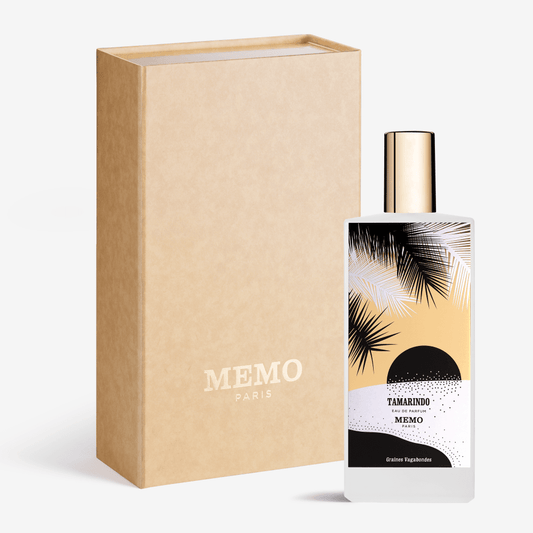
Tamarindo MEMO -
Regular priceFrom 110,00 €Regular priceSale priceFrom 110,00 €Unit priceper
Floral, Gourmand
30 ml · 3,67 €/ml
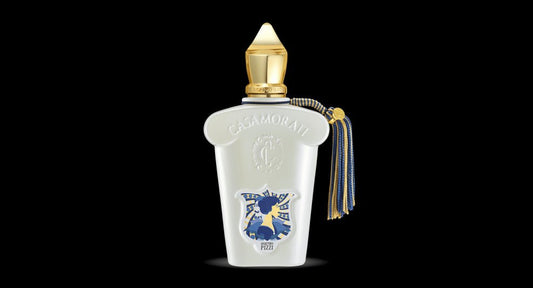
Quattro Pizzi CASAMORATI -
Regular price140,00 €Regular priceSale price140,00 €Unit priceper
Green, Woody
100 ml · 1,40 €/ml
Ricordami GIARDINI DI TOSCANA -
Regular price49,00 €Regular priceSale price49,00 €Unit priceper
200 ml · 0,25 €/ml
Diffuseur – Biancofiore LABORATORIO OLFATTIVO -
Regular priceFrom 220,00 €Regular priceSale priceFrom 220,00 €Unit priceper
Citrus, Floral
50 ml · 4,40 €/ml
Virgin Island Water CREED











24 of 29 perfumes
Your fragrance profile
Not sure which fragrance is for you?
Answer a few questions on the scents you love and those you avoid: we suggest the fragrances that suit you, in this house and beyond.


The story