
Note olfactive
Patchouli Perfume – damp earth, cocoa and wood
A must of modern perfumery, patchouli oscillates between damp earth, dark cocoa and balmy wood. Rehabilitated by the great contemporary noses, it is the backbone of the most captivating chypres, orientals and florientals. Fragrances where… Read the story
4.8/5 · 247 verified customer reviews
All Patchouli Perfume products
-
Regular price30,00 €Regular priceSale price30,00 €Unit priceper
Woody, Fruity, Oriental
5 ml · 6,00 €/ml
Oud Maracujá Extrait MAISON CRIVELLI -
Regular price235,00 €Regular priceSale price235,00 €Unit priceper
Woody, Fruity
50 ml · 4,70 €/ml
Aventus CREED -
Regular priceFrom 25,00 €Regular priceSale priceFrom 25,00 €Unit priceper
Leathery, Gourmand, Fruity
5 ml · 5,00 €/ml
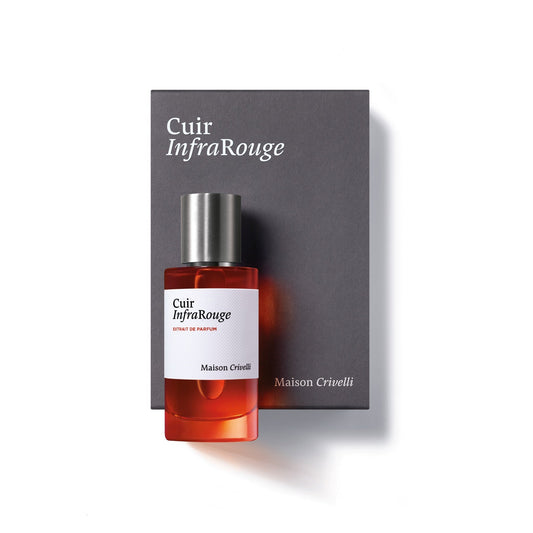
Cuir InfraRouge Extrait MAISON CRIVELLI -
Regular price280,00 €Regular priceSale price280,00 €Unit priceper
Oriental, Floral
100 ml · 2,80 €/ml
Gozo JEROBOAM -
Regular price280,00 €Regular priceSale price280,00 €Unit priceper
Woody, Chypre
100 ml · 2,80 €/ml
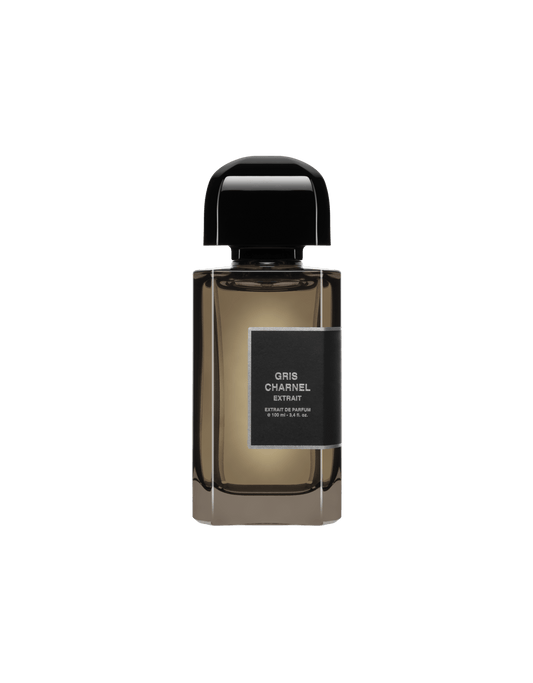
Gris Charnel Extrait BDK PARFUMS -
Regular price270,00 €Regular priceSale price270,00 €Unit priceper
Woody, Citrus
50 ml · 5,40 €/ml
Absolu Aventus CREED -
Regular priceFrom 64,00 €Regular priceSale priceFrom 64,00 €Unit priceper
Amber, Fruity
10 ml · 6,40 €/ml
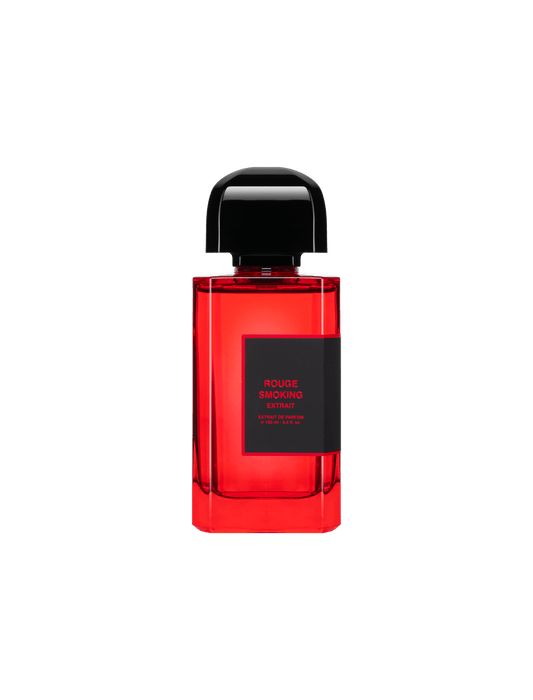
Rouge Smoking Extrait BDK PARFUMS -
Regular priceFrom 48,00 €Regular priceSale priceFrom 48,00 €Unit priceper
Floral, Amber, Woody
10 ml · 4,80 €/ml
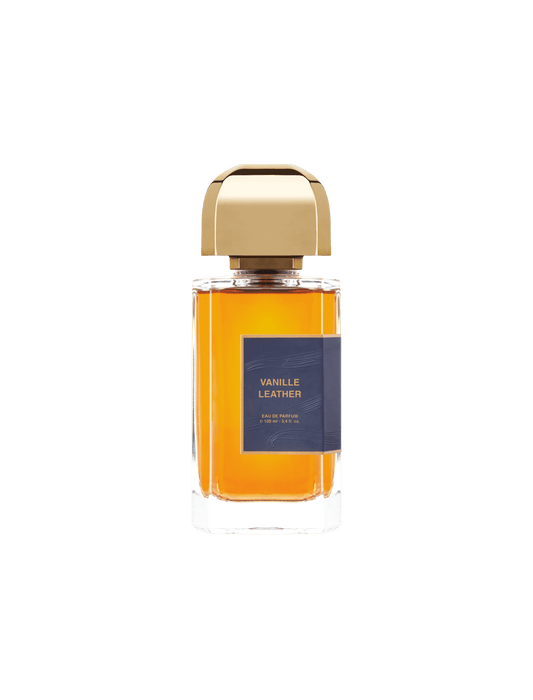
Vanille Leather BDK PARFUMS -
Regular priceFrom 42,00 €Regular priceSale priceFrom 42,00 €Unit priceper
Aromatic, Aquatic
15 ml · 2,80 €/ml
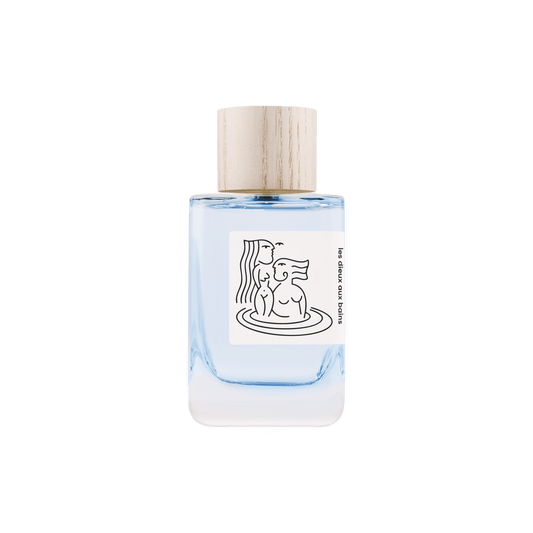
Les dieux aux bains HELLENIST -
Regular priceFrom 24,00 €Regular priceSale priceFrom 24,00 €Unit priceper
Amber, Woody
10 ml · 2,40 €/ml
Divine Vanille ESSENTIAL PARFUMS -
Regular priceFrom 48,00 €Regular priceSale priceFrom 48,00 €Unit priceper
Floral, Aldehydic, Spicy
10 ml · 4,80 €/ml
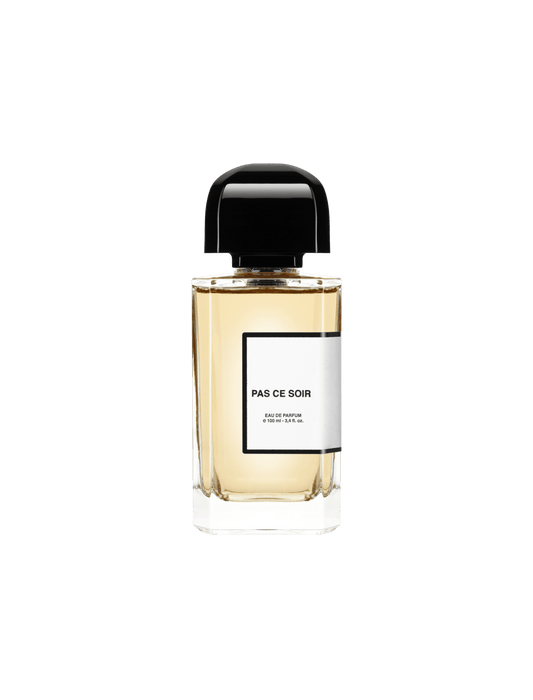
Pas ce Soir BDK PARFUMS -
Regular price49,00 €Regular priceSale price49,00 €Unit priceper
Oriental, Spicy, Amber
15 ml · 3,27 €/ml
OUD CANNELLE LA CLOSERIE DES PARFUMS -
Regular price200,00 €Regular priceSale price200,00 €Unit priceper
Amber, Aromatic, Woody
100 ml · 2,00 €/ml
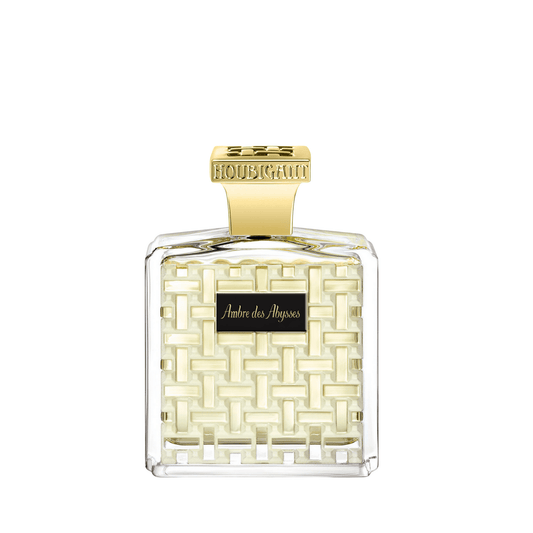
Ambre des Abysses HOUBIGANT -
Regular price240,00 €Regular priceSale price240,00 €Unit priceper
Floral, Fruity
100 ml · 2,40 €/ml
Pink Me Up ATELIER DES ORS -
Regular priceFrom 45,00 €Regular priceSale priceFrom 45,00 €Unit priceper
Fruity, Woody, Spicy
15 ml · 3,00 €/ml
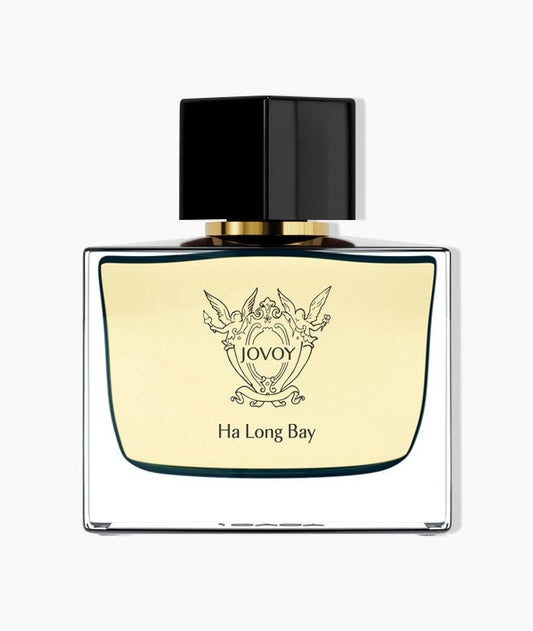
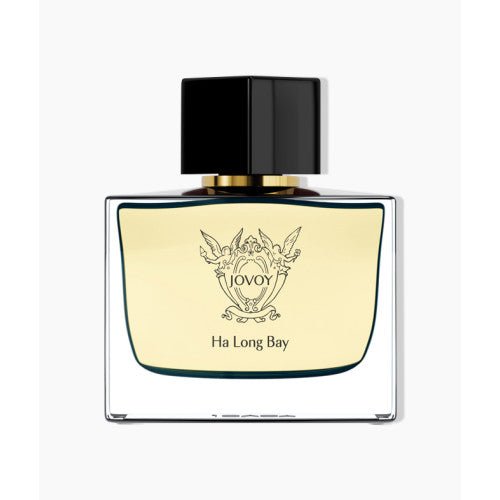
Ha Long Bay JOVOY PARFUMS -
Regular price48,00 €Regular priceSale price48,00 €Unit priceper
Floral, Woody, Oriental
10 ml · 4,80 €/ml
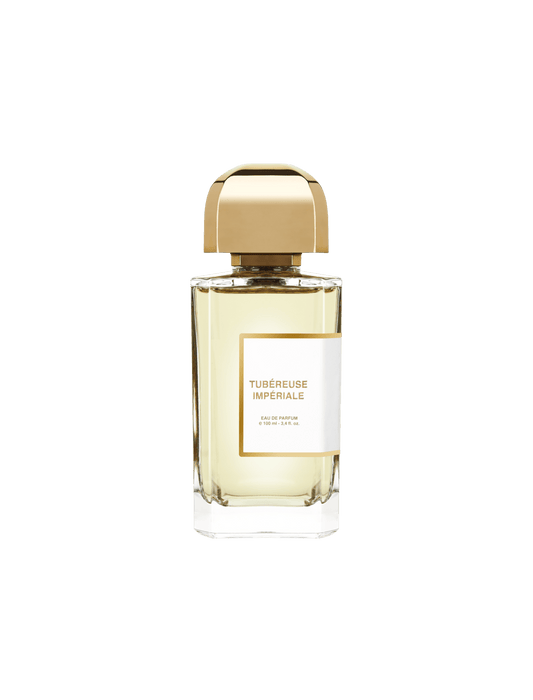
Tubéreuse Impériale BDK PARFUMS -
Regular priceFrom 160,00 €Regular priceSale priceFrom 160,00 €Unit priceper
Fruity, Spicy, Oriental
50 ml · 3,20 €/ml
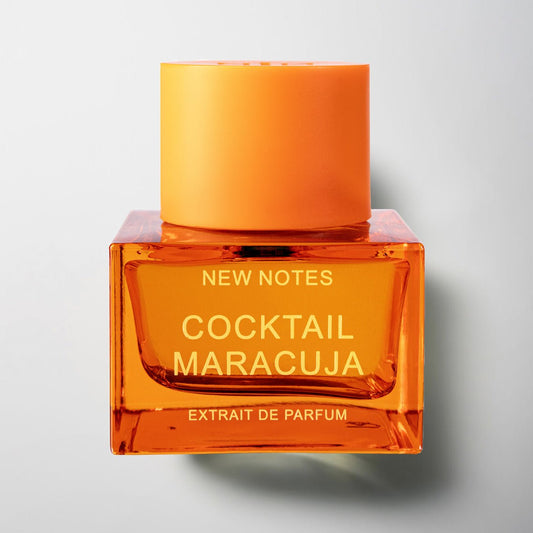
Cocktail Maracuja NEW NOTES -
Regular priceFrom 64,00 €Regular priceSale priceFrom 64,00 €Unit priceper
Chypre, Floral
10 ml · 6,40 €/ml
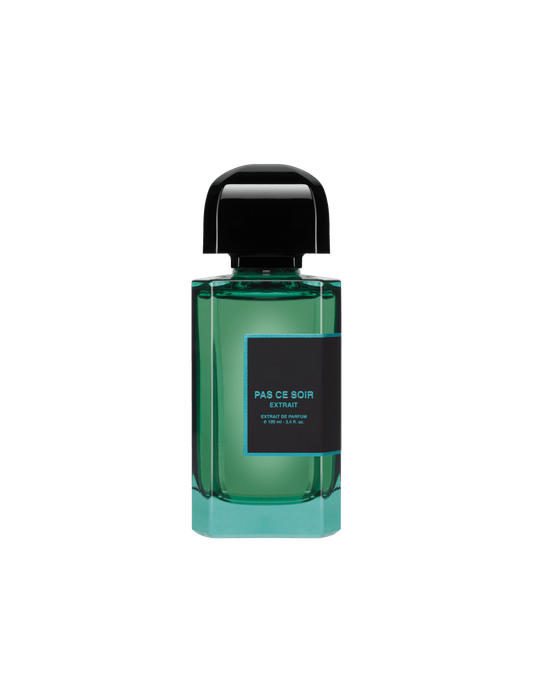
Pas ce Soir Extrait BDK PARFUMS -
Regular priceFrom 170,00 €Regular priceSale priceFrom 170,00 €Unit priceper
Floral, Spicy, Aromatic
50 ml · 3,40 €/ml
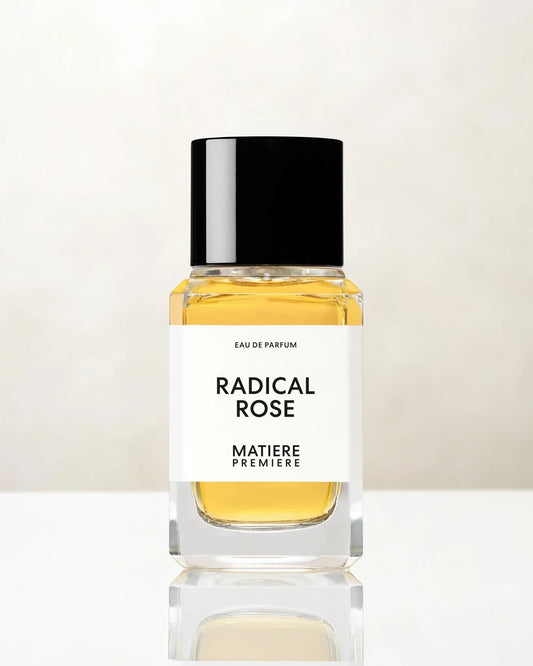
RADICAL ROSE MATIERE PREMIERE -
Regular priceFrom 24,00 €Regular priceSale priceFrom 24,00 €Unit priceper
Woody, Spicy
100 ml · 0,94 €/ml
Bois Impérial ESSENTIAL PARFUMS -
Regular price180,00 €Regular priceSale price180,00 €Unit priceper
Woody, Aromatic
100 ml · 1,80 €/ml
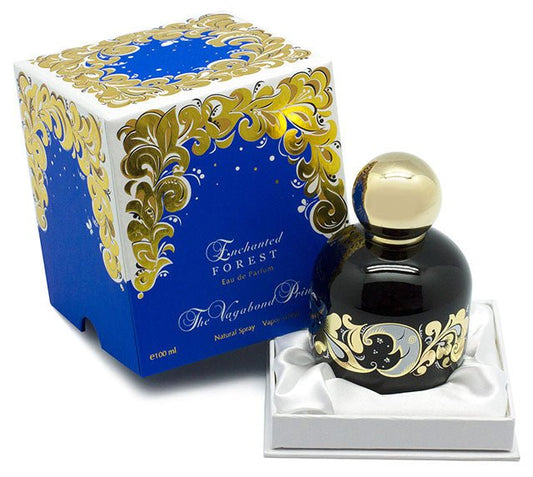
Enchanted Forest THE VAGABOND PRINCE -
Regular priceFrom 30,00 €Regular priceSale priceFrom 30,00 €Unit priceper
Woody, Oriental, Leathery
50 ml · 4,30 €/ml
Oud Stallion Extrait MAISON CRIVELLI -
Regular priceFrom 91,00 €Regular priceSale priceFrom 91,00 €Unit priceper
Chypre, Leathery
125 ml · 0,73 €/ml
KNIZE TEN KNIZE TEN -
Regular priceFrom 220,00 €Regular priceSale priceFrom 220,00 €Unit priceper
Woody, Spicy
50 ml · 4,40 €/ml
Bois du Portugal CREED
















24 of 301 products
Your fragrance profile
Not sure which fragrance is for you?
Answer a few questions on the scents you love and those you avoid: we suggest the fragrances that suit you, in this house and beyond.


The story