
Note olfactive
Ylang-Ylang Perfume – creamy, exotic and intense floral
A tropical flower nicknamed the flower of flowers, ylang-ylang unfurls a creamy floral richness, slightly camphorous and exotic, of striking intensity. A key note of the great oriental florals since Chanel No. 5, it brings… Read the story
4.6/5 · 37 verified customer reviews
All Ylang-Ylang Perfume products
-
Regular price24,00 €Regular priceSale price24,00 €Unit priceper
Citrus, Floral
10 ml · 2,40 €/ml
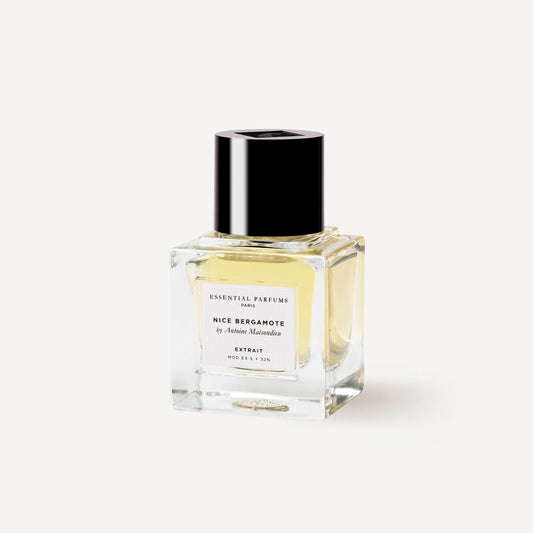
Nice Bergamote ESSENTIAL PARFUMS -
Regular priceFrom 42,00 €Regular priceSale priceFrom 42,00 €Unit priceper
Floral, Musky
15 ml · 2,80 €/ml
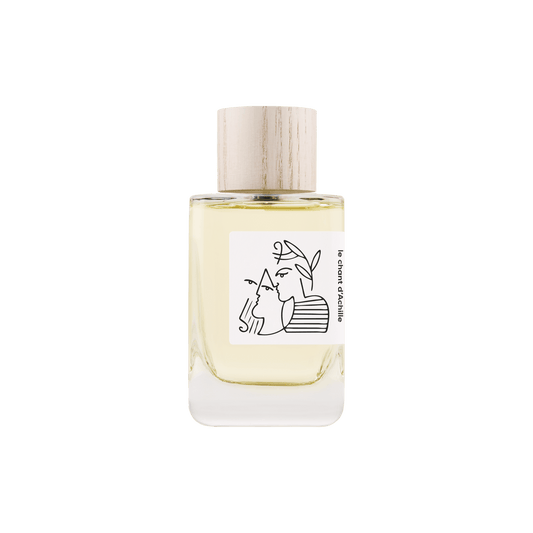
Le chant d’Achille HELLENIST -
Regular price48,00 €Regular priceSale price48,00 €Unit priceper
Floral, Woody, Oriental
10 ml · 4,80 €/ml
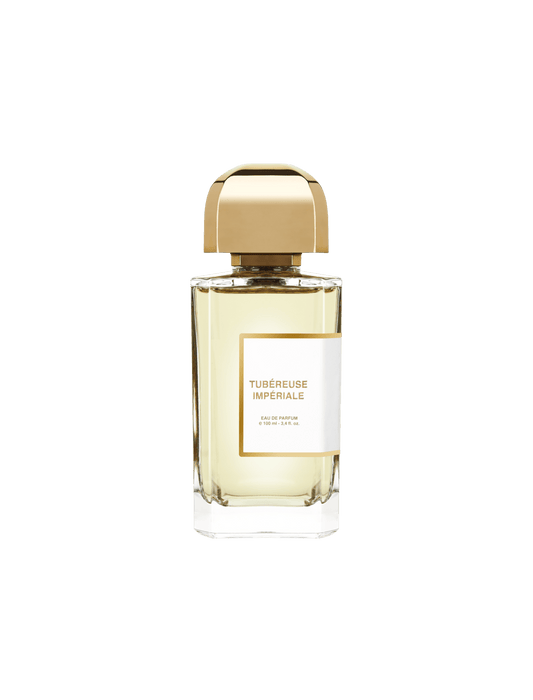
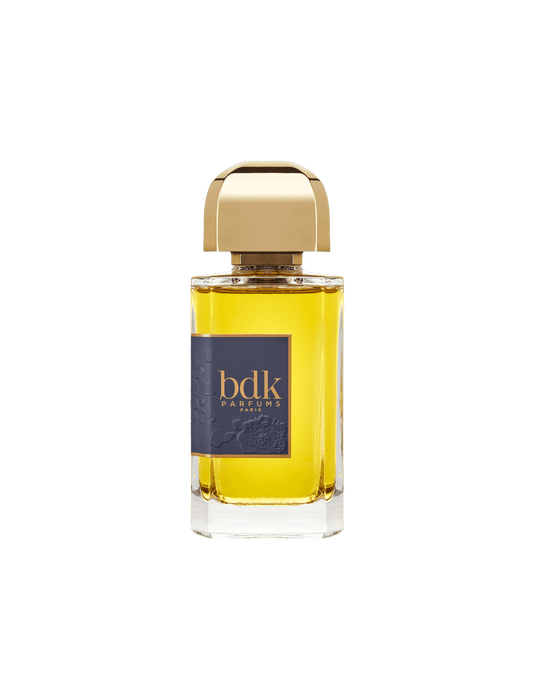
Tubéreuse Impériale BDK PARFUMS -
Regular price91,00 €Regular priceSale price91,00 €Unit priceper
Chypre, Floral
50 ml · 1,82 €/ml
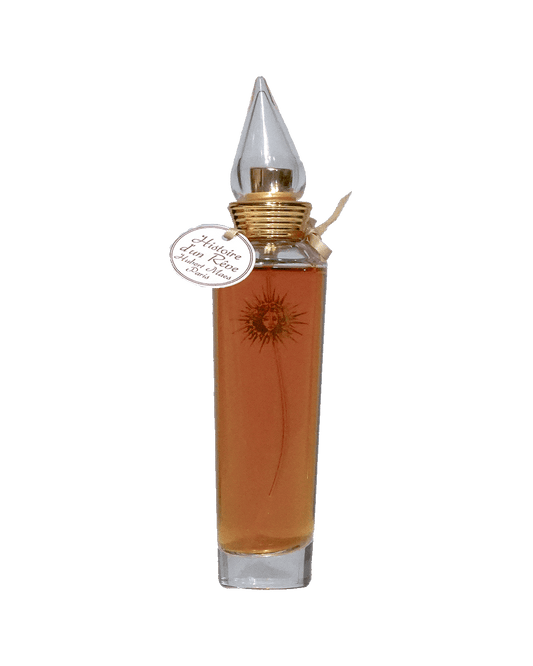
Histoire d'un Rêve HUBERT MAES CRÉATIONS -
Regular priceFrom 230,00 €Regular priceSale priceFrom 230,00 €Unit priceper
Amber, Floral
50 ml · 4,60 €/ml
Lift Me Up Extrait INITIO -
Regular price140,00 €Regular priceSale price140,00 €Unit priceper
Vanilla, Floral, Gourmand
100 ml · 1,40 €/ml
Bora Bora GIARDINI DI TOSCANA -
Regular price98,00 €Regular priceSale price98,00 €Unit priceper
Floral, Musky, Woody
Kit Découverte - Voyage 3x15ml « Les lumières » HELLENIST -
Regular priceFrom 85,00 €Regular priceSale priceFrom 85,00 €Unit priceper
Floral, Woody, Powdery
30 ml · 2,83 €/ml
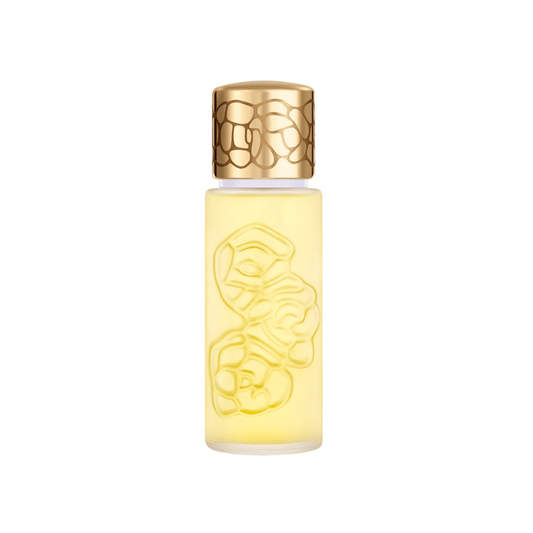
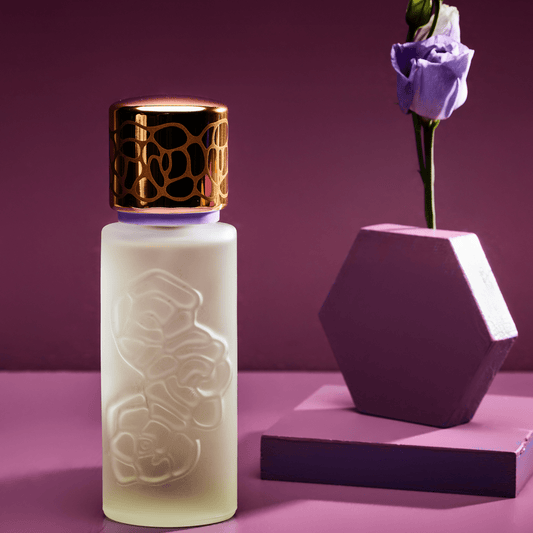
Quelques Fleurs L'Original HOUBIGANT -
Regular price98,00 €Regular priceSale price98,00 €Unit priceper
Citrus, Gourmand
30 ml · 3,27 €/ml
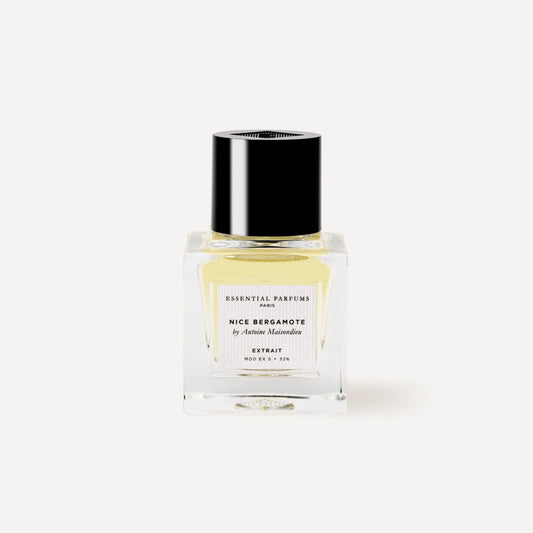
Nice Bergamote - Extrait de Parfum ESSENTIAL PARFUMS -
Regular price180,00 €Regular priceSale price180,00 €Unit priceper
Amber, Woody, Gourmand
50 ml · 3,60 €/ml
Or du Sérail NAOMI GOODSIR -
Regular priceFrom 130,00 €Regular priceSale priceFrom 130,00 €Unit priceper
Floral, Vanilla, Woody
30 ml · 4,33 €/ml
Cap Camarat MEMO -
Regular priceFrom 90,00 €Regular priceSale priceFrom 90,00 €Unit priceper
Woody, Spicy, Citrus
30 ml · 3,00 €/ml
Santal Volcanique MAISON CRIVELLI -
Regular price140,00 €Regular priceSale price140,00 €Unit priceper
Floral, Gourmand
75 ml · 1,87 €/ml
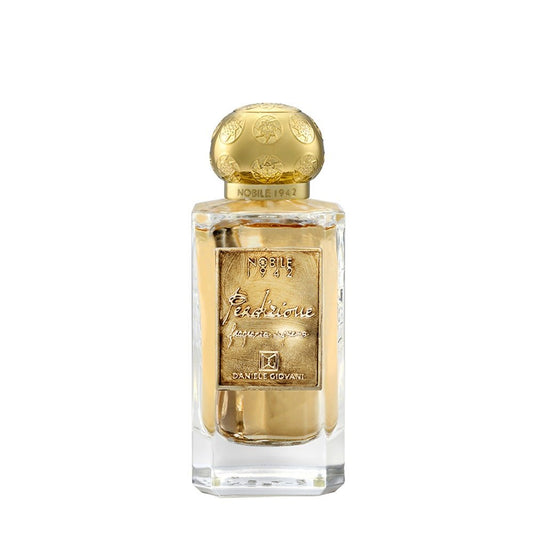
Perdizione NOBILE 1942 -
Regular price265,00 €Regular priceSale price265,00 €Unit priceper
Gourmand, Fruity
50 ml · 5,30 €/ml
Soleil de Jeddah Mango Kiss STEPHANE HUMBERT LUCAS -
Regular price91,00 €Regular priceSale price91,00 €Unit priceper
Fruity, Floral, Oriental
50 ml · 1,82 €/ml
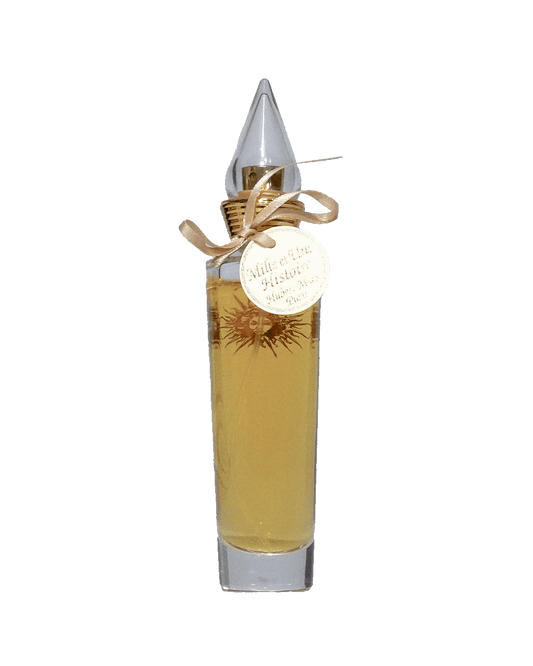
Mille et une Histoire HUBERT MAES CRÉATIONS -
Regular priceFrom 84,00 €Regular priceSale priceFrom 84,00 €Unit priceper
Floral, Powdery
50 ml · 1,68 €/ml
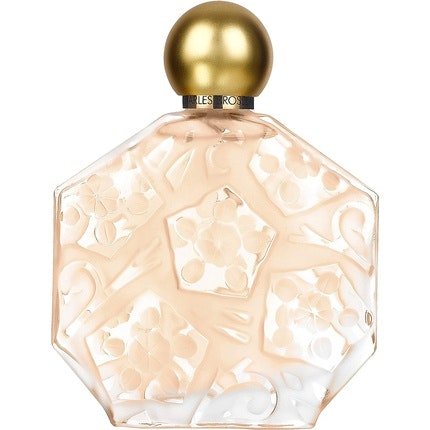
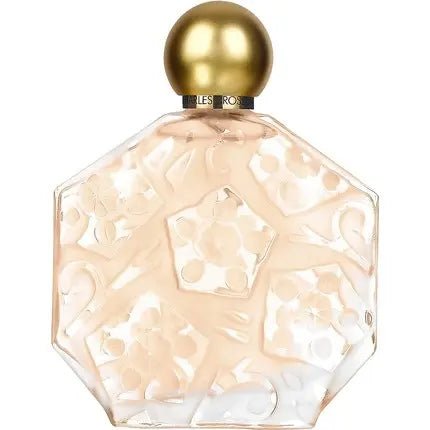
Ombre Rose L'Original JEAN CHARLES BROSSEAU -
Regular priceFrom 38,00 €Regular priceSale priceFrom 38,00 €Unit priceper
Floral, Citrus
6 ml · 6,33 €/ml
NEROLI ORANGER MATIERE PREMIERE -
Regular price160,00 €Regular priceSale price160,00 €Unit priceper
Floral, Powdery
50 ml · 3,20 €/ml
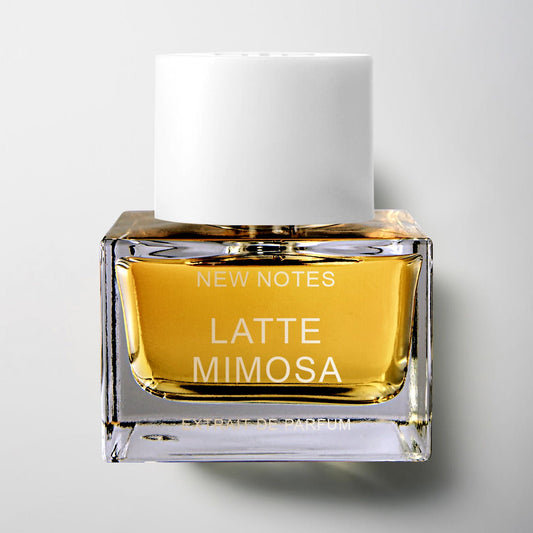
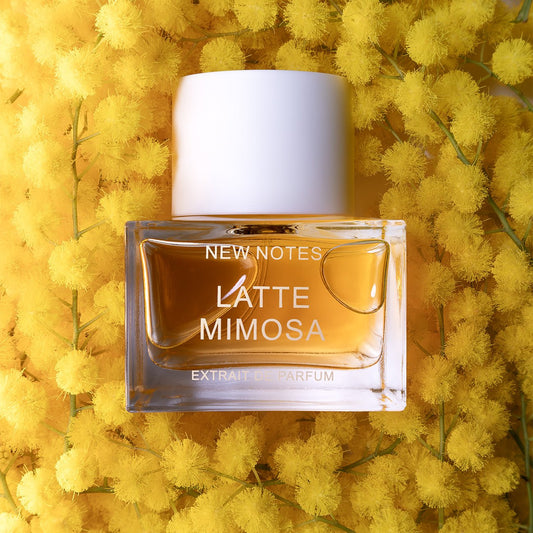
Latte Mimosa NEW NOTES -
Regular priceFrom 100,00 €Regular priceSale priceFrom 100,00 €Unit priceper
Floral, Woody, Musky
30 ml · 3,33 €/ml
Unue JEROBOAM -
Regular priceFrom 48,00 €Regular priceSale priceFrom 48,00 €Unit priceper
Chypre, Floral
10 ml · 4,80 €/ml
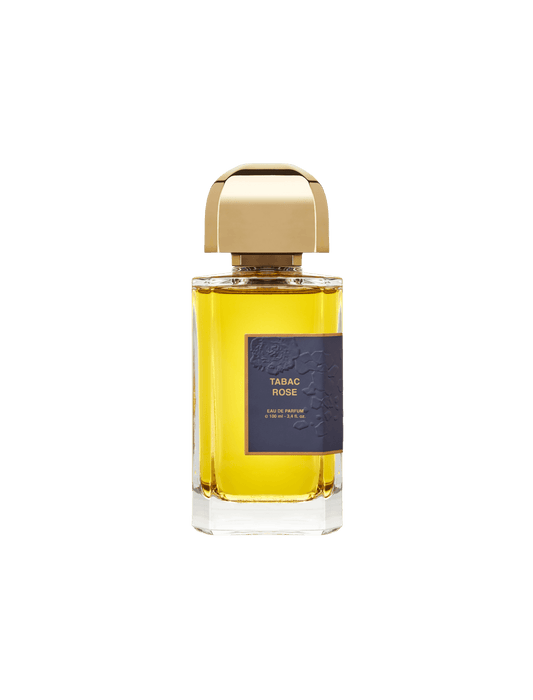
Tabac Rose BDK PARFUMS -
Regular price120,00 €Regular priceSale price120,00 €Unit priceper
Floral, Oriental, Powdery
75 ml · 1,60 €/ml
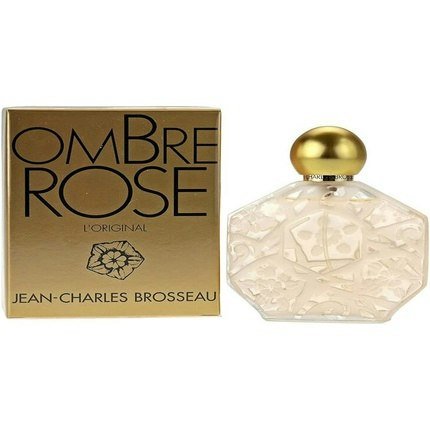
Ombre Rose L'Original - Eau de Parfum JEAN CHARLES BROSSEAU -
Regular priceFrom 120,00 €Regular priceSale priceFrom 120,00 €Unit priceper
Vanilla, Gourmand
50 ml · 2,40 €/ml
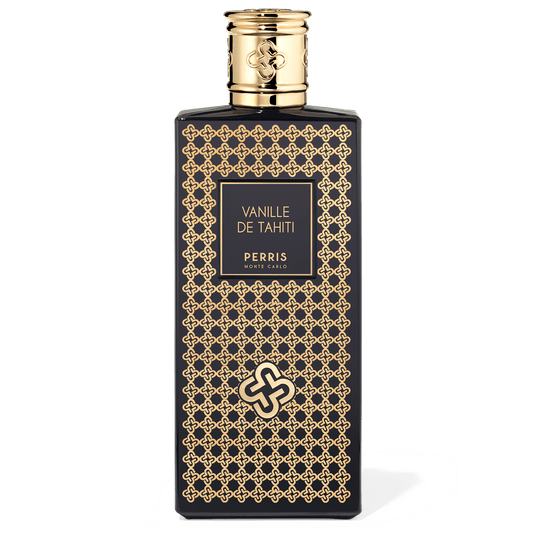
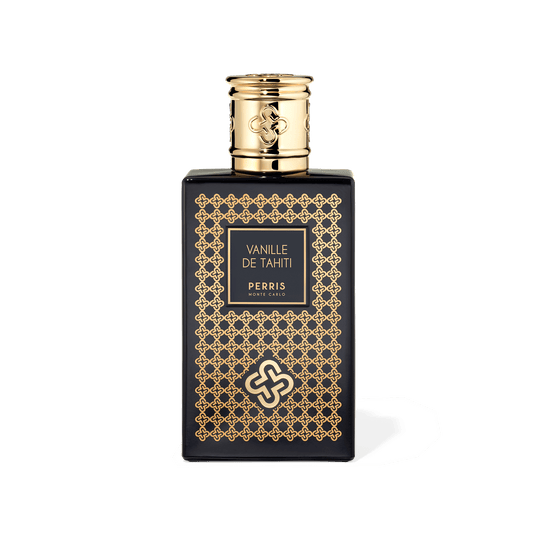
Vanille de Tahiti PERRIS MONTE CARLO -
Regular priceFrom 160,00 €Regular priceSale priceFrom 160,00 €Unit priceper
Fruity, Gourmand, Floral
50 ml · 3,20 €/ml
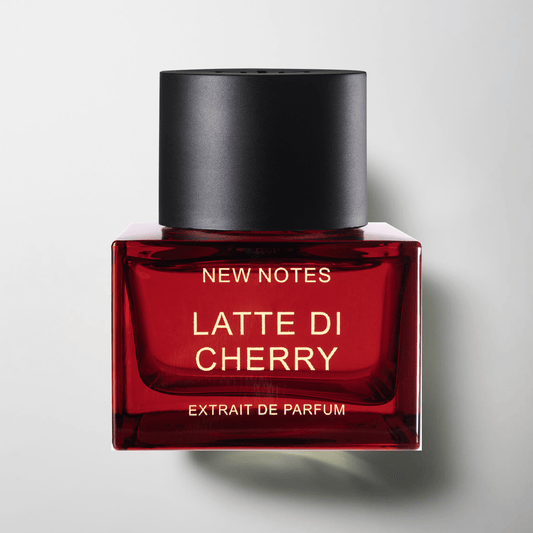
Latte di Cherry NEW NOTES -
Regular priceFrom 210,00 €Regular priceSale priceFrom 210,00 €Unit priceper
Floral, Oriental
50 ml · 4,20 €/ml
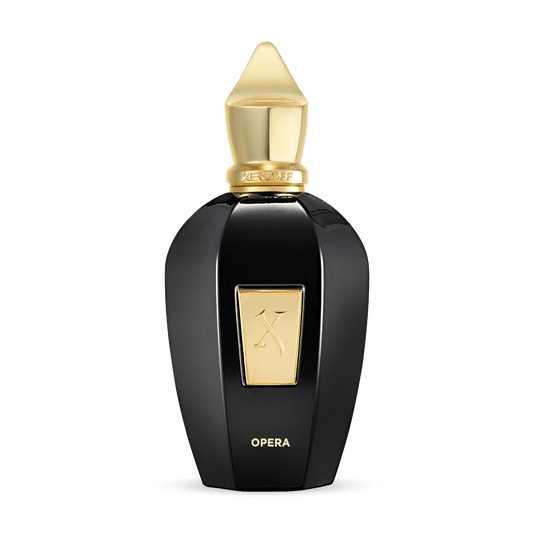
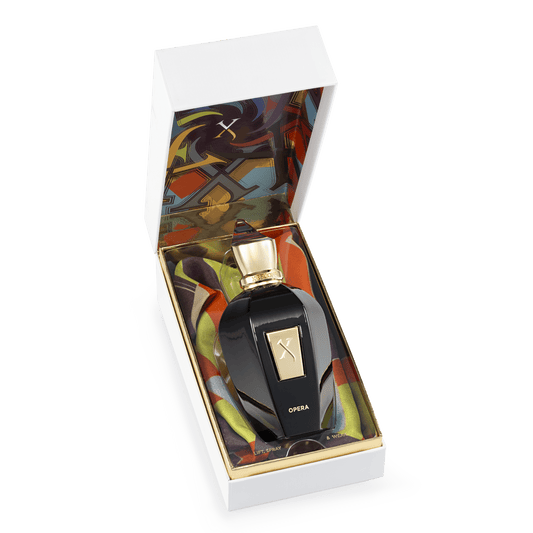
Opera XERJOFF












24 of 97 products
Your fragrance profile
Not sure which fragrance is for you?
Answer a few questions on the scents you love and those you avoid: we suggest the fragrances that suit you, in this house and beyond.


The story