
Note olfactive
Sandalwood Perfume – creamy, milky and sacred wood
A sacred wood with millennia-old origins, Mysore sandalwood unfurls a creamy, milky smoothness unrivalled in perfumery. Its soft, slightly sweet and smoky warmth makes it the perfect binder of the great oriental and woody compositions.… Read the story
4.8/5 · 163 verified customer reviews
All Sandalwood Perfume products
-
Regular priceFrom 48,00 €Regular priceSale priceFrom 48,00 €Unit priceper
Floral, Gourmand, Woody
10 ml · 4,80 €/ml
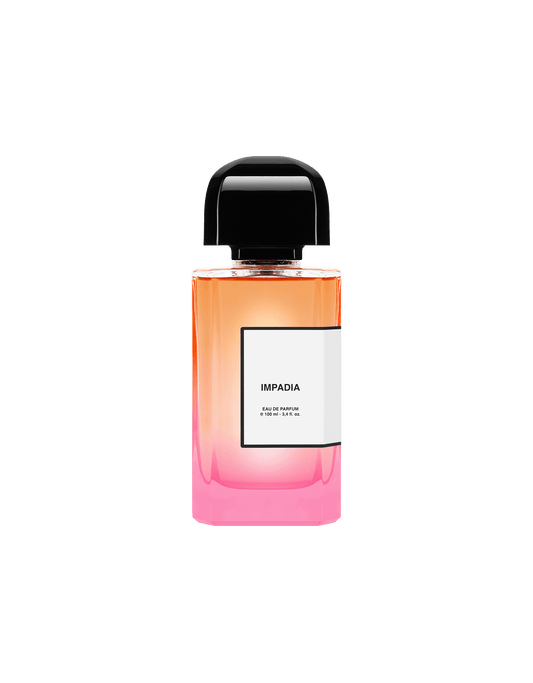
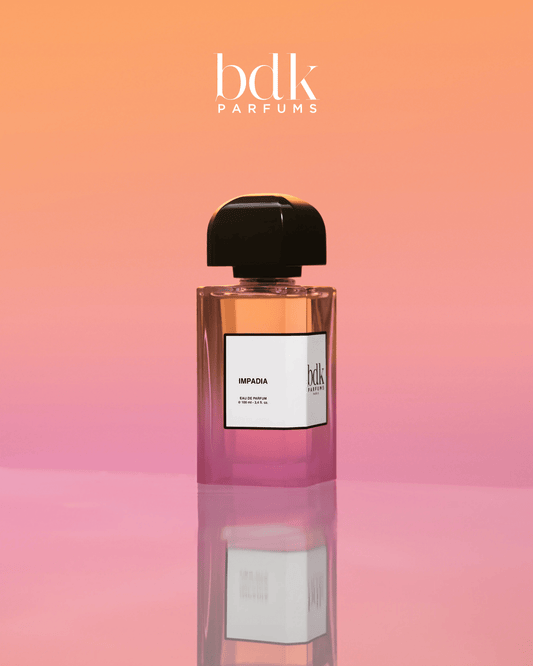
Impadia BDK PARFUMS -
Regular priceFrom 48,00 €Regular priceSale priceFrom 48,00 €Unit priceper
Woody, Oriental
10 ml · 4,80 €/ml
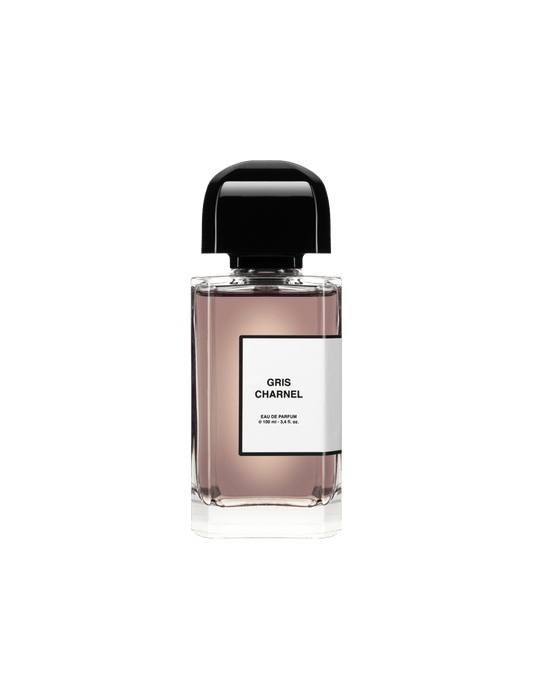
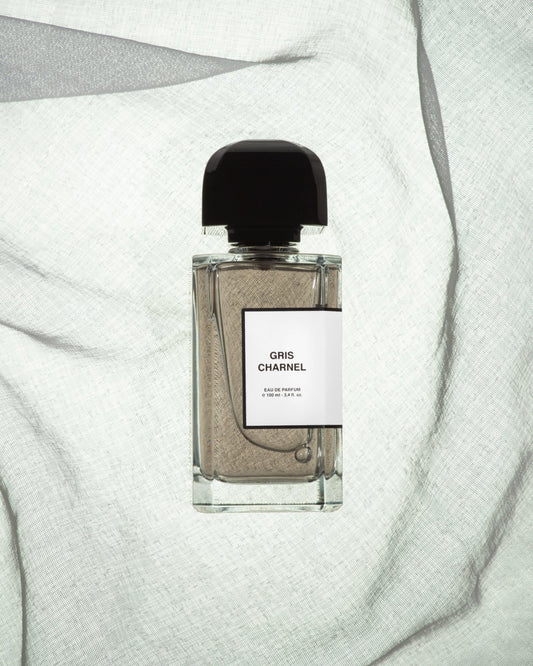
Gris Charnel BDK PARFUMS -
Regular price94,00 €Regular priceSale price94,00 €Unit priceper
Floral, Musky
100 ml · 0,94 €/ml
The Musc ESSENTIAL PARFUMS -
Regular price280,00 €Regular priceSale price280,00 €Unit priceper
Woody, Chypre
100 ml · 2,80 €/ml
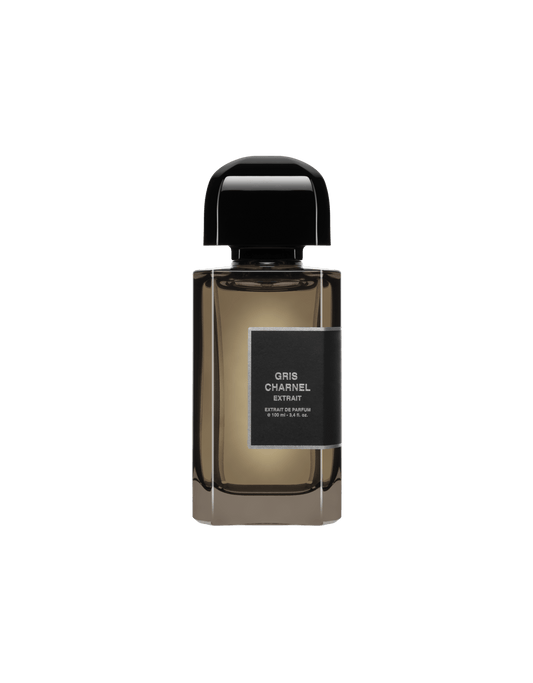
Gris Charnel Extrait BDK PARFUMS -
Regular priceFrom 4,00 €Regular priceSale priceFrom 4,00 €Unit priceper
Woody, Gourmand
2 ml · 2,00 €/ml
MILKY NO WAY FASCENT -
Regular priceFrom 24,00 €Regular priceSale priceFrom 24,00 €Unit priceper
Floral, Spicy
10 ml · 2,40 €/ml
Néroli Botanica ESSENTIAL PARFUMS -
Regular priceFrom 24,00 €Regular priceSale priceFrom 24,00 €Unit priceper
Woody, Musky
10 ml · 2,40 €/ml
Fig Infusion ESSENTIAL PARFUMS -
Regular price98,00 €Regular priceSale price98,00 €Unit priceper
Floral, Fruity
100 ml · 0,98 €/ml
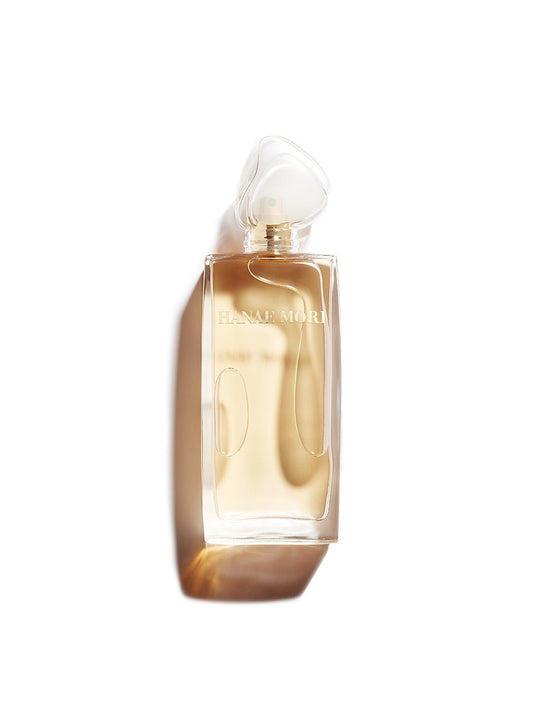
Butterfly - Eau de Toilette HANAE MORI -
Regular price49,00 €Regular priceSale price49,00 €Unit priceper
Oriental, Spicy, Amber
15 ml · 3,27 €/ml
OUD CANNELLE LA CLOSERIE DES PARFUMS -
Regular price220,00 €Regular priceSale price220,00 €Unit priceper
Musky, Fruity
100 ml · 2,20 €/ml
Orencie CHAMBRE52 -
Regular price98,00 €Regular priceSale price98,00 €Unit priceper
Floral, Fruity
50 ml · 1,96 €/ml
Butterfly HANAE MORI -
Regular priceFrom 220,00 €Regular priceSale priceFrom 220,00 €Unit priceper
Fougère, Floral
50 ml · 4,40 €/ml
Iris Debonair CREED -
Regular priceFrom 42,00 €Regular priceSale priceFrom 42,00 €Unit priceper
Floral, Woody
15 ml · 2,80 €/ml
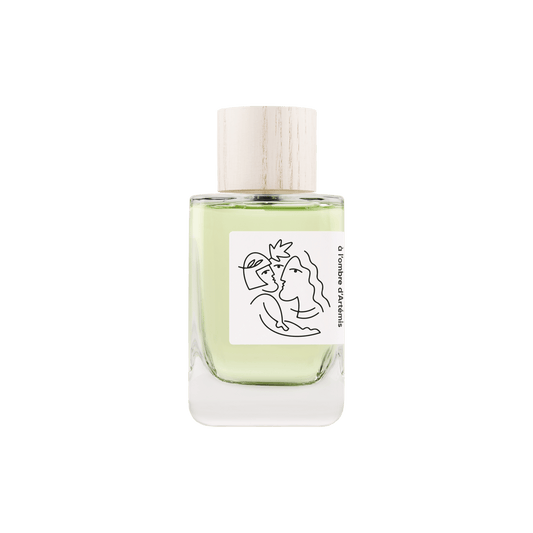
À l’ombre d’Artémis HELLENIST -
Regular price94,00 €Regular priceSale price94,00 €Unit priceper
Citrus, Woody
100 ml · 0,94 €/ml
Orange X Santal ESSENTIAL PARFUMS -
Regular priceFrom 220,00 €Regular priceSale priceFrom 220,00 €Unit priceper
Woody, Aromatic
50 ml · 4,40 €/ml
Green Irish Tweed CREED -
Regular price48,00 €Regular priceSale price48,00 €Unit priceper
Floral, Woody, Oriental
10 ml · 4,80 €/ml
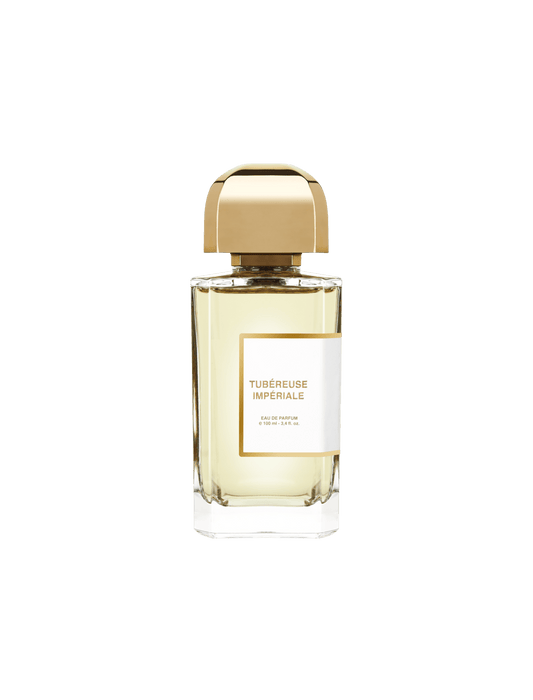
Tubéreuse Impériale BDK PARFUMS -
Regular priceFrom 52,00 €Regular priceSale priceFrom 52,00 €Unit priceper
Aromatic, Woody
50 ml · 1,04 €/ml
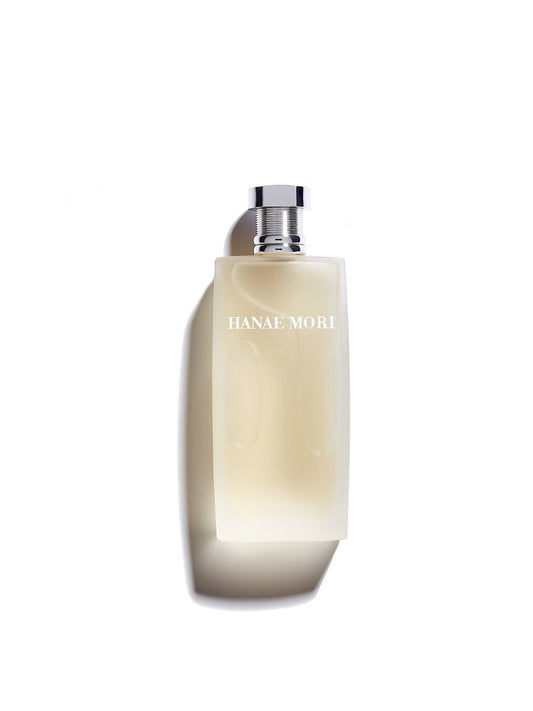
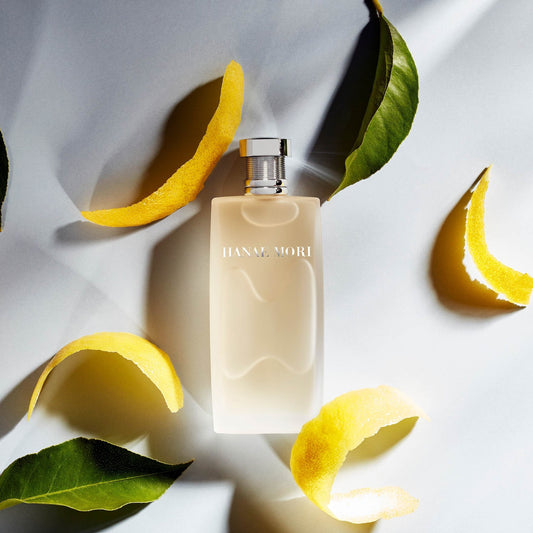
HM - Eau de Toilette HANAE MORI -
Regular priceFrom 220,00 €Regular priceSale priceFrom 220,00 €Unit priceper
Aromatic, Citrus
50 ml · 4,40 €/ml
Silver Mountain Water CREED -
Regular priceFrom 220,00 €Regular priceSale priceFrom 220,00 €Unit priceper
Oriental
50 ml · 4,40 €/ml
Side Effect INITIO -
Regular priceFrom 91,00 €Regular priceSale priceFrom 91,00 €Unit priceper
Chypre, Leathery
125 ml · 0,73 €/ml
KNIZE TEN KNIZE TEN -
Regular priceFrom 160,00 €Regular priceSale priceFrom 160,00 €Unit priceper
Fruity, Gourmand, Floral
50 ml · 3,20 €/ml
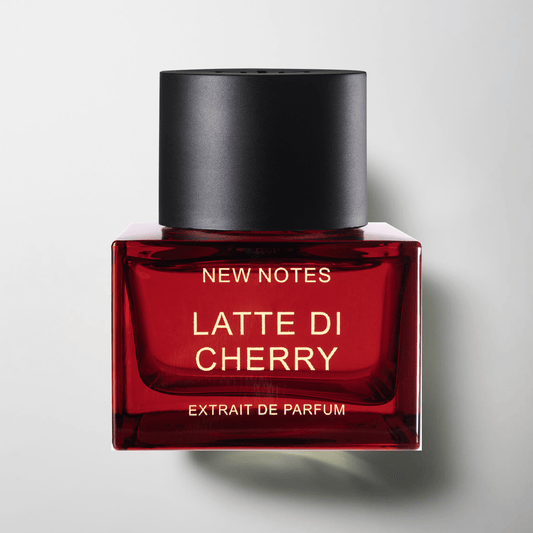
Latte di Cherry NEW NOTES -
Regular priceFrom 98,00 €Regular priceSale priceFrom 98,00 €Unit priceper
Gourmand, Vanilla
100 ml · 2,50 €/ml
Vanitas PROFUMUM ROMA -
Regular priceFrom 230,00 €Regular priceSale priceFrom 230,00 €Unit priceper
Woody, Gourmand, Amber
50 ml · 4,60 €/ml
Stellar Silk BDK PARFUMS -
Regular price170,00 €Regular priceSale price170,00 €Unit priceper
Fruity, Gourmand
50 ml · 3,40 €/ml
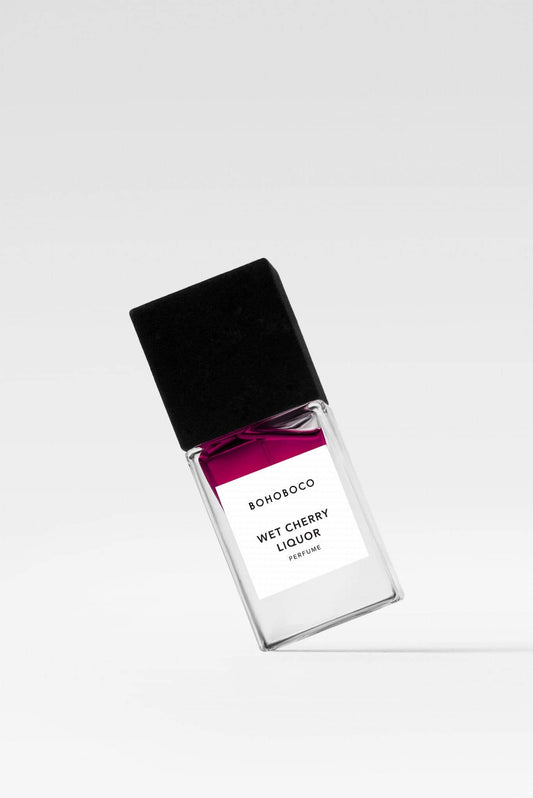
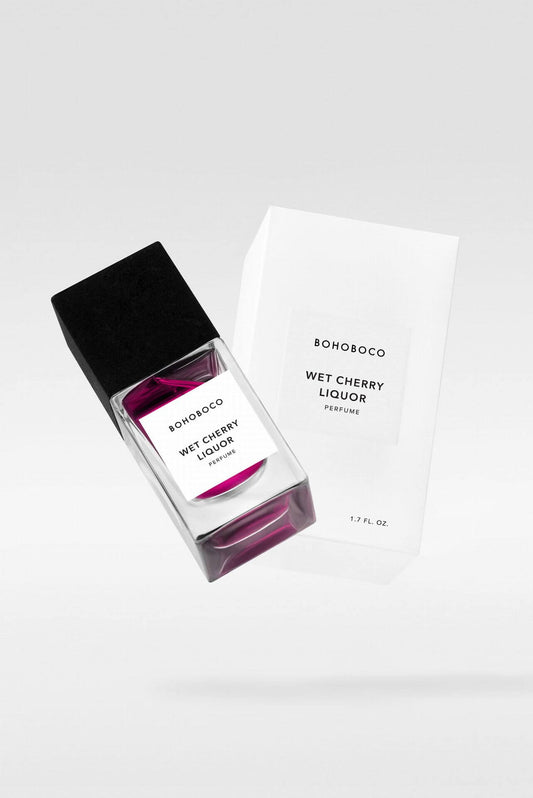
WET CHERRY • LIQUOR BOHOBOCO















24 of 310 products
Your fragrance profile
Not sure which fragrance is for you?
Answer a few questions on the scents you love and those you avoid: we suggest the fragrances that suit you, in this house and beyond.


The story