Skip to content
Language
Country/region
Search
Cart

Petitgrain Perfume — Leaf of the Orange Tree

Petitgrain is steam distilled from the leaves and young twigs of the bitter orange tree. It draws from them a green, bitter freshness quite unlike neroli, distilled from the flower of the same tree, or bitter orange oil, expressed from the peel. At Soleil d'Or it signs modern colognes, fougères and sunlit florals with a clean, precise edge.

All petitgrain perfumes

Sort by:
Best selling
Sort by:
Filter and sort Close
Sort by:
Filter by:
  • $00 Product Title 3 colors
  • $00 Product Title 3 colors
  • $00 Product Title 3 colors
  • $00 Product Title 3 colors
  • $00 Product Title 3 colors
  • $00 Product Title 3 colors
  • $00 Product Title 3 colors
  • $00 Product Title 3 colors

Petitgrain in perfumery: the bitter leaf of the orange tree

Petitgrain: one tree, three materials

Petitgrain bigarade is obtained by steam distilling the leaves and young twigs of the bitter orange tree, Citrus aurantium var. amara. Its name comes from an older practice: perfumers once distilled the small unripe fruit, no bigger than grains, before realising that the leaf gave a finer oil. The tree is generous. Its flower yields neroli, its peel yields bitter orange oil, its leaves yield petitgrain. Three materials, three scents. Production is shared between the Mediterranean basin, Italy, Tunisia, Morocco and Egypt, and Paraguay, whose petitgrain, drawn from a different orange variety, is greener and harsher.

What does petitgrain smell like?

Petitgrain opens on a bitter, clean green: crushed leaf, snapped twig, fresh bark. A light orange-floral facet follows, inherited from the same tree, drier and far less opulent than orange blossom. Behind it sits a faintly smoky, herbaceous, sometimes almost soapy note, which explains its long use in eau de Cologne and in classic citrus structures. On skin the material is volatile: it gives an immediate sense of cleanliness, then fades within one or two hours, leaving a green memory. Perfumers therefore back it with musk or woods to hold the trail.

Petitgrain perfumes at Soleil d'Or

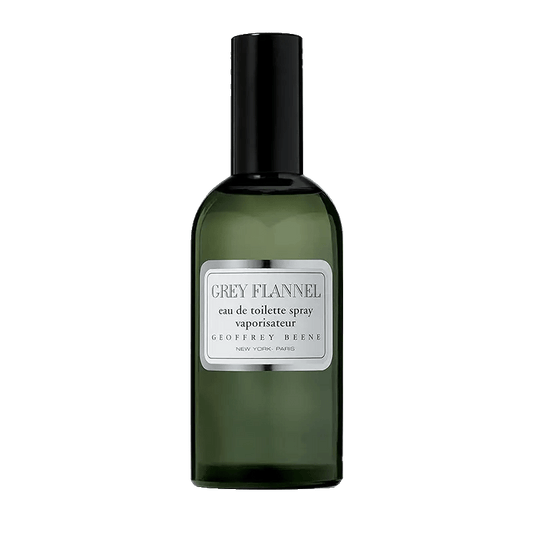
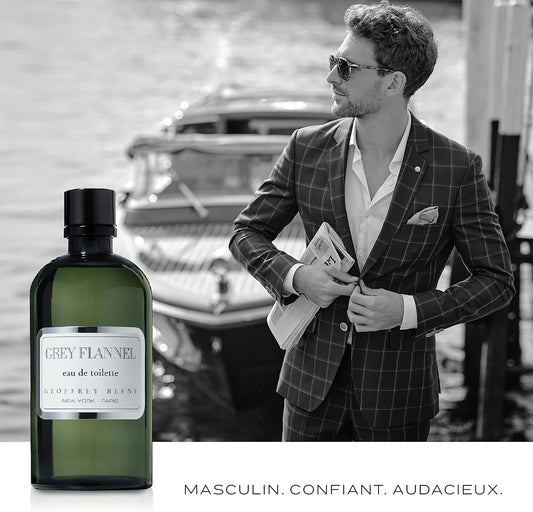
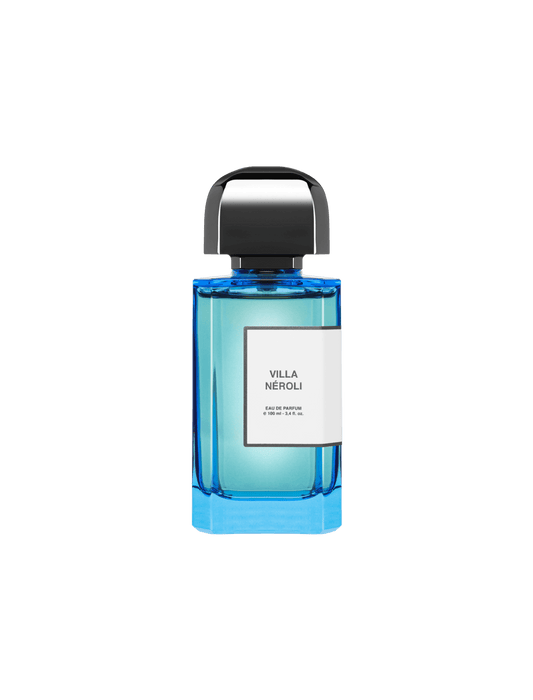
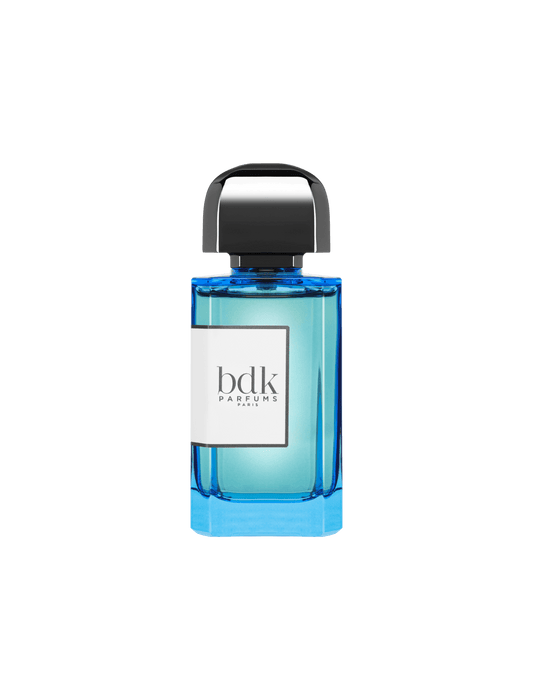
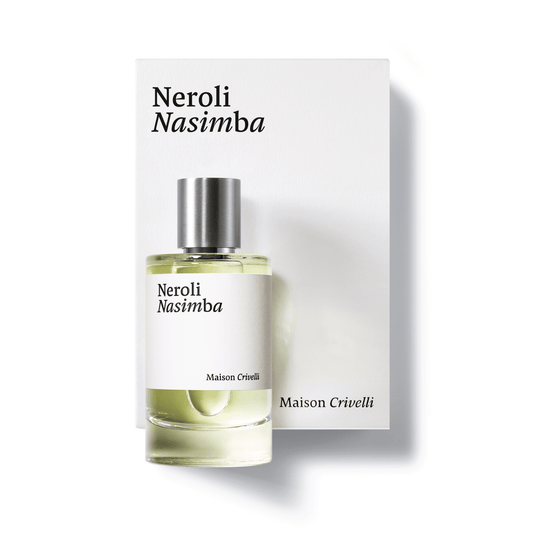
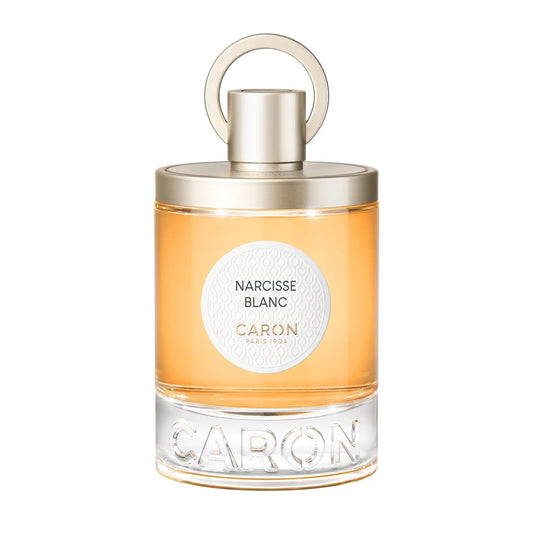
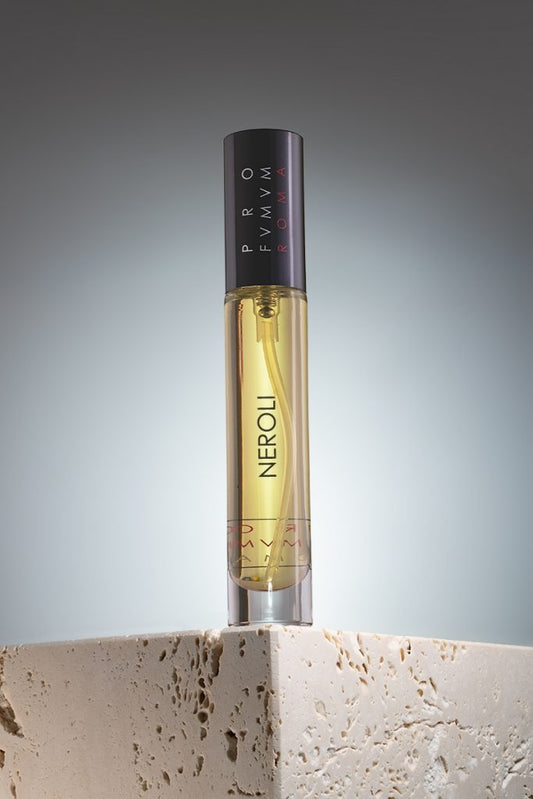
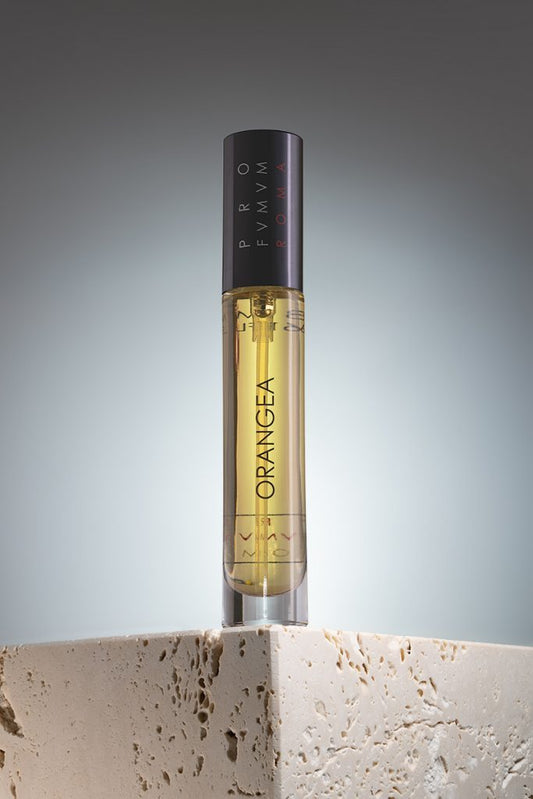
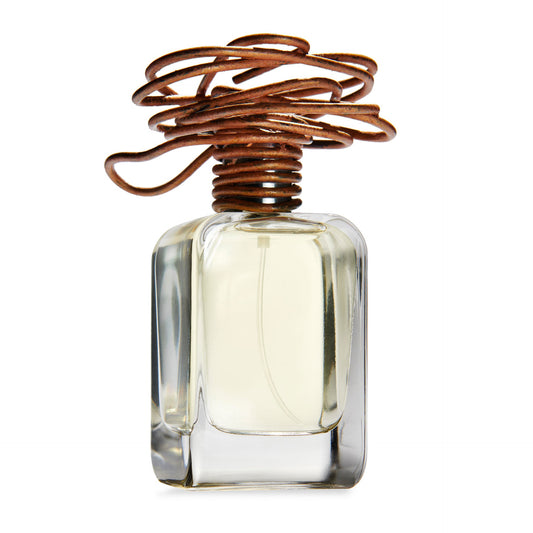
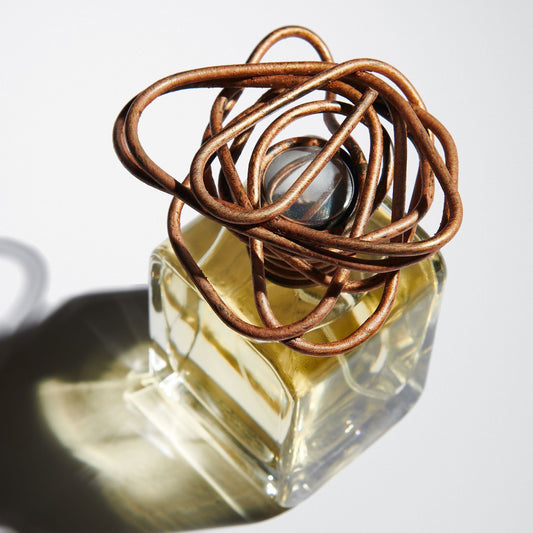
Villa Néroli by BDK Parfums plays leaf against flower: petitgrain brings the green bitterness that keeps neroli from turning sweet. At Profumum Roma, Neroli and Orangea use it to support a sunnier orange, one in a floral register, the other more zesty. Neroli Nasimba by Maison Crivelli pushes it towards leather and wood for a darker effect. Grey Flannel sets it in a powdery green very much of the 1970s, while Narcisse Blanc by Caron keeps a crisp trace of it under a powdery veil. In each case the leaf keeps the composition dry and legible.

Accords and families: where to find petitgrain

Petitgrain is one of the pillars of perfumery citrus, alongside bergamot. It agrees first with the other materials of the bitter orange tree, then with lavender and rosemary, which makes it a staple of fougère and aromatic structures. Green compositions call on its bitter leaf; sunlit florals use it for the freshness it slips under white flowers. In the base it leans on pale woods, cedar and musks, which hold back its volatility and give it staying power. With vetiver it builds dry, vertical accords that wear easily every day.

Who wears petitgrain, and when?

Petitgrain is probably one of the most consensual notes on the palette. Its green cleanliness, with no sugar and no gourmand edge, suits everyone and works from morning to evening. It excels in spring and summer, on bare skin, in warm weather, where its volatility becomes an asset: you spray generously and often. It suits people who like order and clarity, those who prefer a perfume that accompanies rather than announces. In winter, choose it supported by woods or an amber base, or it will vanish too quickly. Perfumers such as Caroline Dumur and Alexandra Carlin handle it with real precision.

How to choose a petitgrain perfume

First ask about balance: do you want petitgrain on its own, close to a cologne, or as a counterpoint to a rounder orange blossom? Villa Néroli illustrates the second path, Neroli Nasimba a woodier, more contrasted reading. Because the note is volatile, thirty seconds on a blotter tells you nothing: it needs skin and time. The bespoke discovery box gathers five hand-filled 2 mL samples, enough to compare several interpretations across a week. In the Lille boutique we let you smell leaf, flower and peel side by side, and the difference is immediately obvious.

Petitgrain at Soleil d'Or, a Lille perfumery since 1953

Founded in 1953 by Jeanne Muyllaert on the Grand'Place in Lille, Soleil d'Or is an independent perfumery passed down through the generations. Hubert Maës (third generation) made it a niche perfumery reference; today his daughters Victorine and Apolline Maës (fourth generation) uphold that standard at 22 rue de la Clef, Lille (59800). Our team walks you through every petitgrain fragrance in the catalogue with expert advice and guided trials, and can point you to our guide to fragrance families.

Shipping & free in-store collection in Lille

Within mainland France, Colissimo shipping is free from €49 to a pickup point and from €79 to your door. Across Europe it is free from €90 to a pickup point and from €120 to your door; we also ship internationally. Live in Lille or the metropolitan area? Free in-store collection at 22 rue de la Clef is the fastest and most economical option. Full terms on our shipping page.

Frequently asked questions about Petitgrain Perfume

À quoi sent le petit grain ?

Le petit grain sent la feuille verte et amère du bigaradier : rameau cassé, écorce fraîche, avec une facette florale-orangée sèche et une pointe légèrement fumée. C'est une note de tête vive et propre, plus âpre que le néroli et moins acidulée que les zestes d'agrumes.

Quelle différence entre petit grain, néroli et bigarade ?

Les trois viennent du même arbre, le bigaradier. Le petit grain est distillé des feuilles et des rameaux : il est vert et amer. Le néroli est distillé de la fleur : il est floral, miellé, solaire. L'essence de bigarade est exprimée du zeste du fruit : elle est zestée et mordante. Une plante, trois matières.

Le petit grain est-il plutôt masculin ou féminin ?

Le petit grain est une note franchement mixte. On le trouve depuis toujours dans les eaux de Cologne, portées par tous, et il structure aussi bien les fougères dites masculines que les floraux solaires. Sa fraîcheur verte, sans sucre, ne porte aucun code de genre marqué.

Quel parfum au petit grain choisir ?

Pour une fraîcheur verte et lumineuse, Villa Néroli est un excellent point de départ. Pour une version plus contrastée, boisée et cuirée, Neroli Nasimba pousse la note ailleurs. Un essai comparatif sur peau, à la maison et sur plusieurs heures, reste la meilleure méthode.

Le petit grain tient-il longtemps ?

Non, pas seul : c'est une matière volatile, qui donne le meilleur d'elle-même dans la première heure. Sa tenue dépend surtout du fond qui l'accompagne, muscs, bois clairs ou ambre. Vaporisez sur les vêtements autant que sur la peau, et n'hésitez pas à renouveler en journée.