Skip to content
Language
Country/region
Search
Cart

Lavender Perfume aromatic Provençal freshness

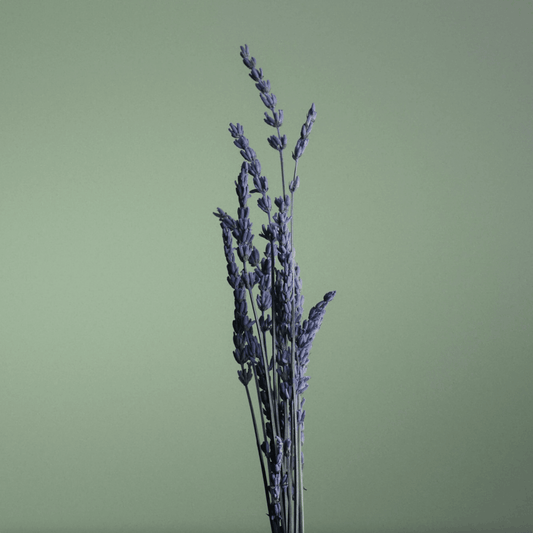
An aromatic plant emblematic of Provence, lavender offers a herbaceous, slightly camphorous and floral freshness that founded the tradition of the great masculine Eaux de Cologne and fougères. A universal, soothing note, it embodies classic perfumery at its noblest. Lavender fragrances, from the great fresh colognes to contemporary fougères that reinvent this timeless classic.

All lavender perfumes

Sort by:
Best selling
Sort by:
Filter and sort Close
Sort by:
Filter by:
  • $00 Product Title 3 colors
  • $00 Product Title 3 colors
  • $00 Product Title 3 colors
  • $00 Product Title 3 colors
  • $00 Product Title 3 colors
  • $00 Product Title 3 colors
  • $00 Product Title 3 colors
  • $00 Product Title 3 colors

Lavender in perfumery: out of the linen cupboard

Fine lavender and lavandin: two plants, two smells

Fine lavender, Lavandula angustifolia, only grows well above six hundred metres, on the plateaux of Haute-Provence and the Drome. Its yield is low: a great many flowers are needed for a kilo of essence, which explains the price. Lavandin is something else — a natural hybrid of fine lavender and spike lavender, sterile, propagated by cuttings, grown on the plains and harvested mechanically. It gives several times more essence per hectare, and it is lavandin that scents the overwhelming majority of soaps, fabric softeners and household products. Both are steam-distilled, but their composition differs: lavandin holds much more camphor, fine lavender more linalyl acetate, the floral and fruity molecule. That gap is the whole distance between a smell of cleanliness and a perfumery material.

What does lavender smell like?

Fine lavender smells of dried flower and honey, with a herbaceous facet, a green bitterness and a faintly powdery base recalling iris. Lavandin, on the other hand, opens on camphor and a medicinal freshness closer to rosemary or mint. One point few people know: lavender naturally contains coumarin, the cut-hay molecule also found in the tonka bean. That kinship is why it slides so easily towards almond, tobacco and brown sugar. On skin it is sharp for the first few minutes, then settles and turns far gentler: judge it at thirty minutes, not on spraying.

Lavender perfumes at Le Soleil d'Or

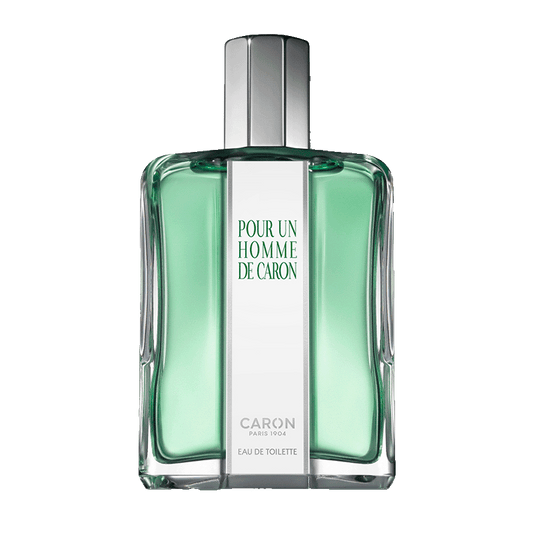
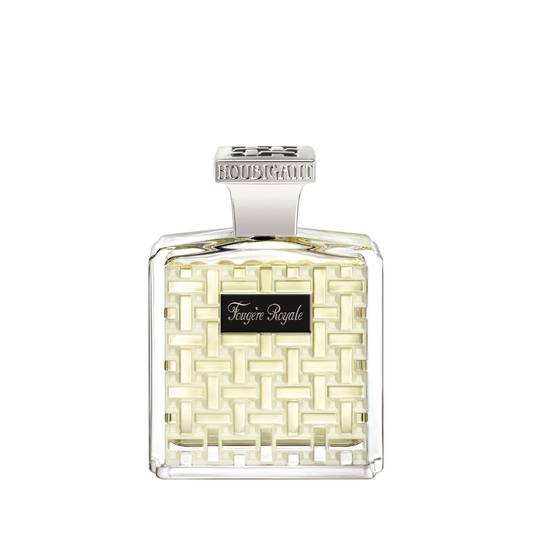
METAL LAVENDER by Matiere Premiere, signed by Aurelien Guichard, is the most contemporary reading: lavender is treated here as a cold, almost mineral material, far from any Provencal folklore. Fougere Royale by Houbigant gives the other end of the story: it is the rereading of the 1882 perfume that founded a whole family. Pour Un Homme by Caron, composed in 1934, rests on two notes only, lavender and vanilla, and remains one of the clearest demonstrations of what simplicity can do. SUGAR BLAST by Initio pushes it firmly towards the gourmand side, with rum and coconut. More classical, Bois du Portugal by Creed uses it to open a dry woody.

Lavender accords and fragrance families

Lavender is the top note of fougere perfumes: paired with the coumarin of the tonka bean and with oakmoss, it forms the accord invented in 1882 and reworked ever since across a vast share of men's perfumery. With geranium, sage and bergamot, it structures aromatic perfumes. The most interesting direction today lies elsewhere: set on a vanilla, a caramel or an almond, it tips towards gourmand perfumes and loses its soapy reflex entirely. With patchouli and musk, it gives colder, more abstract woody perfumes.

Who is it for, and when?

It is worth saying plainly: in France, lavender starts at a disadvantage. It calls up Marseille soap, the sachet in the wardrobe and household cleaner, and part of the work of contemporary perfumery consists precisely in moving it somewhere else. Getting past that reflex is worth the effort, because the material is beautiful and recent compositions bear no resemblance to that memory. It is unisex, even if the history of the fougeres long filed it on the men's side, and it works everywhere: the office, daytime, all seasons, with an advantage in spring and late summer. Its staying power depends entirely on what sits underneath — on its own it would not last two hours; backed by a vanilla or a woody base, it stays with the perfume to the end.

How to choose your lavender perfume

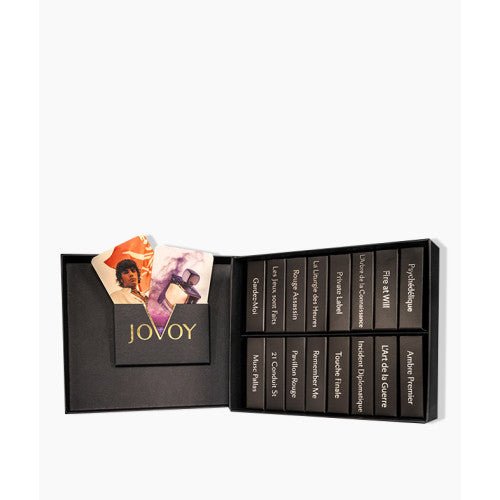
The first question to settle is camphor: if that is what puts you off, set aside the frankly aromatic readings and look towards the floral, powdery or gourmand ones. The second is the base, which decides everything after the first half hour. The bespoke discovery box brings together five 2 mL samples composed by hand, each to be worn for a full day — the only honest way to find out whether a lavender suits you. To get your bearings, compare a cold, contemporary lavender such as METAL LAVENDER with a vanillic lavender such as Pour Un Homme: the gap between the two covers just about everything the note can do.

Lavender at Le Soleil d'Or, a Lille perfumery since 1953

Founded in 1953 by Jeanne Muyllaert on the Grand'Place in Lille, Le Soleil d'Or is an independent perfumery passed down from one generation to the next. Hubert Maes (third generation) turned it into a reference for niche perfumery; today his daughters Victorine and Apolline Maes (fourth generation) uphold the same standards at 22 rue de la Clef, Lille (59800). Our team will let you smell the lavender perfumes in the catalogue, with expert advice and guided trials, and can point you in the right direction using our guide to fragrance families.

Delivery & free in-store collection in Lille

Within mainland France, Colissimo delivery is free from 49 € to a pickup point and from 79 € to your door. Within Europe, it is free from 90 € to a pickup point and from 120 € to your door; we also ship worldwide. Live in Lille or nearby? Free in-store collection at 22 rue de la Clef is the fastest and most economical option. Full terms on our shipping page.

Frequently asked questions about Lavender Perfume

What does lavender smell like in perfume?

Fine lavender smells of dried flower and honey, with a herbaceous facet, a green bitterness and a powdery base. Lavandin, the more common one, opens on camphor and a medicinal freshness. It is that second face that gave lavender its reputation as a soap note.

Fine lavender and lavandin: what is the difference?

Fine lavender, Lavandula angustifolia, grows at altitude and yields little essence: it is more floral, sweeter, more expensive. Lavandin is a sterile hybrid grown on the plains, with a far higher yield and much more camphor. It is lavandin you find in soaps and household products, not in a niche perfume.

Does lavender always smell of soap?

No, and it is a stubborn misunderstanding in France. The association comes from the camphorous lavandin of cleaning products. Set on a vanilla or a caramel, the same material turns warm and gourmand, with nothing clean about it.

Why is lavender linked to the tonka bean?

Because it naturally contains coumarin, the molecule that smells of cut hay and gives the tonka bean its whole character. The two notes extend one another, and their pairing with oakmoss founded fougere perfumes in 1882.

Is a lavender perfume masculine?

The fougere family, built around it, long served men's perfumery, which left a habit rather than a rule. The note is unisex, and today's gourmand or powdery readings carry no gender at all. In the Lille boutique, the team will let you smell several in a row, which settles the question.