Skip to content
Language
Country/region
Search
Cart

Caramel Perfume sweet, buttery indulgence

A quintessential gourmand note, caramel brings a sweet, buttery and slightly salted softness that turns compositions into true olfactory temptations. A natural binder of oriental and vanillic accords, it warms without weighing down. Caramel fragrances, from gourmand orientals to sweet-floral compositions that celebrate immediate pleasure.

All caramel perfumes

Sort by:
Best selling
Sort by:
Filter and sort Close
Sort by:
Filter by:
  • $00 Product Title 3 colors
  • $00 Product Title 3 colors
  • $00 Product Title 3 colors
  • $00 Product Title 3 colors
  • $00 Product Title 3 colors
  • $00 Product Title 3 colors
  • $00 Product Title 3 colors
  • $00 Product Title 3 colors

Caramel in perfumery: a molecule, not a raw material

Ethyl maltol, the molecule that invented caramel in perfume

Let us say it straight away: there is no such thing as caramel extraction. Cooked sugar is not distilled, and no essence or absolute is drawn from it. What you smell in a perfume almost always carries the same name, ethyl maltol - a synthetic derivative of maltol, a molecule found naturally in roasted malt, baked bread and caramelised sugar. Ethyl maltol is several times more powerful than its natural model, it registers at minute doses, and it costs a fraction of what any noble material on the palette costs. That combination explains everything. It also explains Angel, in 1992: Olivier Cresp pushed ethyl maltol to a level nobody had dared, and gourmand perfumery was born of that stroke of force. Thirty years on, the molecule is everywhere, and that is precisely the problem: it is the most recognisable and the easiest note in sweet perfumery, the one a nose identifies in a second and the one that saturates fastest. A successful caramel is a measured caramel.

What does caramel smell like?

Of sugar that has just browned in the heat: round, buttery, with that hint of burnt bitterness that keeps it from being merely sweet. Under the same word, perfumery in fact files four readings that are worth telling apart. Caramel proper stays with cooked sugar and milk. Praline adds toasted almond and hazelnut, and with them a dry, roasted facet that brings it close to coffee and cocoa. Toffee is more buttery, saltier, with a long cooked-milk base. Candyfloss, finally, is ethyl maltol almost bare, with neither butter nor cooking: the most childlike reading, and the most tiring to live with. Against its neighbours, the note is darker and more bitter than vanilla, more openly sweet than tonka bean, and less waxy than honey.

Caramel perfumes at Le Soleil d'Or

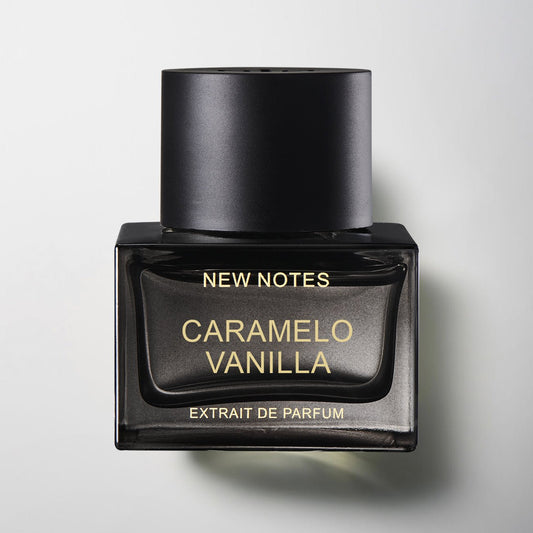
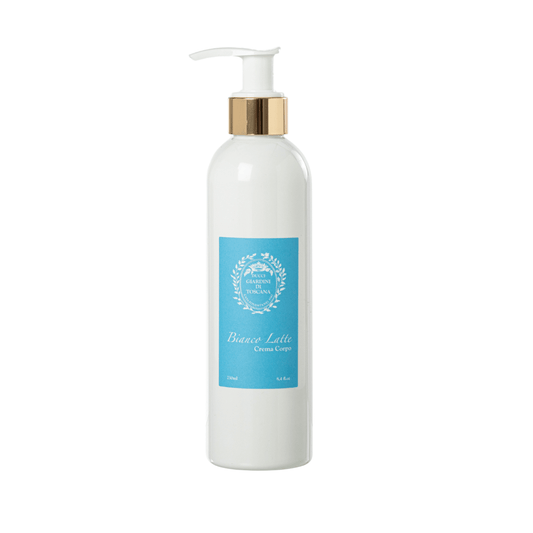
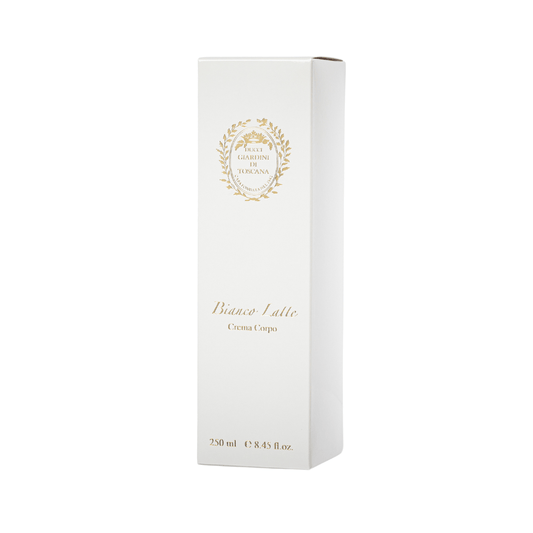
Caramelo Vanilla by New Notes takes on the most direct reading: dulce de leche and confectionery, held in place by narcotic white flowers that keep the whole from being nothing but sugar. Bianco Latte by Giardini di Toscana, composed by Silvia Martinelli, takes it towards the milky and the honeyed. Ambre Latte by Essential Parfums melts it into an amber, where it warms things up without showing itself. Two directions at the opposite end of the gourmand: Wild Rush by Initio slips caramel into a fougere, next to lavender, which makes it almost dry; and Venom Incarnat by Stephane Humbert Lucas sets it on Russian leather and red fruits, which gives the darkest reading in the catalogue.

Caramel accords and fragrance families

Caramel is one of the pillars of gourmand perfumes, where it works with vanilla, tonka bean, cocoa and coffee. Its best partners, though, are the ones that contradict it: patchouli gives it a bitter earthiness, leather gives it an edge, saffron and cinnamon give it a dry warmth. Paired with benzoin and amber, it tips towards oriental perfumes; set on sandalwood or cedar, it gives those soft woody perfumes that contemporary perfumery keeps multiplying. With cherry or peach, it turns towards candied fruity perfumes. One last useful reflex: a citrus at the top, bergamot or lemon, lightens an opening that would otherwise cloy.

Who is it for, and when?

Caramel is unisex, even if marketing long filed it on the feminine side, and it works above all in cold weather: cooked sugar needs warm skin and thick clothing if it is not to turn heavy. In summer, on warm skin, it amplifies considerably and quickly becomes intrusive, which makes it a poor choice for an office or a restaurant. Its lasting power is excellent, sometimes too much so: ethyl maltol is still there on clothing long after the shower. Two habits follow from that. Spray less than usual - one or two presses are almost always enough. And if you hesitate, choose a composition where caramel is a base rather than a subject; you will wear it far more often.

How to choose your caramel perfume

The first question to settle is dosage, not brand. Smell the same family at two levels of intensity and you will see at once where your own limit lies. Beware the classic trap of testing on paper: a caramel is seductive on a blotter and far more insistent on skin, where body heat amplifies it. Allow at least two hours before judging. The bespoke discovery box brings together five 2 mL samples composed by hand, each to be worn for a full day: it is the only honest way to find out whether you still tolerate the note at the end of the day. To get your bearings, compare a caramel treated as the subject, Caramelo Vanilla, with a caramel reduced to a base inside a fougere, Wild Rush. The gap between the two shows everything the molecule can do - and everything it overdoes when left on its own.

Caramel at Le Soleil d'Or, a Lille perfumery since 1953

Founded in 1953 by Jeanne Muyllaert on the Grand'Place in Lille, Le Soleil d'Or is an independent perfumery passed down from one generation to the next. Hubert Maes (third generation) turned it into a reference for niche perfumery; today his daughters Victorine and Apolline Maes (fourth generation) uphold the same standards at 22 rue de la Clef, Lille (59800). Our team will let you smell the caramel perfumes in the catalogue, with expert advice and guided trials, and can point you in the right direction using our guide to fragrance families.

Delivery & free in-store collection in Lille

Within mainland France, Colissimo delivery is free from 49 € to a pickup point and from 79 € to your door. Within Europe, it is free from 90 € to a pickup point and from 120 € to your door; we also ship worldwide. Live in Lille or nearby? Free in-store collection at 22 rue de la Clef is the fastest and most economical option. Full terms on our shipping page.

Frequently asked questions about Caramel Perfume

Is caramel a natural material in perfumery?

No. There is neither essence nor absolute of caramel: cooked sugar is not distilled. The note rests on a synthetic molecule, ethyl maltol, derived from the maltol found in roasted malt and baked bread. It is a reconstruction, and the perfumer's whole job lies in the dosage.

What is ethyl maltol?

It is the molecule of caramel and candyfloss. Its odour power is enormous and its cost derisory, which is why it is found everywhere since Angel, in 1992, showed what it could do. It is also the most recognisable note in gourmand perfumery, and the one that saturates fastest if the dose is pushed.

Caramel, praline, toffee, candyfloss: what is the difference?

They are four readings of the same family. Caramel proper stays with cooked sugar and milk. Praline adds toasted almond and hazelnut, and with them a dry, roasted facet. Toffee is more buttery and saltier, with a long cooked-milk base. Candyfloss is ethyl maltol almost bare, with no cooking: the most childlike reading.

Caramel and vanilla: what is the difference?

Vanilla is an orchid pod, a genuine raw material: milky, round, slightly woody. Caramel is a reconstruction of cooked sugar, darker, more bitter in the base, more openly sweet at the top. The two are often paired, and it is the vanilla that then brings the depth.

Which caramel perfume should I start with?

Start with a composition where caramel is held in place by something other than sugar. Ambre Latte by Essential Parfums melts it into an amber and stays wearable day to day. If you want the note straight, Caramelo Vanilla by New Notes gives it without detour - but spray sparingly.