Benzoin in perfumery: the balsam that smells of vanilla without being one
A balsam harvested by incision, in Laos and Sumatra
Benzoin is not picked, it is exuded. The bark of a tree of the Styrax genus is cut and the tree answers by secreting a thick balsam that hardens in the air into brown tears, collected some months later. Two species supply most of the material: Styrax tonkinensis, worked in Laos and in what was once Siam, and Styrax benzoin, in Sumatra. So this is a balsam rather than a resin in the strict sense, even if common usage kept the word resin; that balsam is rich in benzoic acid and, above all, in vanillin, which explains the immediate kinship the nose makes with vanilla. Perfumery never uses it as it comes: the tears are solvent-treated to give a brown, very viscous resinoid, sometimes refined into an absolute. It is a difficult material to dose, sticky, slow to disperse in alcohol, and it carries several of the allergenic substances that European regulation requires to be declared on the label.
What does benzoin smell like?
Of a warm, sweet balsam, somewhere between vanilla and incense, with a bitter-almond facet and a smell of old waxed wood. Confusion with vanilla is the most common one, and it has a chemical reason: both materials contain vanillin. But the pod is milky, creamy, frankly gourmand; benzoin is resinous and balsamic, drier, with that undertone of incense and burnt wood that a vanilla does not have. It does not smell of dessert, it smells of a church and an old apothecary. The other confusion worth clearing up is with styrax: old perfumery texts use the two names interchangeably, but perfumery styrax comes from the liquidambar, a different tree, and its smell heads towards leather, cinnamon and an almost plastic smoke. Between the two origins of benzoin the gap is audible too: Siam is milkier, more powdery, closer to almond; Sumatra is smokier, more leathery, with a wet-street note.
Benzoin perfumes at Le Soleil d'Or
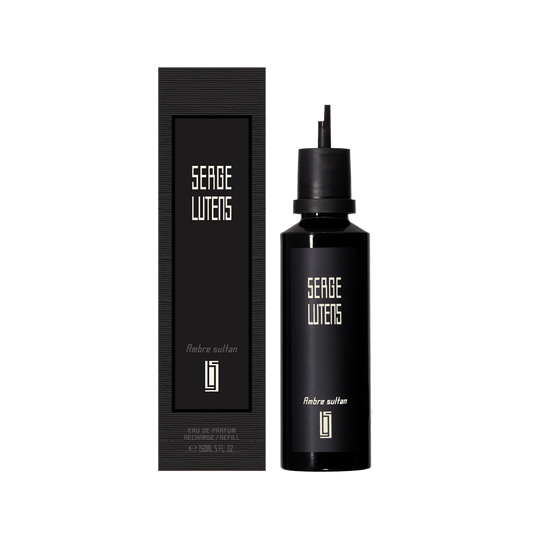
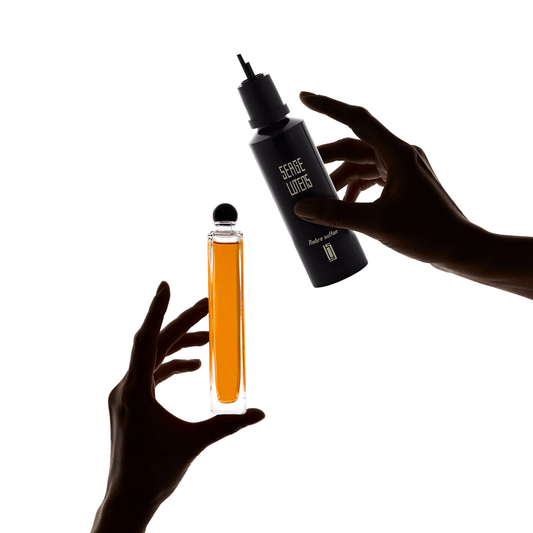
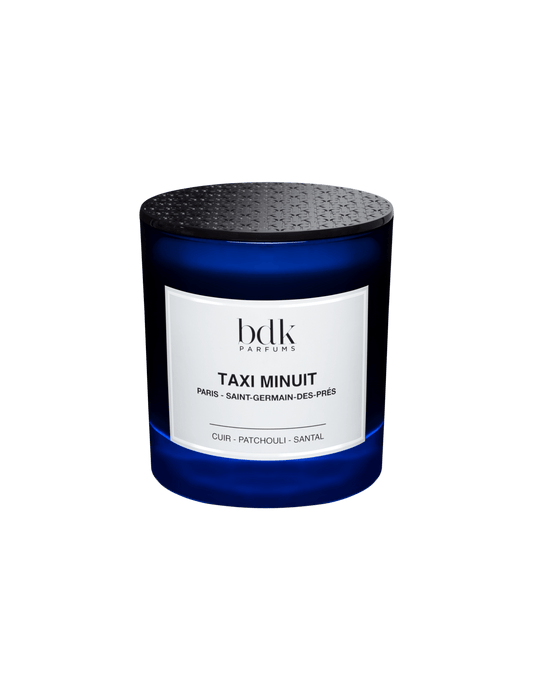
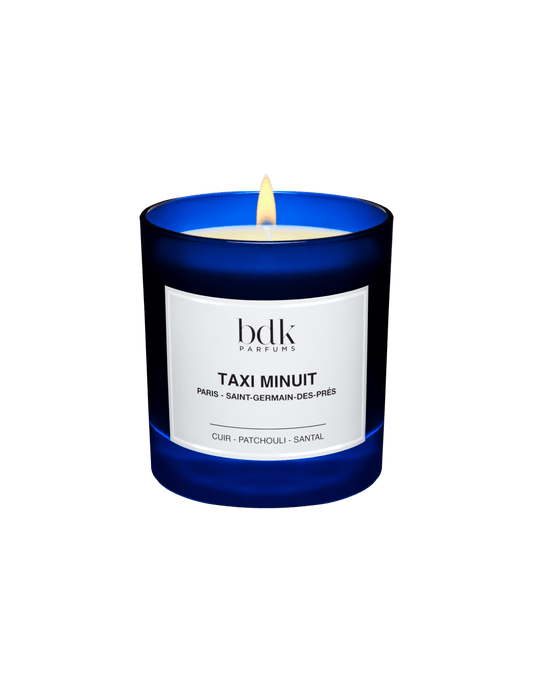
Ambre sultan by Serge Lutens gives the rawest reading: benzoin is piled onto labdanum and dry herbs, and the result has more of a balsam about it than a perfume. Encens Suave by Matiere Premiere, signed by Aurelien Guichard, pushes it towards incense and coffee. Vanille Leather by BDK Parfums, composed by Dominique Ropion, is the chance to smell benzoin and vanilla side by side, where they play quite different roles. Smoke by Akro, by Olivier Cresp, takes its smoky, tobacco side. Finally Oro e Miele by Giardini di Toscana, written by Silvia Martinelli, settles it into honey and almond blossom — the powdery Siam direction.
Benzoin accords and fragrance families
Benzoin is one of the pillars of oriental perfumes and amber perfumes: paired with labdanum and vanilla, it is what gives the amber accord its depth of balsam rather than of sugar. With incense, myrrh and styrax it composes resinous, liturgical bases; with cinnamon and saffron it joins spicy perfumes. Set over leather or oud, it softens what would otherwise be cutting, and that is its most useful function: benzoin is a fixative, it holds volatile materials back and extends everything it touches. With heliotrope, almond and tonka bean it tips towards gourmand perfumes, and over a sandalwood or a patchouli, towards deeply enveloping woody perfumes.
Who is it for, and when?
Benzoin is unisex, but it is not neutral: it is a warm, dense note that occupies the space around whoever wears it. It comes into its own in autumn and winter, on thick fabrics, and it can quickly turn cloying in high summer, where heat amplifies its syrupy side. Its staying power is its strength: like all balsams it travels little and lasts several hours, sometimes into the next day on clothing. Two things to know before buying. The first is that a benzoin base is noticed from a distance; in a meeting or an open-plan office, two sprays are better than five. The second is that the resinoid carries declared allergenic substances — benzyl benzoate and benzyl cinnamate in particular — listed on the box: if your skin reacts easily, test it on the inside of the elbow before deciding.
How to choose your benzoin perfume
Start by settling which of the two directions you want, because they are not worn the same way: the powdery, milky benzoin, close to almond and honey, or the smoky, leathery benzoin, close to tobacco and incense. Benzoin cannot be judged on spraying either: it takes forty minutes to fall into place and only shows its real face afterwards, once the top has evaporated. The bespoke discovery box brings together five 2 mL samples composed by hand, each to be worn for a full day — the only honest way to settle a base note. To get your bearings, compare Oro e Miele, which takes the honeyed and powdery version, with Smoke, which takes the smoky one. The same word covers both.
Benzoin at Le Soleil d'Or, a Lille perfumery since 1953
Founded in 1953 by Jeanne Muyllaert on the Grand'Place in Lille, Le Soleil d'Or is an independent perfumery passed down from one generation to the next. Hubert Maes (third generation) turned it into a reference for niche perfumery; today his daughters Victorine and Apolline Maes (fourth generation) uphold the same standards at 22 rue de la Clef, Lille (59800). Our team will let you smell the benzoin perfumes in the catalogue, with expert advice and guided trials, and can point you in the right direction using our guide to fragrance families.
Delivery & free in-store collection in Lille
Within mainland France, Colissimo delivery is free from 49 € to a pickup point and from 79 € to your door. Within Europe, it is free from 90 € to a pickup point and from 120 € to your door; we also ship worldwide. Live in Lille or nearby? Free in-store collection at 22 rue de la Clef is the fastest and most economical option. Full terms on our shipping page.