Skip to content
Language
Country/region
Search
Cart

Heliotrope Perfume powdery, vanillic and almond

A powdery flower with accords of vanilla, almond and cherry, heliotrope is the most nostalgic note in perfumery — at once gourmand and floral, soft and enveloping. A signature note of the great vintage powdery scents and contemporary florals. Heliotrope fragrances, from nostalgic powdery to a vanillic-floral accord of evocative softness.

All heliotrope perfumes

Sort by:
Best selling
Sort by:
Filter and sort Close
Sort by:
Filter by:
  • $00 Product Title 3 colors
  • $00 Product Title 3 colors
  • $00 Product Title 3 colors
  • $00 Product Title 3 colors
  • $00 Product Title 3 colors
  • $00 Product Title 3 colors
  • $00 Product Title 3 colors
  • $00 Product Title 3 colors

Heliotrope in perfumery: the powdery note par excellence

A mute flower, a single molecule: heliotropin

Heliotropium arborescens is a small plant from Peru, with tight purple flowers, that smells of vanilla, almond and warm baking — in English it is known as cherry pie. Like lily of the valley it is a mute flower: nobody knows how to distil or extract it in any usable way, and there is therefore no heliotrope essence and no absolute. What perfumery calls heliotrope is in fact a molecule, heliotropin, also known as piperonal, isolated in the 19th century and produced synthetically ever since. It comes as white crystals and smells, on its own, of most of what one expects: sweet almond, vanilla, face powder. It is also a substance closely monitored outside perfumery, because it serves as a chemical precursor in other industries. Perfumers generally surround it with a few complementary materials — anisic, vanillic, floral — to rebuild the impression of a flower around the molecule.

What does heliotrope smell like?

Of powder, in the most literal sense: talc, a powder compact, old make-up, a child's skin after the bath. Behind that, a sweet, faintly anisic almond, a sugary vanilla, and a facet close to cherry in brandy or to frangipane. Compared with its powdery neighbours it is warmer and more gourmand than iris, whose powder is cold and mineral, and rounder than violet, whose powder stays green. It has to be said plainly that this is a divisive note: the same sillage will be read as childhood comfort by some and as “old”, even as grandmother's soap, by others. On skin it lasts a long time — it is a heavy molecule that works in the base — and stays close to the body.

Heliotrope perfumes at Le Soleil d'Or

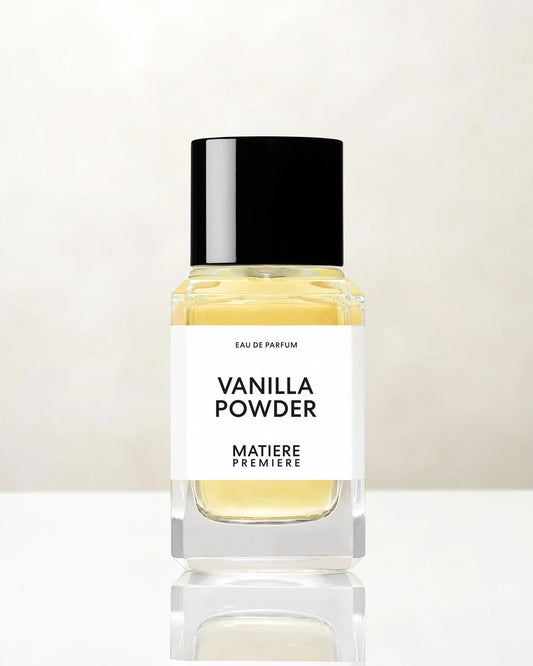
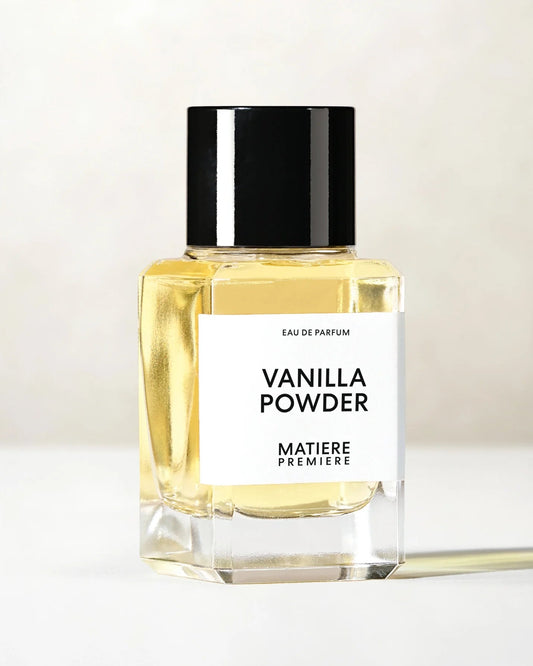
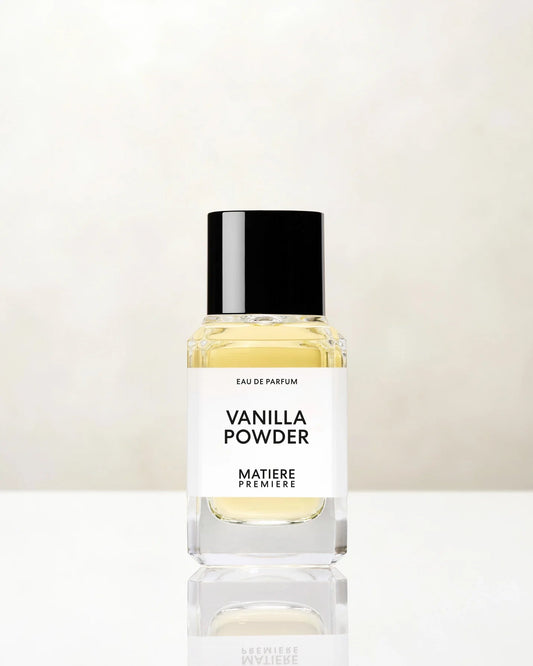
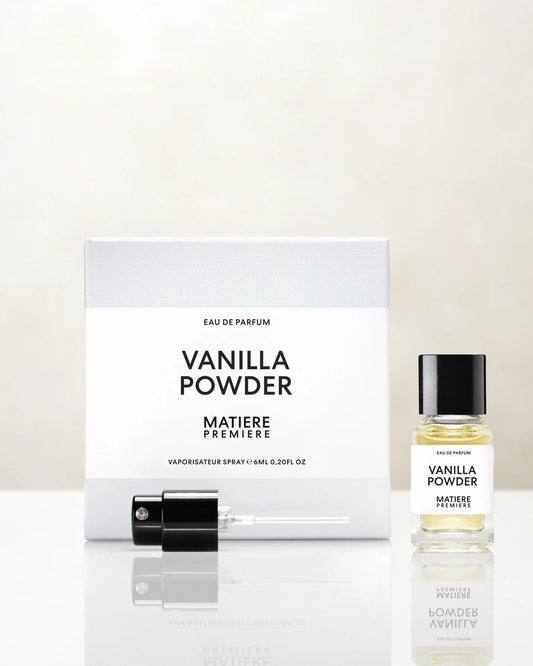
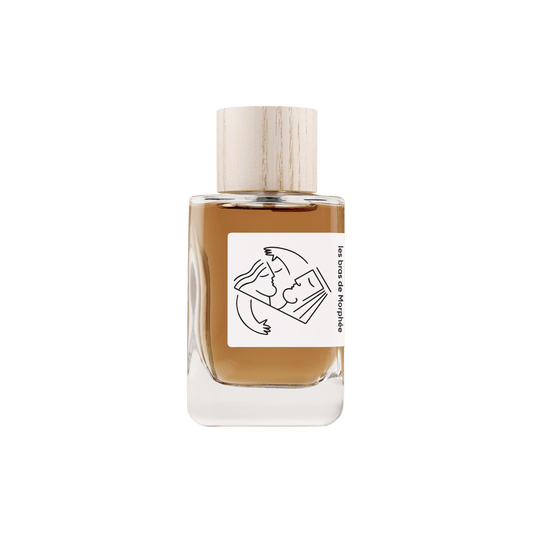
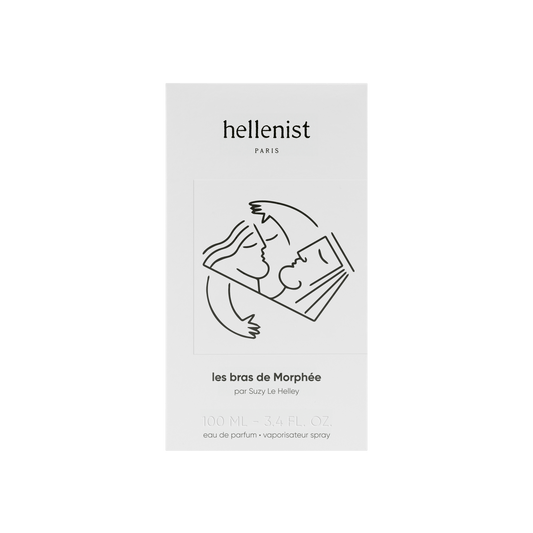
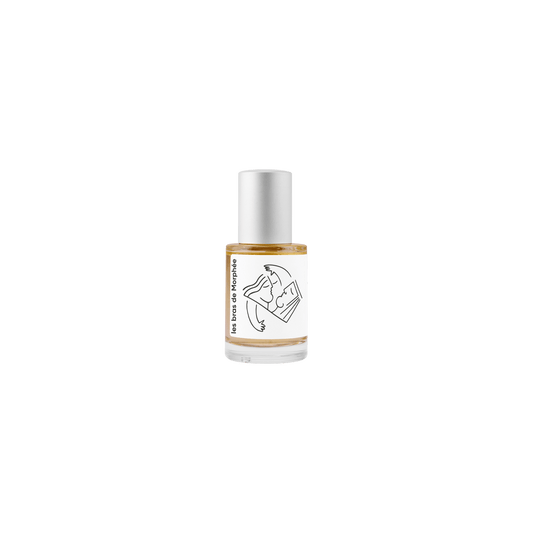
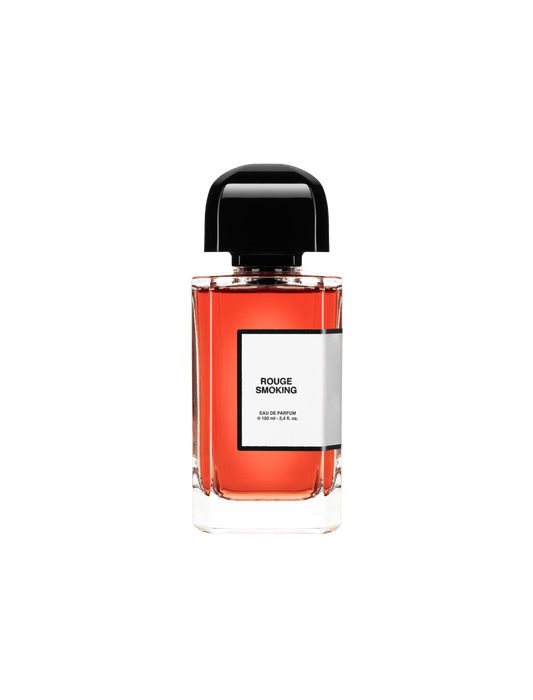
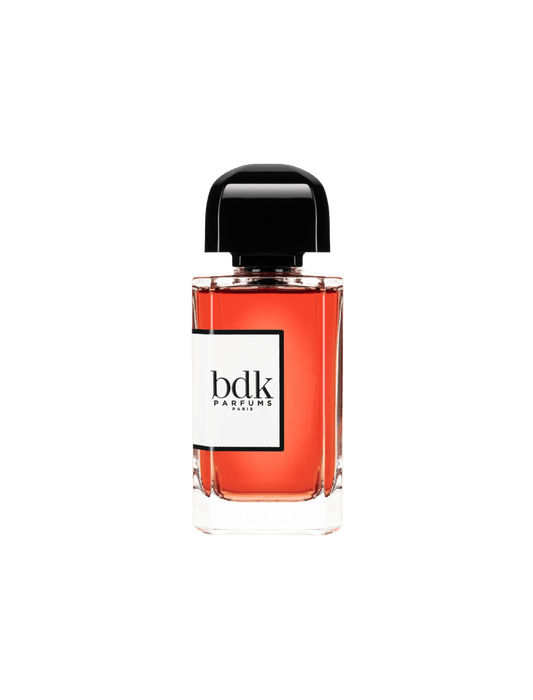
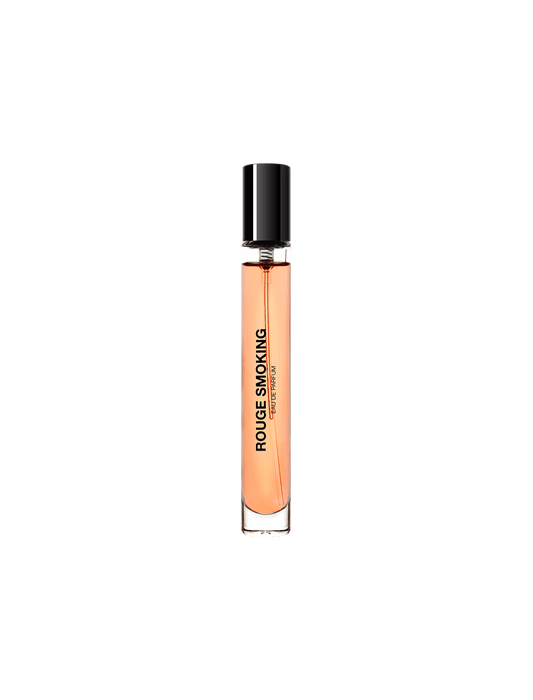
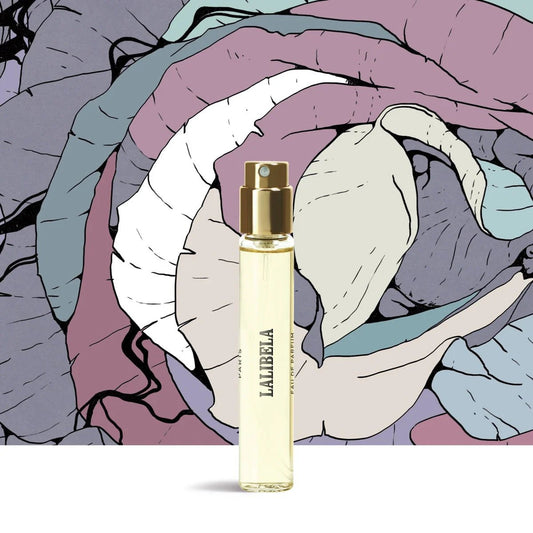
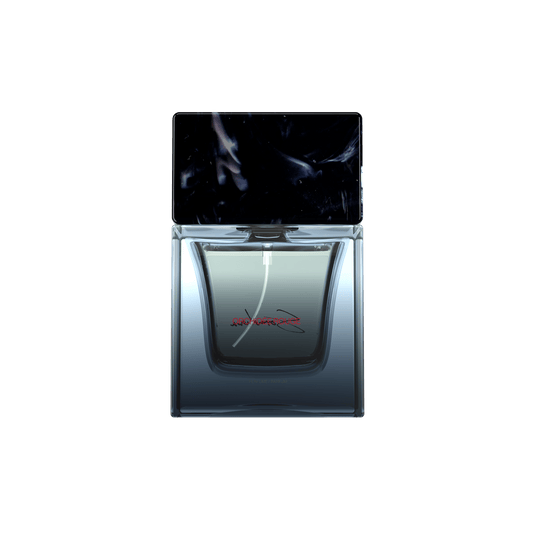
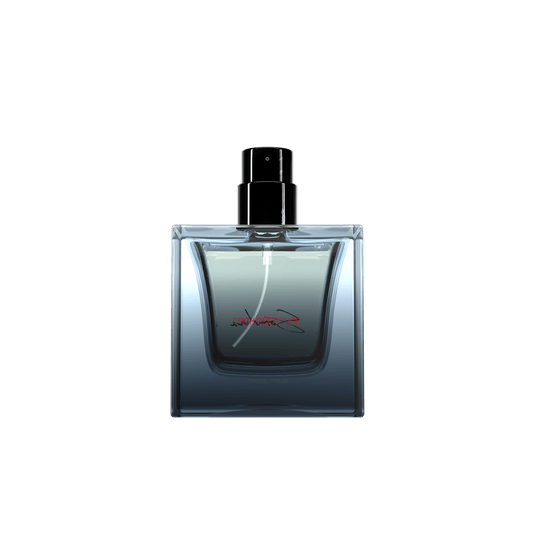
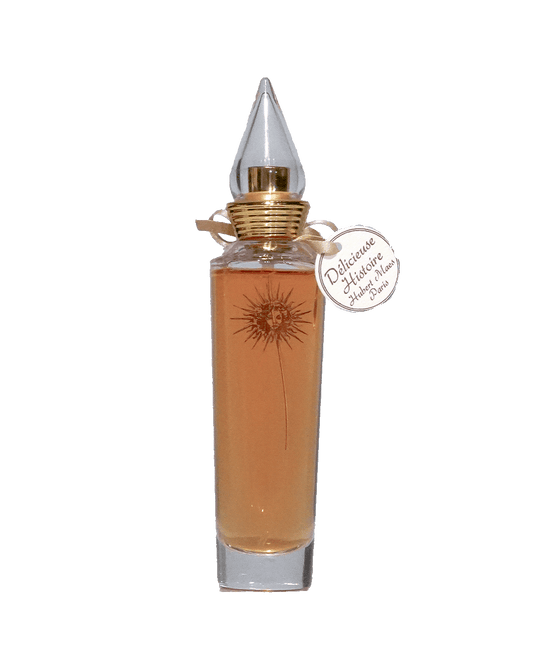
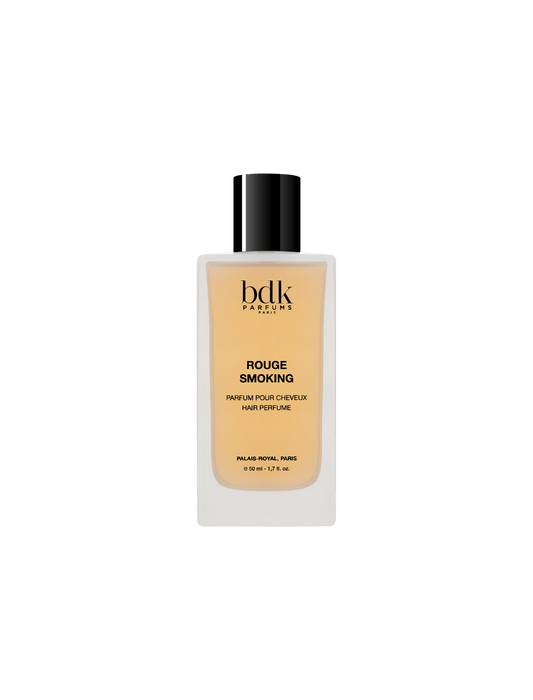
Vanilla Powder by Matiere Premiere, signed by Aurelien Guichard, gives the most direct reading: heliotrope opens the composition alongside coconut, before a Madagascar vanilla and a palo santo base. Les bras de Morphee by Hellenist, composed by Suzy Le Helley, pairs it with iris and violet for an unapologetically cosmetic powder. Rouge Smoking by BDK Parfums, by Amelie Bourgeois, places it behind a cherry accord, where it links the fruit to the black vanilla. Mandorle by Sora Dora takes it towards cocoa, rum and smoked leather, and Delicieuse Histoire, a creation by Hubert Maes, sets it in the base with hazelnut and praline.

Heliotrope accords and fragrance families

Heliotrope is the heart of powdery perfumes, where it works with iris, violet and musk. Its immediate kinship is gourmand: with almond, cherry, vanilla and tonka bean it composes most of the non-chocolate gourmand perfumes. Backed by benzoin and cinnamon, it slides towards oriental perfumes; with cashmeran and sandalwood, towards creamy woody perfumes. Finally it acts as a binder in older floral perfumes, where its floury softness rounds off the white flowers.

Who is it for, and when?

Heliotrope is unisex on paper, and it does appear as readily in compositions worn by men as by women; but powderiness remains culturally attached to the feminine wardrobe, and that is usually what decides. It is an autumn and winter note, at ease in the evening and indoors, less convincing in full sun, where its softness quickly turns heavy. Its staying power is a real asset: a base molecule, it remains present for eight hours and more, with a moderate sillage that bothers no one. The reservation lies elsewhere: along with iris, it is probably the most divisive note on the palette. Before making up your mind, have someone else smell it on you — the reactions are often sharper than your own.

How to choose your heliotrope perfume

The first question to settle is the register: are you after a gourmand heliotrope, on the almond, cherry and vanilla side, or a cosmetic one, on the talc, iris and make-up side? The same name covers two very different effects. Wear it for a full day before judging: heliotrope unfolds slowly and shows little in the first ten minutes. The bespoke discovery box brings together five 2 mL samples composed by hand, which makes that test possible without buying a bottle. To get your bearings, compare a powdery heliotrope treated in the open, Vanilla Powder, with one placed in support of a fruity accord, Rouge Smoking: in the first it makes the smell, in the second it makes the texture.

Heliotrope at Le Soleil d'Or, a Lille perfumery since 1953

Founded in 1953 by Jeanne Muyllaert on the Grand'Place in Lille, Le Soleil d'Or is an independent perfumery passed down from one generation to the next. Hubert Maes (third generation) turned it into a reference for niche perfumery; today his daughters Victorine and Apolline Maes (fourth generation) uphold the same standards at 22 rue de la Clef, Lille (59800). Our team will let you smell the heliotrope perfumes in the catalogue, with expert advice and guided trials, and can point you in the right direction using our guide to fragrance families.

Delivery & free in-store collection in Lille

Within mainland France, Colissimo delivery is free from 49 € to a pickup point and from 79 € to your door. Within Europe, it is free from 90 € to a pickup point and from 120 € to your door; we also ship worldwide. Live in Lille or nearby? Free in-store collection at 22 rue de la Clef is the fastest and most economical option. Full terms on our shipping page.

Frequently asked questions about Heliotrope Perfume

What does heliotrope smell like in perfume?

Of powder: talc, a powder compact, old make-up, a child's skin after the bath. Behind that, a sweet, faintly anisic almond, vanilla, and a facet of cherry or frangipane. It is the reference powdery note.

What is heliotropin?

It is the molecule that carries the whole odour, also called piperonal. Heliotrope is a mute flower, from which no essence and no absolute can be drawn: perfumery rebuilds the flower around this molecule, isolated in the 19th century, which comes as white crystals and smells on its own of almond, vanilla and face powder.

Heliotrope and almond: what is the difference?

Almond is edible: it evokes the nut, marzipan, amaretto. Heliotrope borrows that almond facet but covers it in powder and vanilla; the result is cosmetic rather than edible, closer to talc than to cake. The two often cross paths in the same formula.

Why is heliotrope so divisive?

Because powderiness is an odour loaded with personal references. The same sillage evokes for some a child's skin and a sense of comfort, and for others an old interior or grandmother's soap. There is no right answer: it is a note you have to wear, and have those around you smell, before buying a bottle.

Which heliotrope perfume should I start with?

If you want the note in the clear, Vanilla Powder by Matiere Premiere is the most legible way in, between coconut, vanilla and powder. For the gourmand side, where heliotrope supports a fruit, Rouge Smoking by BDK Parfums gives the other direction. In the Lille boutique, the team will let you smell both in a row, which settles the question quickly.