Note olfactive
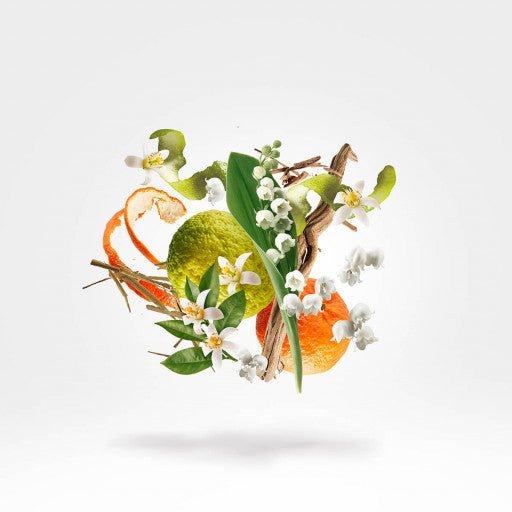
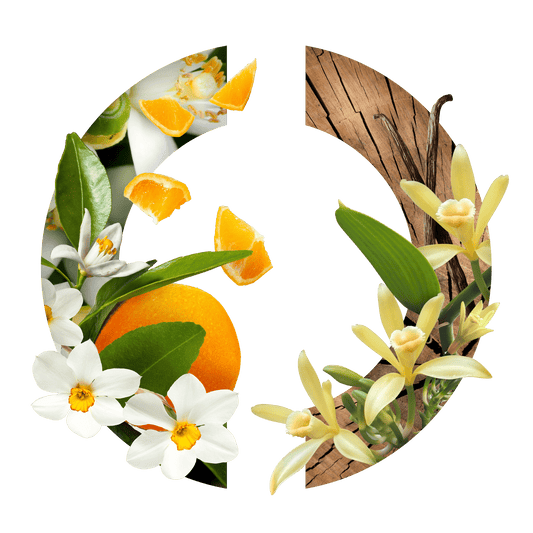
Petitgrain Perfume — Leaf of the Orange Tree
Petitgrain is steam distilled from the leaves and young twigs of the bitter orange tree. It draws from them a green, bitter freshness quite unlike neroli, distilled from the flower of the same tree, or… Read the story
4.7/5 · 14 verified customer reviews
All Petitgrain Perfume products
-
Regular priceFrom 160,00 €Regular priceSale priceFrom 160,00 €Unit priceper
Oriental, Floral
52 ml · 3,08 €/ml
Contre ta Peau CHAMBRE52 -
Regular priceFrom 79,00 €Regular priceSale priceFrom 79,00 €Unit priceper
Chypre, Green
120 ml · 0,66 €/ml
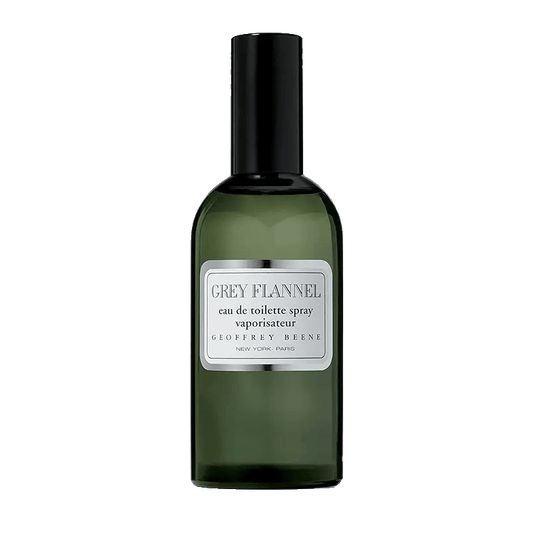
Grey Flannel GEOFFREY BEENE -
Regular price55,00 €Regular priceSale price55,00 €Unit priceper
Citrus, Marine
15 ml · 3,67 €/ml
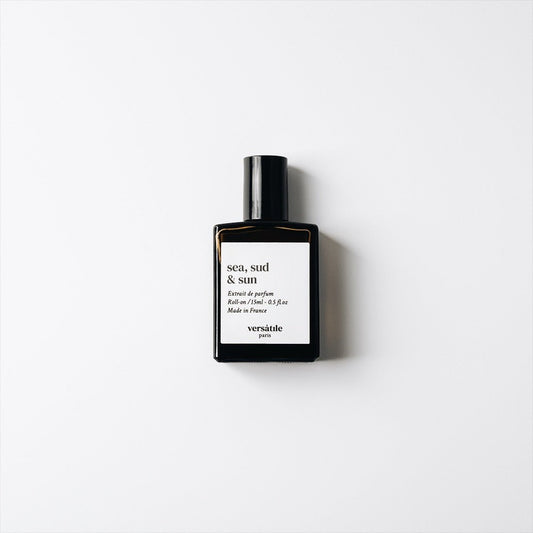
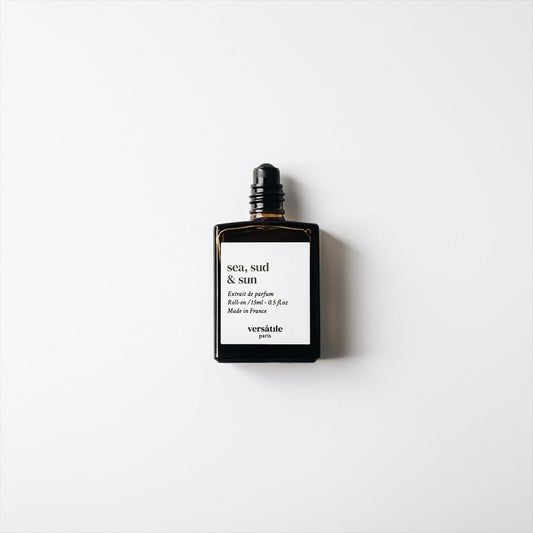
SEA, SUD & SUN VERSATILE -
Regular priceFrom 220,00 €Regular priceSale priceFrom 220,00 €Unit priceper
Citrus, Green
75 ml · 2,93 €/ml
GREENLEY PARFUMS DE MARLY -
Regular priceFrom 58,00 €Regular priceSale priceFrom 58,00 €Unit priceper
Oriental, Floral
10 ml · 5,80 €/ml
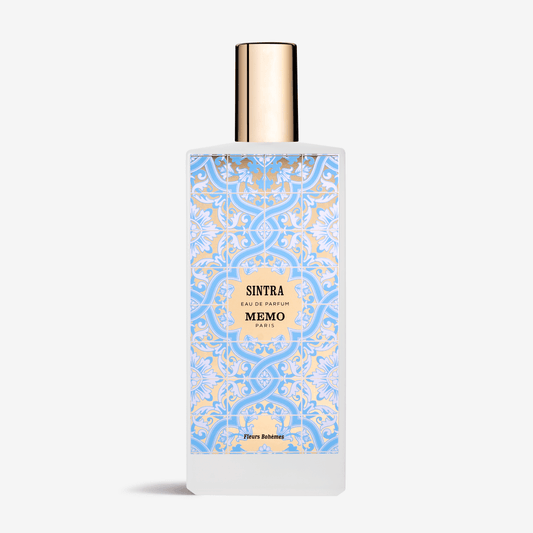
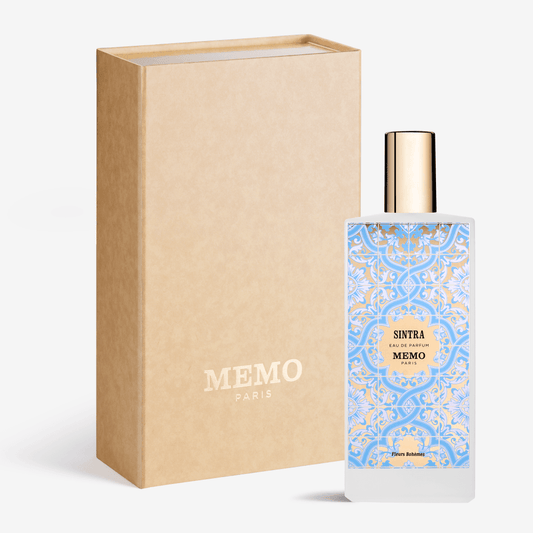
Sintra MEMO -
Regular price225,00 €Regular priceSale price225,00 €Unit priceper
Aquatic, Aromatic, Woody
100 ml · 2,25 €/ml
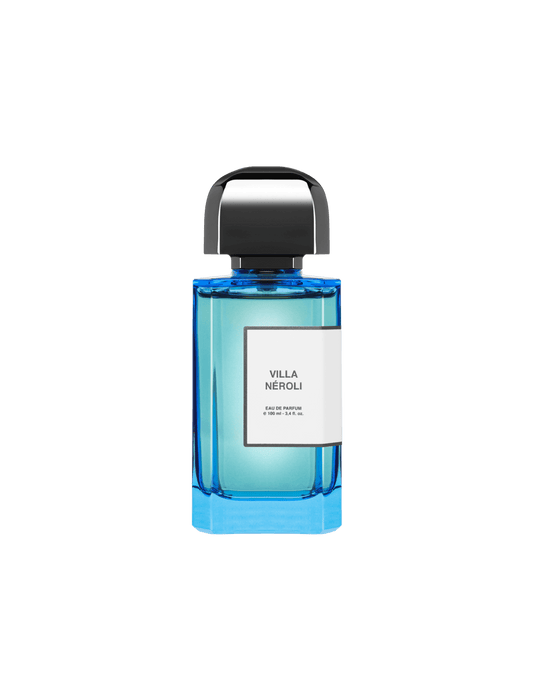
Villa Néroli BDK PARFUMS -
Regular price195,00 €Regular priceSale price195,00 €Unit priceper
Floral, Amber
100 ml · 1,95 €/ml
paura dell'acqua ānti -
Regular priceFrom 90,00 €Regular priceSale priceFrom 90,00 €Unit priceper
Floral, Leathery
30 ml · 3,00 €/ml
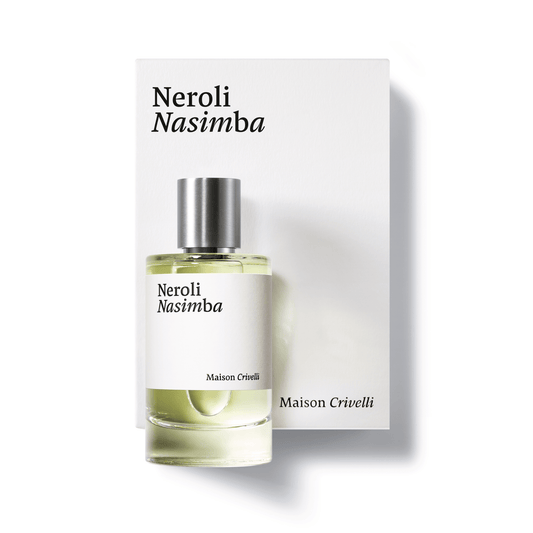
Neroli Nasimba MAISON CRIVELLI -
Regular price245,00 €Regular priceSale price245,00 €Unit priceper
Citrus, Aromatic
100 ml · 2,45 €/ml
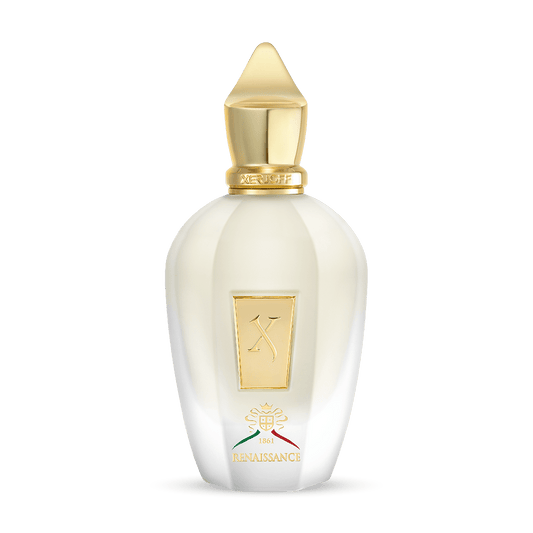
Renaissance XERJOFF -
Regular price199,50 €Regular priceSale price199,50 €Unit priceper
Floral, Woody
100 ml · 2,00 €/ml
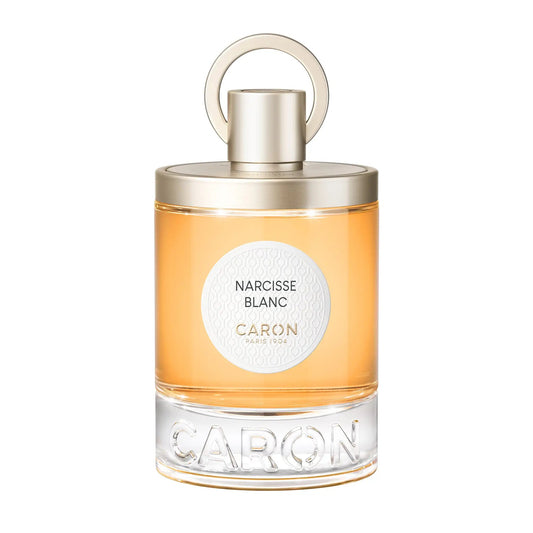
Narcisse Blanc CARON -
Regular priceFrom 220,00 €Regular priceSale priceFrom 220,00 €Unit priceper
Citrus, Spicy
75 ml · 2,93 €/ml
CASTLEY PARFUMS DE MARLY -
Regular priceFrom 220,00 €Regular priceSale priceFrom 220,00 €Unit priceper
Citrus, Aromatic
50 ml · 4,40 €/ml
Néroli Sauvage CREED -
Regular price90,00 €Regular priceSale price90,00 €Unit priceper
Floral, Aromatic
260 g · 0,35 €/g
Bougie - Or & Lumière SOLFÉRINO PARIS -
Regular price170,00 €Regular priceSale price170,00 €Unit priceper
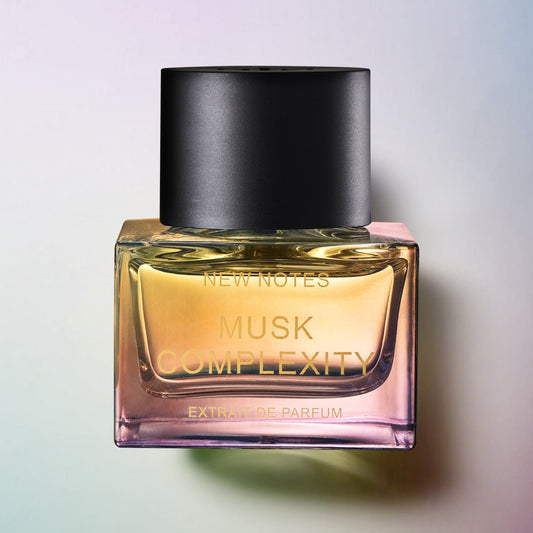
Woody, Musky, Floral
50 ml · 3,40 €/ml
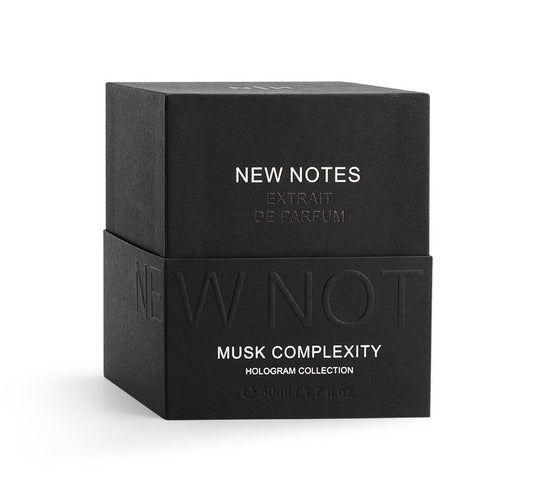
Musk Complexity NEW NOTES -
Regular price445,00 €Regular priceSale price445,00 €Unit priceper
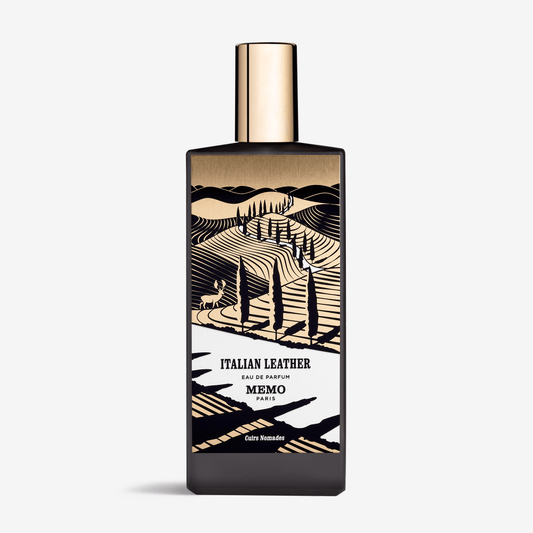
Leathery, Spicy
200 ml · 2,23 €/ml
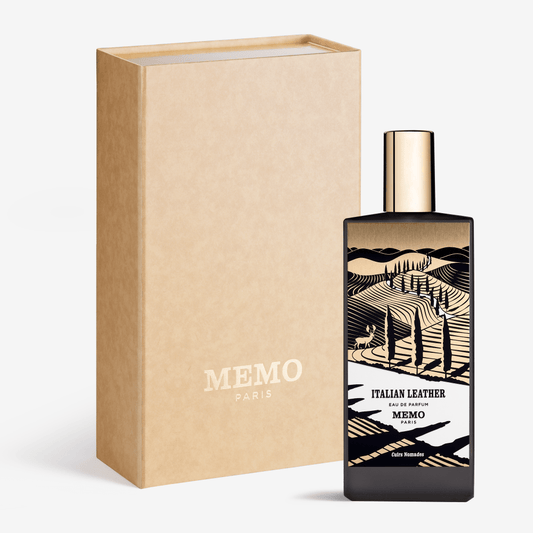
Italian Leather MEMO -
Regular priceFrom 120,00 €Regular priceSale priceFrom 120,00 €Unit priceper
Fruity, Citrus, Aromatic
50 ml · 2,40 €/ml
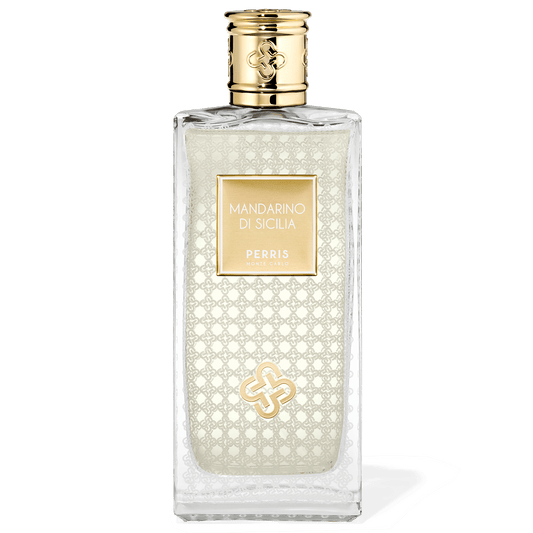
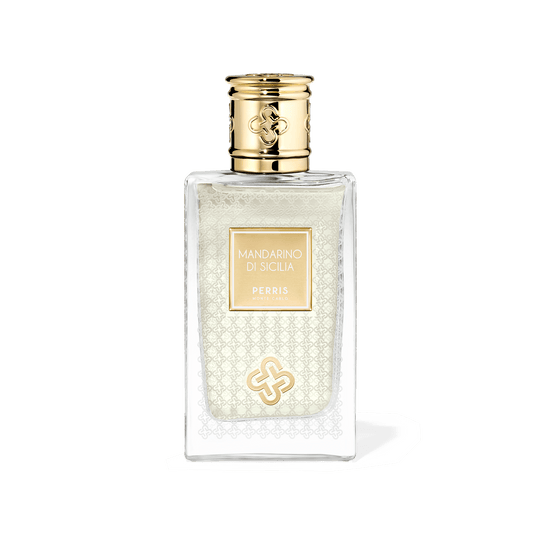
Mandarino di Sicilia PERRIS MONTE CARLO -
Regular price76,00 €Regular price
190,00 €Sale price76,00 € -60%Unit priceperOriental, Floral
100 ml · 0,76 €/ml
Nejma 6 NEJMA -
Regular price230,00 €Regular priceSale price230,00 €Unit priceper
Citrus, Floral
100 ml · 2,30 €/ml
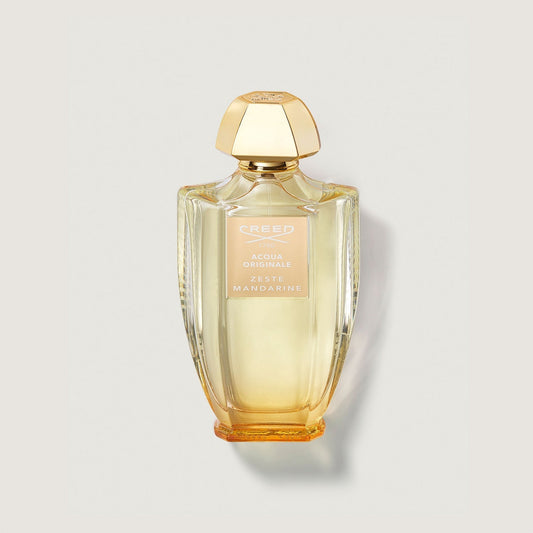
Zeste Mandarine CREED -
Regular price230,00 €Regular priceSale price230,00 €Unit priceper
Aromatic, Citrus
100 ml · 2,30 €/ml
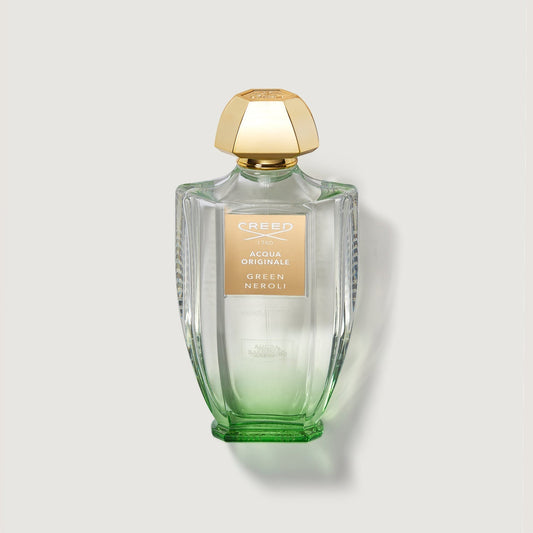
Green Neroli CREED -
Regular priceFrom 52,00 €Regular priceSale priceFrom 52,00 €Unit priceper
Floral, Leathery
10 ml · 5,20 €/ml
Iris Ebène Atelier Materi -
Regular priceFrom 98,00 €Regular priceSale priceFrom 98,00 €Unit priceper
Floral, Citrus, Oriental
100 ml · 2,50 €/ml
Neroli PROFUMUM ROMA -
Regular priceFrom 101,00 €Regular priceSale priceFrom 101,00 €Unit priceper
Citrus, Aromatic, Woody
100 ml · 2,68 €/ml
Orangea PROFUMUM ROMA -
Regular price200,00 €Regular priceSale price200,00 €Unit priceper
Citrus, Floral, Powdery
100 ml · 2,00 €/ml
Lacura MENDITTOROSA -
Regular price80,00 €Regular priceSale price80,00 €Unit priceper
52 ml · 1,54 €/ml
Parfum cheveux - Contre ta Peau CHAMBRE52
















24 of 28 perfumes
Your fragrance profile
Not sure which fragrance is for you?
Answer a few questions on the scents you love and those you avoid: we suggest the fragrances that suit you, in this house and beyond.


The story