
Note olfactive
Vetiver Perfume – smoky, earthy and woody
A sacred root native to Bourbon Island, vetiver imposes its smoky, earthy and woody signature with rare authority. A quintessentially virile and sophisticated note, it is the base of the great masculine classics as well… Read the story
4.9/5 · 100 verified customer reviews
All Vetiver Perfume products
-
Regular priceFrom 48,00 €Regular priceSale priceFrom 48,00 €Unit priceper
Woody, Oriental
10 ml · 4,80 €/ml
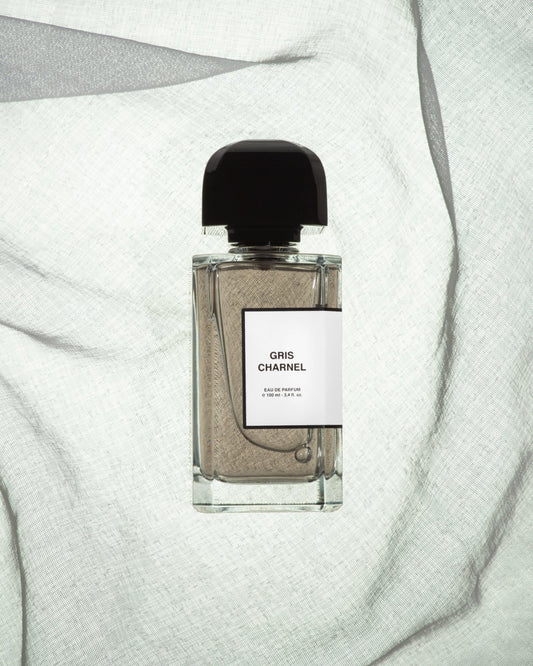
Gris Charnel BDK PARFUMS -
Regular priceFrom 270,00 €Regular priceSale priceFrom 270,00 €Unit priceper
Woody, Citrus
50 ml · 5,40 €/ml
Absolu Aventus CREED -
Regular price280,00 €Regular priceSale price280,00 €Unit priceper
Woody, Chypre
100 ml · 2,80 €/ml
Gris Charnel Extrait BDK PARFUMS -
Regular priceFrom 4,00 €Regular priceSale priceFrom 4,00 €Unit priceper
Green, Woody
2 ml · 2,00 €/ml
I FIG YOU FASCENT -
Regular priceFrom 42,00 €Regular priceSale priceFrom 42,00 €Unit priceper
Floral, Musky
15 ml · 2,80 €/ml
Le chant d’Achille HELLENIST -
Regular priceFrom 42,00 €Regular priceSale priceFrom 42,00 €Unit priceper
Aromatic, Aquatic
15 ml · 2,80 €/ml
Les dieux aux bains HELLENIST -
Regular priceFrom 24,00 €Regular priceSale priceFrom 24,00 €Unit priceper
Floral, Spicy
10 ml · 2,40 €/ml
Néroli Botanica ESSENTIAL PARFUMS -
Regular price320,00 €Regular priceSale price320,00 €Unit priceper
Woody, Floral
100 ml · 3,20 €/ml
Wild Vetiver CREED -
Regular priceFrom 42,00 €Regular priceSale priceFrom 42,00 €Unit priceper
Floral, Woody
15 ml · 2,80 €/ml
À l’ombre d’Artémis HELLENIST -
Regular priceFrom 205,00 €Regular priceSale priceFrom 205,00 €Unit priceper
Woody, Aromatic
50 ml · 4,10 €/ml
Aventus Cologne CREED -
Regular priceFrom 160,00 €Regular priceSale priceFrom 160,00 €Unit priceper
Woody
52 ml · 3,08 €/ml
Bois Flotté CHAMBRE52 -
Regular price98,00 €Regular priceSale price98,00 €Unit priceper
Floral, Musky, Woody
Kit Découverte - Voyage 3x15ml « Les lumières » HELLENIST -
Regular price55,00 €Regular priceSale price55,00 €Unit priceper
Gourmand, Woody
15 ml · 3,67 €/ml
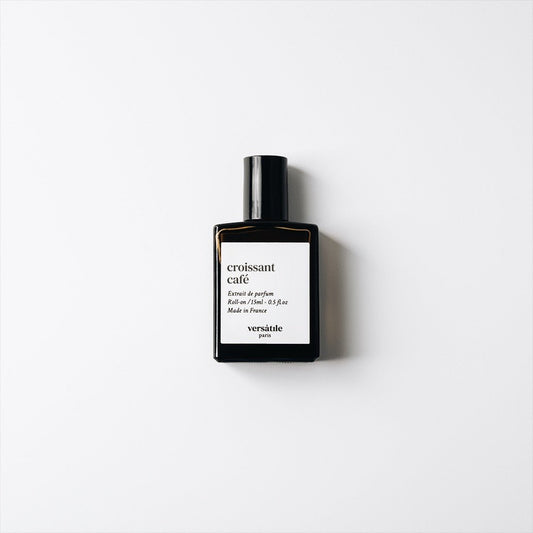
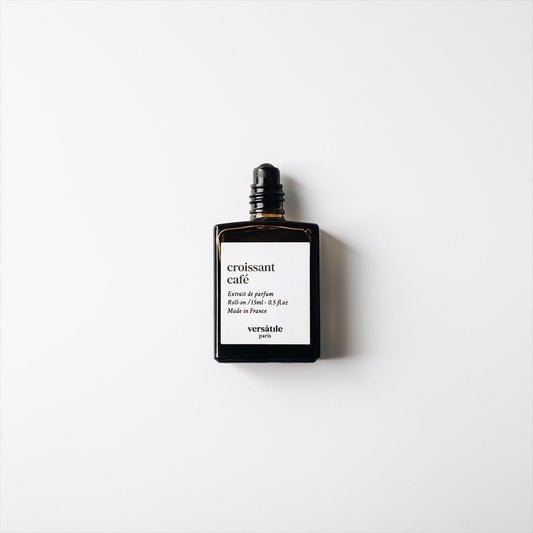
CROISSANT CAFÉ VERSATILE -
Regular priceFrom 24,00 €Regular priceSale priceFrom 24,00 €Unit priceper
Woody, Gourmand
10 ml · 2,40 €/ml
Patchouli Mania ESSENTIAL PARFUMS -
Regular price30,00 €Regular priceSale price30,00 €Unit priceper
500 ml · 0,06 €/ml
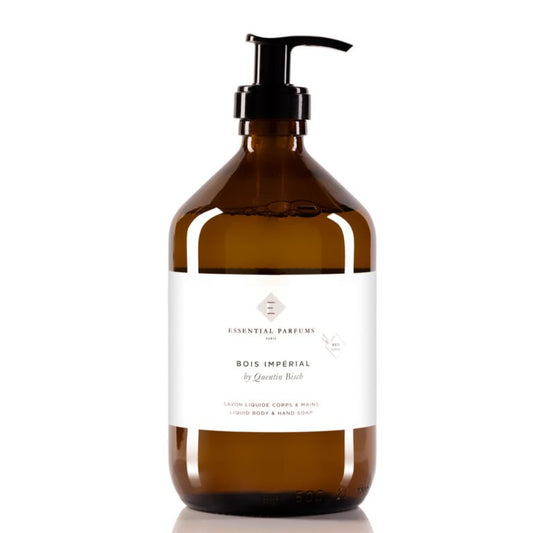
Bois Impérial - Savon Liquide Corps & Mains 500 ml ESSENTIAL PARFUMS -
Regular priceFrom 24,00 €Regular priceSale priceFrom 24,00 €Unit priceper
Woody, Spicy
100 ml · 0,94 €/ml
Bois Impérial ESSENTIAL PARFUMS -
Regular price180,00 €Regular priceSale price180,00 €Unit priceper
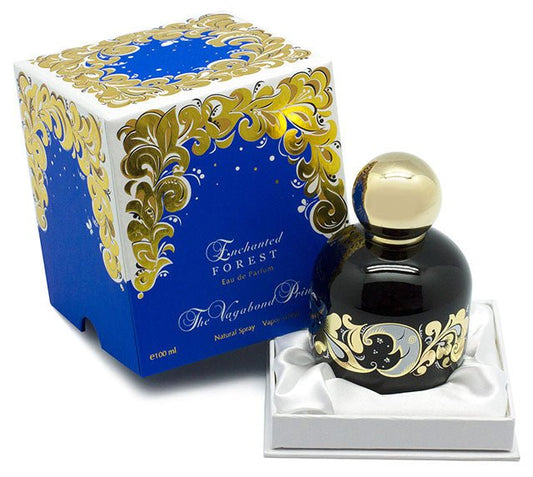
Woody, Aromatic
100 ml · 1,80 €/ml
Enchanted Forest THE VAGABOND PRINCE -
Regular priceFrom 45,00 €Regular priceSale priceFrom 45,00 €Unit priceper
Gourmand, Vanilla
75 ml · 2,13 €/ml
Fire at Will JOVOY PARFUMS -
Regular priceFrom 160,00 €Regular priceSale priceFrom 160,00 €Unit priceper
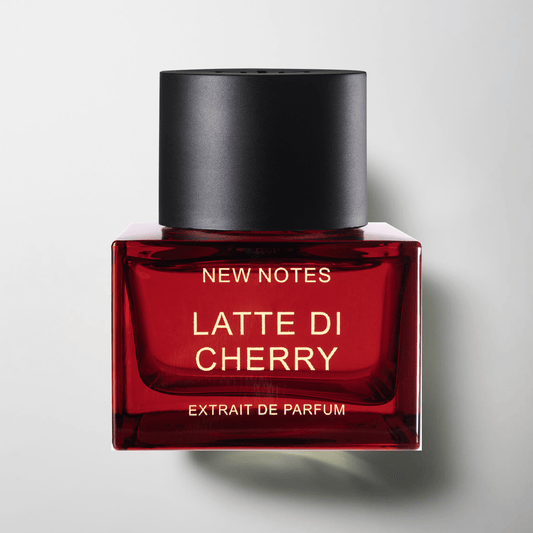
Fruity, Gourmand, Floral
50 ml · 3,20 €/ml
Latte di Cherry NEW NOTES -
Regular price170,00 €Regular priceSale price170,00 €Unit priceper
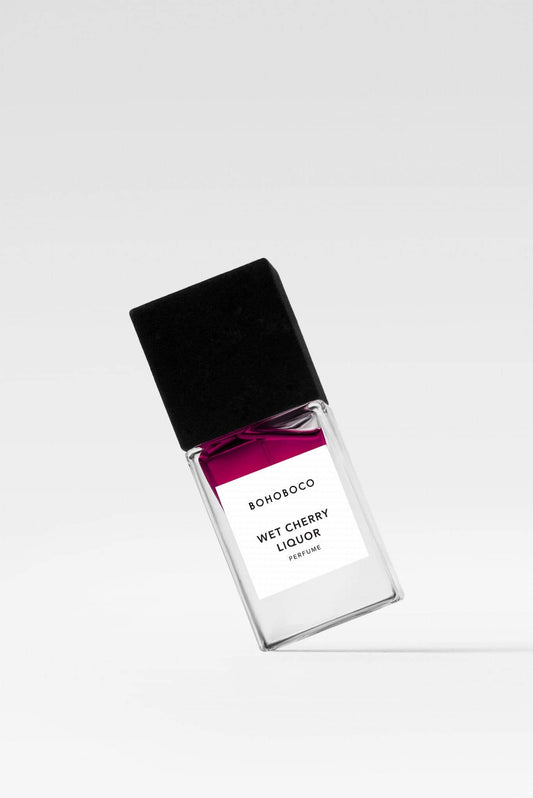
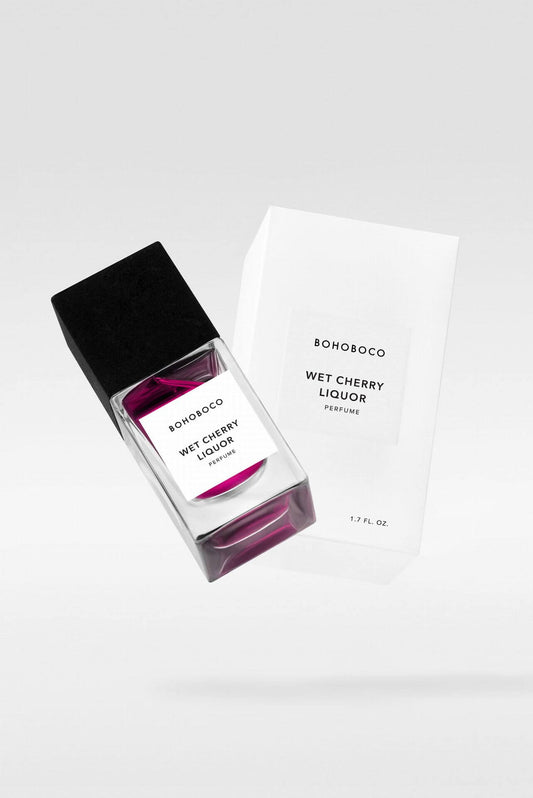
Fruity, Gourmand
50 ml · 3,40 €/ml
WET CHERRY • LIQUOR BOHOBOCO -
Regular priceFrom 220,00 €Regular priceSale priceFrom 220,00 €Unit priceper
Woody, Spicy
50 ml · 4,40 €/ml
Bois du Portugal CREED -
Regular priceFrom 180,00 €Regular priceSale priceFrom 180,00 €Unit priceper
Floral, Musky
75 ml · 3,80 €/ml
VALAYA PARFUMS DE MARLY -
Regular priceFrom 210,00 €Regular priceSale priceFrom 210,00 €Unit priceper
Floral, Oriental
50 ml · 4,20 €/ml
Opera XERJOFF -
Regular price200,00 €Regular priceSale price200,00 €Unit priceper
Woody, Musky
50 ml · 4,00 €/ml
Raphael SORA DORA































24 of 154 products
Your fragrance profile
Not sure which fragrance is for you?
Answer a few questions on the scents you love and those you avoid: we suggest the fragrances that suit you, in this house and beyond.


The story