Skip to content
Language
Country/region
Search
Cart

Grapefruit Perfume zesty, bitter and tonic citrus

The freshest and most bitter of citruses, grapefruit distils a tonic, slightly musky vivacity that opens aquatic and aromatic compositions with solar energy. A quintessentially contemporary note, it embodies olfactory modernity. Grapefruit fragrances, from marine freshness to the most dynamic floral and aromatic compositions.

All grapefruit perfumes

Sort by:
Best selling
Sort by:
Filter and sort Close
Sort by:
Filter by:
  • $00 Product Title 3 colors
  • $00 Product Title 3 colors
  • $00 Product Title 3 colors
  • $00 Product Title 3 colors
  • $00 Product Title 3 colors
  • $00 Product Title 3 colors
  • $00 Product Title 3 colors
  • $00 Product Title 3 colors

Grapefruit in perfumery: the sulphurous citrus

A cold-pressed peel, and a handful of sulphur molecules

Citrus paradisi appeared in the West Indies from a spontaneous cross between the Asian pomelo tree and the orange tree, and is grown today in Florida, Israel, South Africa and Brazil. As with every citrus, only the peel matters: it is cold-pressed to release the essence held in tiny pockets, never the pulp. The resulting essence is not an expensive material, and that is not where the difficulty lies. What makes grapefruit recognisable accounts for only a minute fraction of the essence: thiols, sulphur molecules present in trace amounts, which on their own carry the impression of fresh juice. A note on vocabulary along the way: what perfumery calls grapefruit is botanically the pomelo, Citrus paradisi. The true pamplemousse, Citrus maxima, is a different fruit, larger and sweeter, and almost absent from the palette.

What does grapefruit smell like?

Of citrus juice just squeezed: green, tart, with a frank bitterness that stays in the background. It is more bitter than orange, less cutting than lemon, less round and less floral than bergamot. Its real signature, though, is not its acidity but its sulphurous facet, which gives that sense of a fruit opened a moment ago. The thiols that carry it belong to the same family of molecules as those in blackcurrant bud — and they carry the same risk: at high doses, the sensation of fresh juice tips towards sweat. That is the limit every perfumer working this note knows, and the reason grapefruit is almost always dosed with restraint.

Grapefruit perfumes at Le Soleil d'Or

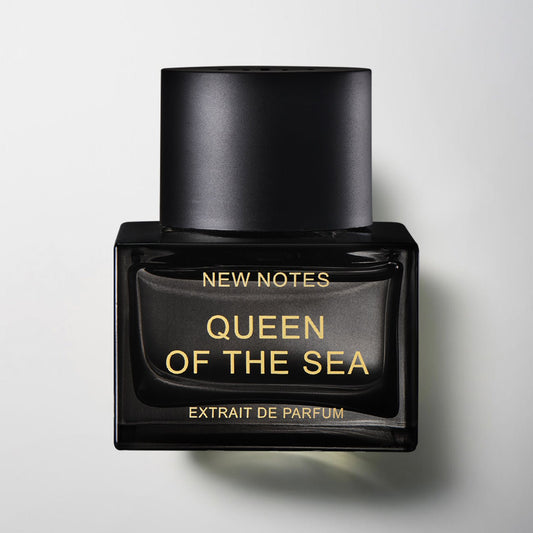
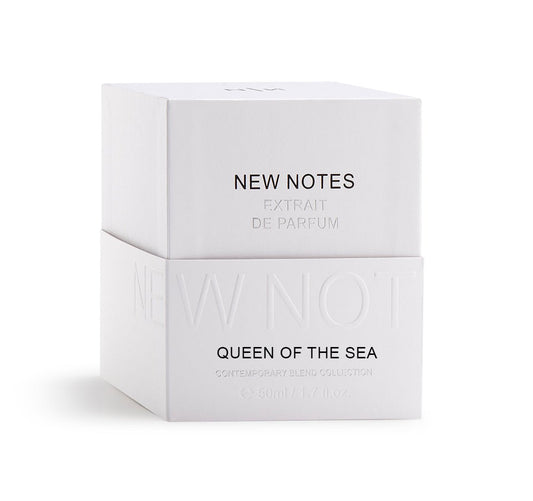
Pomelo Riviera by Atelier des Ors, signed by Marie Salamagne, gives the most head-on reading: the zest held by a salty accord and by orange blossom. Eau d'Hadrien by Goutal sets it in a classic citrus composition, alongside Sicilian lemon and cypress. 21 Conduit St by Jovoy, composed by Marie Schnirer, pushes it towards the woody aromatic, with rhubarb and lavender. At Jeroboam, Vespero uses it as a counterpoint to a leathery and musky base, and Queen of the Sea by New Notes places it in an aquatic, rosy setting.

Grapefruit accords and fragrance families

Grapefruit belongs first of all to hesperidic perfumes, where it opens alongside bergamot, lemon and petitgrain. Its bitterness makes it more useful still in aromatic perfumes and green perfumes, with mint and ginger. Set over a vetiver or a cedar, it gives those clear woody perfumes that contemporary perfumery keeps multiplying; with pepper and pineapple it makes up the smoky fruity openings popularised since the 2000s. Its most interesting kinship remains blackcurrant, which shares its sulphur chemistry and is often used to stretch its effect a few minutes further.

Who is it for, and when?

Grapefruit is unreservedly unisex, and one of the easiest notes to wear at the office, in meetings or on public transport: it does not weigh, it does not intrude. Its natural ground is spring and summer, and it earns its keep on hot days, when dense bases become hard going. What you should expect in terms of lasting power is another matter: it is the most volatile citrus on the palette, often less than ten minutes at the top, and on warm skin it evaporates faster still. A perfume that smells of grapefruit all day does not exist; what remains after an hour is the heart and the base. Spraying onto clothing extends the effect a little.

How to choose your grapefruit perfume

Never judge on the opening, and ask about the base first: that is what will decide your day. The second point is specific to this note and deserves saying plainly — grapefruit is the material that ages worst. Its sulphurous facet oxidises quickly, and many compositions that make it their subject lose their sparkle within a few months of opening, especially if the bottle lives in a bathroom. A small size you will actually finish, kept away from light and heat, is the better choice. The bespoke discovery box brings together five 2 mL samples composed by hand, each to be worn for a full day. To get your bearings, compare a grapefruit treated as the main subject, Pomelo Riviera, with a grapefruit used as an opening over a woody base, 21 Conduit St.

Grapefruit at Le Soleil d'Or, a Lille perfumery since 1953

Founded in 1953 by Jeanne Muyllaert on the Grand'Place in Lille, Le Soleil d'Or is an independent perfumery passed down from one generation to the next. Hubert Maes (third generation) turned it into a reference for niche perfumery; today his daughters Victorine and Apolline Maes (fourth generation) uphold the same standards at 22 rue de la Clef, Lille (59800). Our team will let you smell the grapefruit perfumes in the catalogue, with expert advice and guided trials, and can point you in the right direction using our guide to fragrance families.

Delivery & free in-store collection in Lille

Within mainland France, Colissimo delivery is free from 49 € to a pickup point and from 79 € to your door. Within Europe, it is free from 90 € to a pickup point and from 120 € to your door; we also ship worldwide. Live in Lille or nearby? Free in-store collection at 22 rue de la Clef is the fastest and most economical option. Full terms on our shipping page.

Frequently asked questions about Grapefruit Perfume

What does grapefruit smell like in perfume?

Of citrus juice just squeezed: green, tart, frankly bitter, with a sulphurous facet that gives the impression of a fruit opened a moment ago. It is more bitter than orange and less cutting than lemon.

Why do grapefruit perfumes turn so quickly?

Because the facet that makes them interesting is also the most fragile. The sulphur molecules that carry the fresh-juice smell oxidise quickly in light and heat, and the citrus essence itself is not very stable. An opened bottle left in a bathroom can lose its sparkle within a few months. Keep it away from light, and prefer a small size you will finish.

Grapefruit and blackcurrant: what is the connection?

A shared chemistry. Both notes rest on thiols, sulphur molecules present in trace amounts, which give that impression of fresh fruit. They also share the same flaw: at high doses the effect tips from juice towards sweat. That is why blackcurrant and grapefruit are always dosed with restraint, and why they are so often found together.

Are pomelo and grapefruit the same thing?

In everyday use and in perfumery, yes: both words refer to Citrus paradisi, the pink or yellow fleshed fruit sold at the market. Botanically, the true pamplemousse is Citrus maxima, a larger, sweeter Asian citrus very rarely used in perfumery. A label reading “pomelo” and another reading “grapefruit” are in practice talking about the same essence.

Which grapefruit perfume for summer?

Look for a composition where the citrus is taken over by an aromatic heart or a light woody base rather than by a dense amber that will reclaim the ground after an hour. Pomelo Riviera by Atelier des Ors is a good way in. In the Lille boutique, the team will let you smell several in a row, which makes the difference immediately legible.