
Note olfactive
Plum Perfume – smoky, oriental fruit
Fruity, slightly smoky and boozy, plum brings a fruity-oriental richness to gourmand and chypre compositions. More complex than other fruits, it introduces a slightly fermented, deep note that gives perfumes character. Plum fragrances, from fruity-gourmand… Read the story
4.9/5 · 10 verified customer reviews
All Plum Perfume products
-
Regular price200,00 €Regular priceSale price200,00 €Unit priceper
Gourmand, Fruity
50 ml · 4,00 €/ml
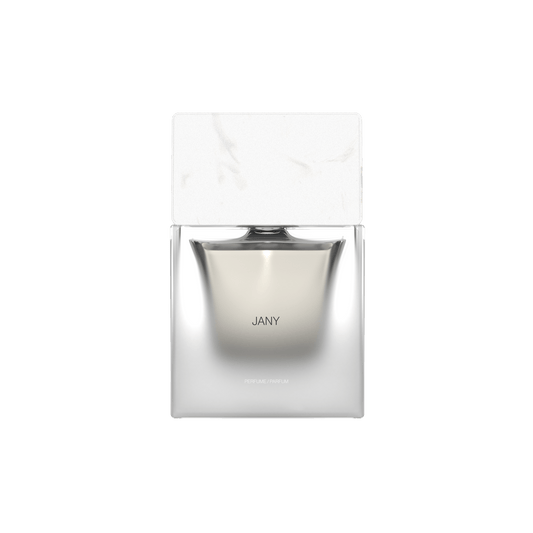
Jany SORA DORA -
Regular price200,00 €Regular price
0,00 €Sale price200,00 €Unit priceperSpicy, Oriental, Amber
100 ml · 2,00 €/ml
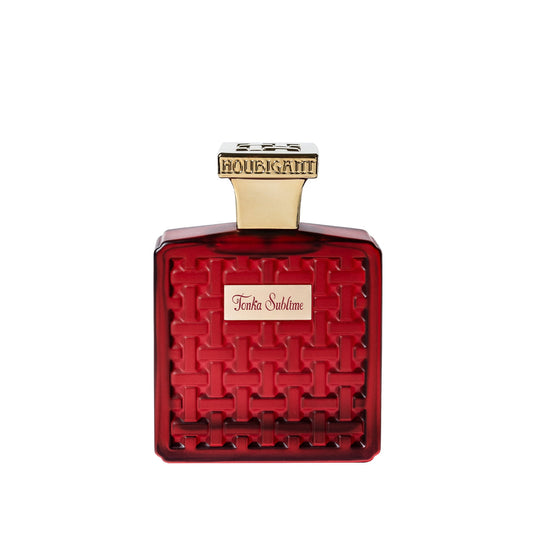
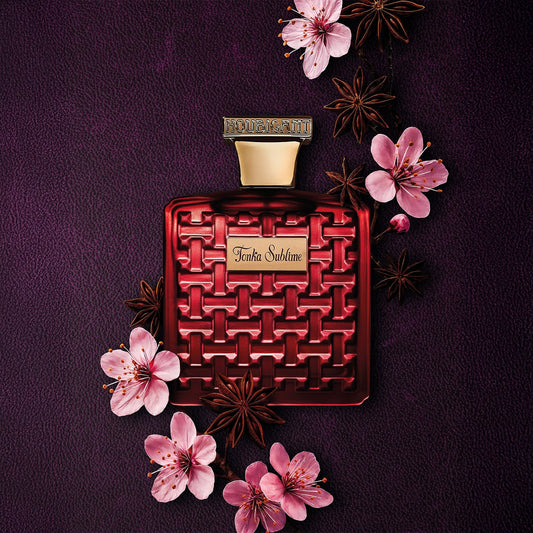
Tonka Sublime HOUBIGANT -
Regular priceFrom 100,00 €Regular priceSale priceFrom 100,00 €Unit priceper
Floral, Woody, Musky
30 ml · 3,33 €/ml
Unue JEROBOAM -
Regular price180,00 €Regular priceSale price180,00 €Unit priceper
Amber, Woody
100 ml · 1,80 €/ml
Amberbomb LABORATORIO OLFATTIVO -
Regular price290,00 €Regular priceSale price290,00 €Unit priceper
Amber, Aromatic
90 ml · 3,22 €/ml
Paragon Extrait INITIO -
Regular price240,00 €Regular priceSale price240,00 €Unit priceper
Oriental, Amber, Vanilla
100 ml · 2,40 €/ml
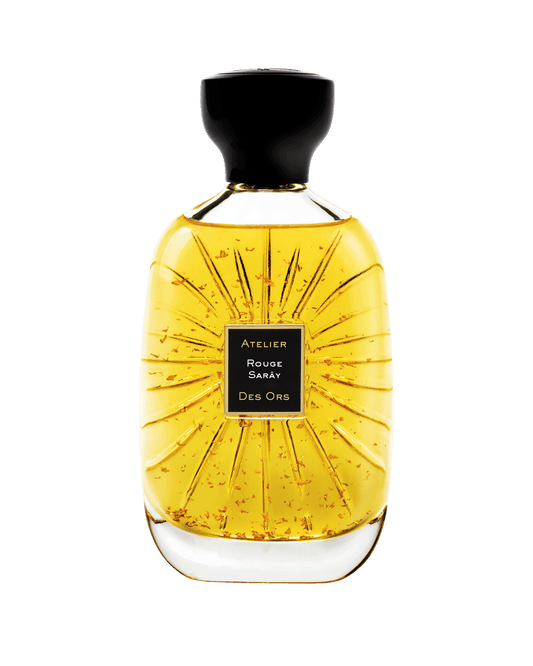
Rouge Sarây ATELIER DES ORS -
Regular priceFrom 145,00 €Regular priceSale priceFrom 145,00 €Unit priceper
Floral, Spicy, Leathery
50 ml · 2,90 €/ml
ROSE CANNELLE LA CLOSERIE DES PARFUMS -
Regular priceFrom 162,00 €Regular priceSale priceFrom 162,00 €Unit priceper
Woody, Oriental, Gourmand
50 ml · 3,24 €/ml
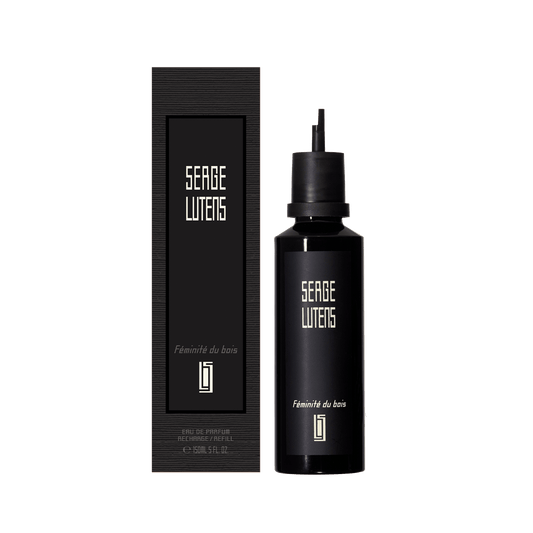
Féminité du bois SERGE LUTENS -
Regular price285,00 €Regular priceSale price285,00 €Unit priceper
Fruity, Floral
75 ml · 3,80 €/ml
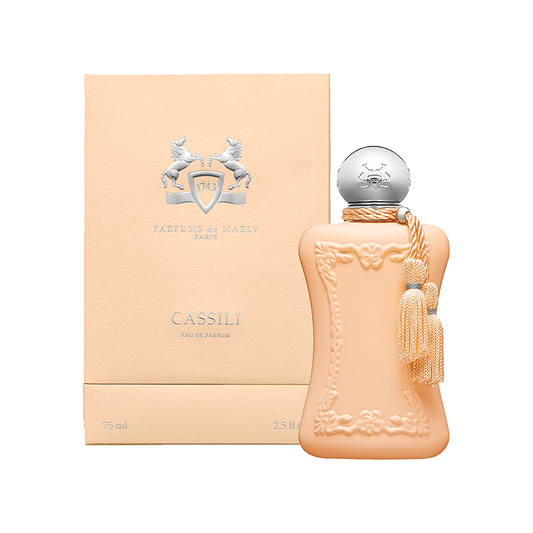
CASSILI PARFUMS DE MARLY -
Regular price256,00 €Regular priceSale price256,00 €Unit priceper
Woody, Oriental, Gourmand
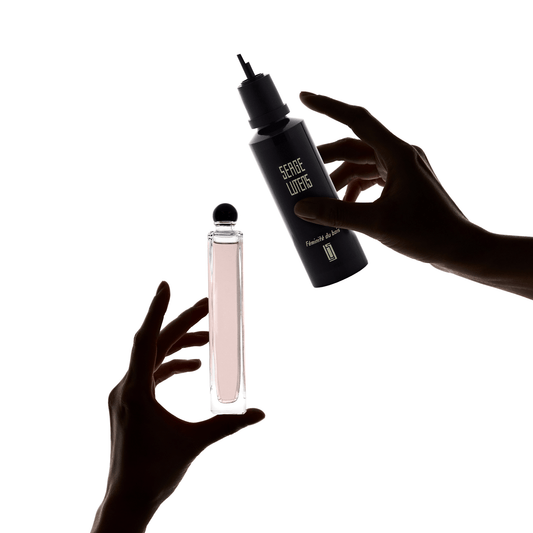
150 ml · 1,71 €/ml
Recharge Féminité du Bois SERGE LUTENS -
Regular priceFrom 145,00 €Regular priceSale priceFrom 145,00 €Unit priceper
Amber, Woody
50 ml · 2,90 €/ml
Vanille des Roches Annick Goutal -
Regular price55,00 €Regular priceSale price55,00 €Unit priceper
Spicy, Woody
15 ml · 3,67 €/ml
OH MY CHAÏ VERSATILE -
Regular price285,00 €Regular priceSale price285,00 €Unit priceper
Floral, Amber
50 ml · 5,70 €/ml
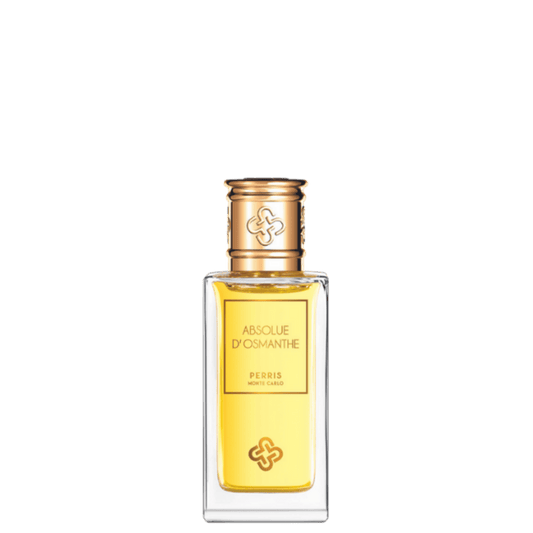
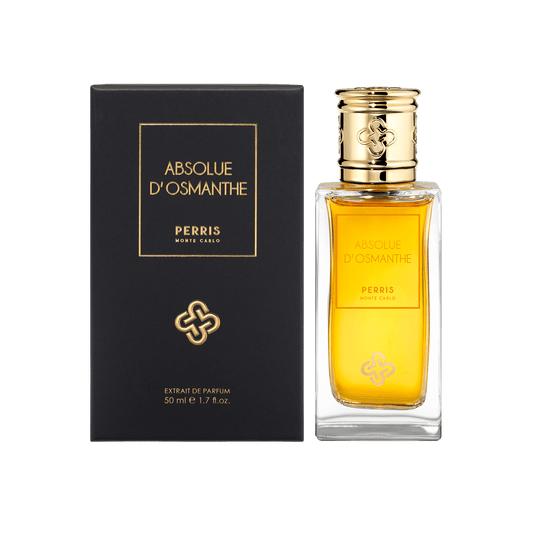
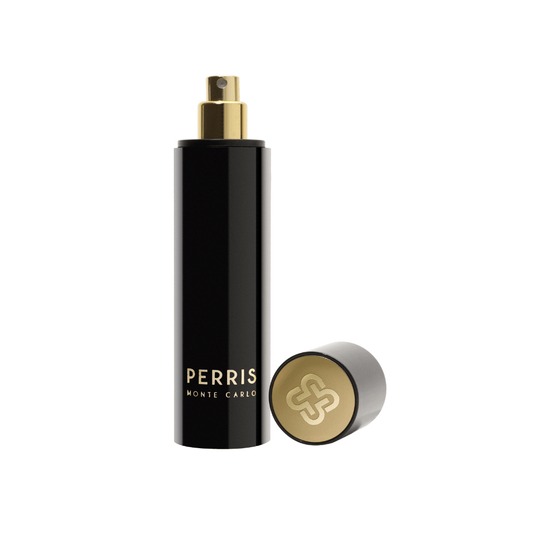
Absolue d’Osmanthe - Extrait de Parfum PERRIS MONTE CARLO -
Regular priceFrom 120,00 €Regular priceSale priceFrom 120,00 €Unit priceper
Floral, Fruity
50 ml · 2,40 €/ml
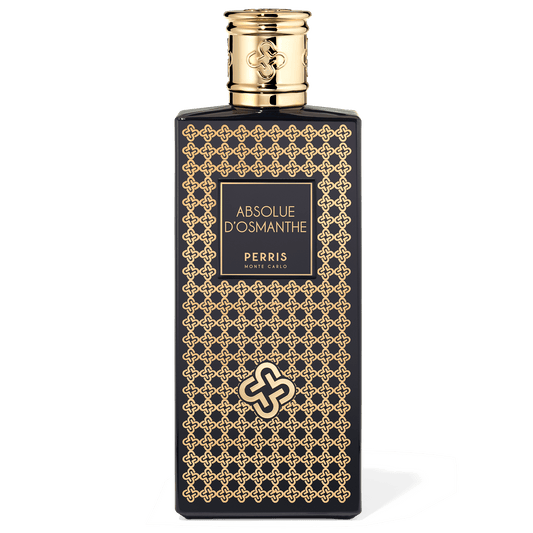
Absolue d’Osmanthe PERRIS MONTE CARLO -
Regular price290,00 €Regular priceSale price290,00 €Unit priceper
Floral, Fruity
75 ml · 3,87 €/ml
Acqua Fiorentina CREED -
Regular price160,00 €Regular priceSale price160,00 €Unit priceper
Floral, Fruity, Gourmand
75 ml · 2,13 €/ml
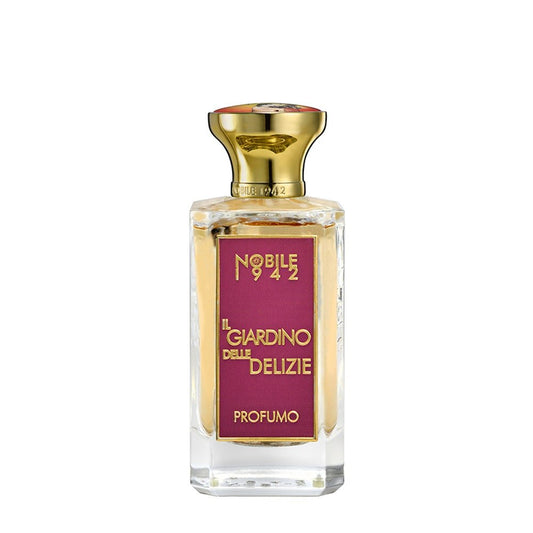
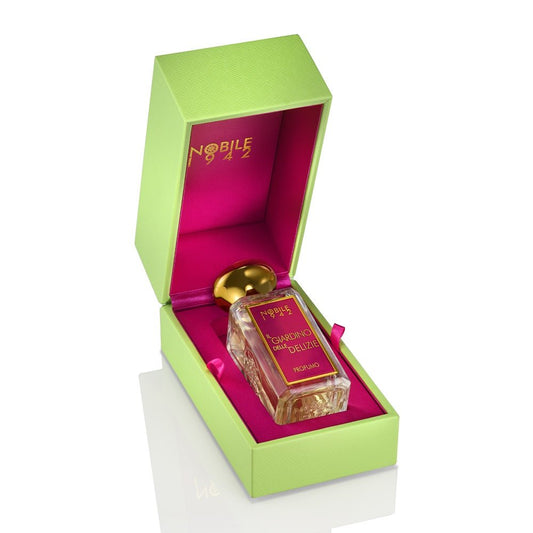
Il Giardino delle Delizie NOBILE 1942 -
Regular price225,00 €Regular priceSale price225,00 €Unit priceper
Amber, Spicy
100 ml · 2,25 €/ml
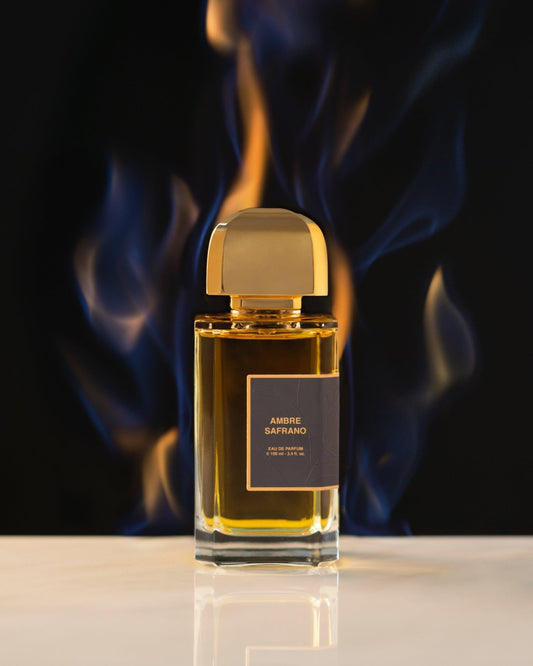
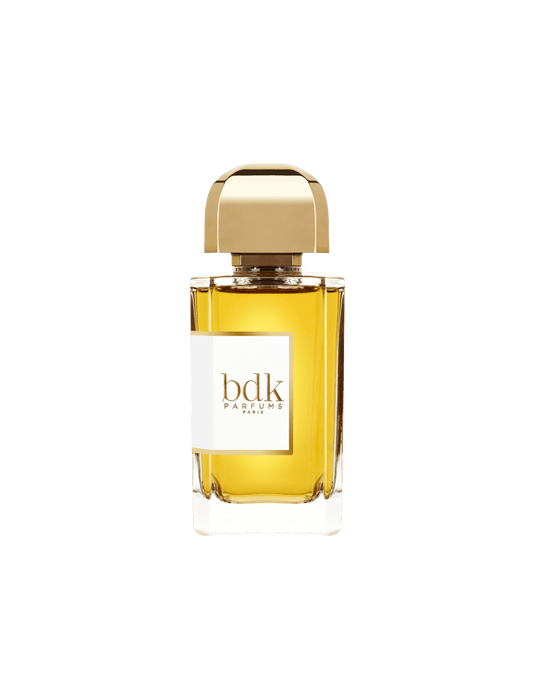
Ambre Safrano BDK PARFUMS -
Regular price255,00 €Regular priceSale price255,00 €Unit priceper
Fruity
75 ml · 3,40 €/ml
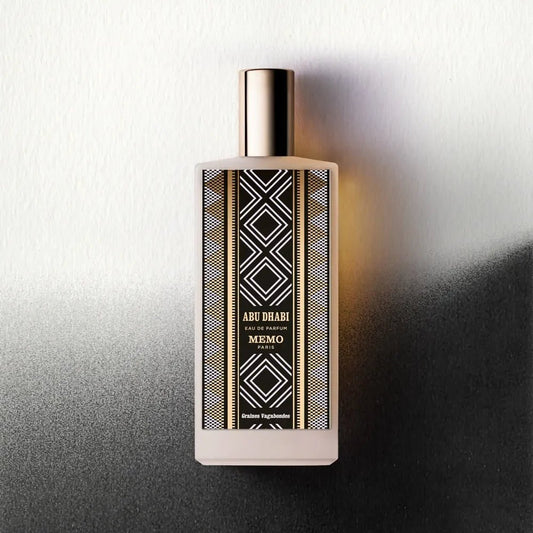
Abu Dhabi MEMO -
Regular price80,00 €Regular priceSale price80,00 €Unit priceper
Woody, Amber, Spicy
Bougie Taxi Minuit - 250g BDK PARFUMS -
Regular price170,00 €Regular priceSale price170,00 €Unit priceper
Leathery, Oriental
50 ml · 3,40 €/ml
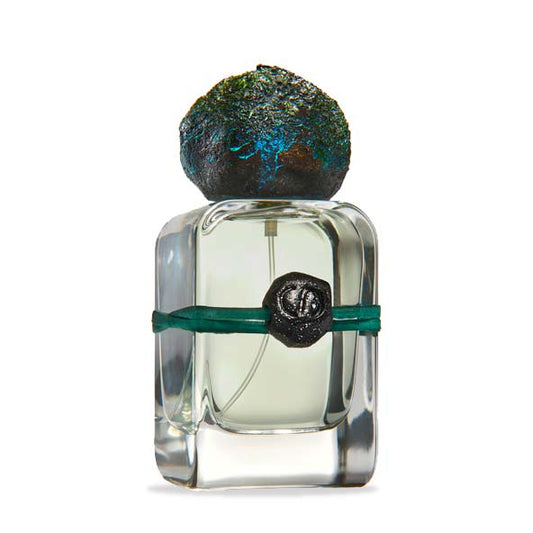
PLUM • SPRAY PAINT BOHOBOCO -
Regular price250,00 €Regular priceSale price250,00 €Unit priceper
Fruity, Floral, Woody
100 ml · 2,50 €/ml
Sirio MENDITTOROSA -
Regular price102,00 €Regular price
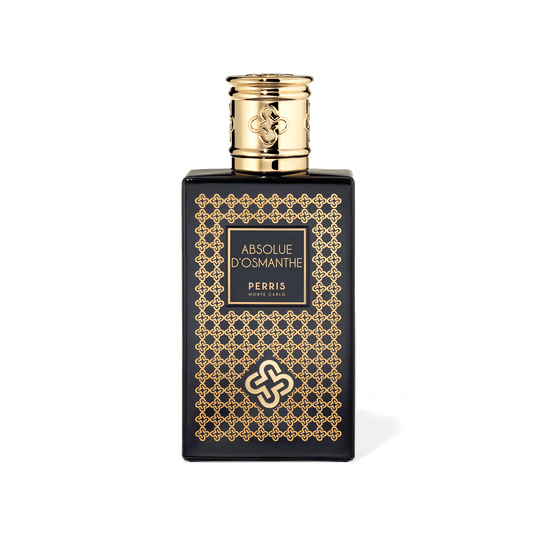
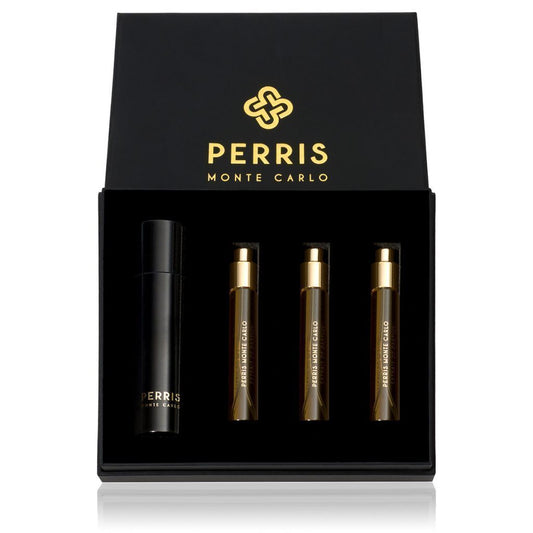
170,00 €Sale price102,00 € -40%Unit priceperAbsolue d'Osmanthe - Kit voyage PERRIS MONTE CARLO -
Regular price225,00 €Regular priceSale price225,00 €Unit priceper
Woody, Floral
100 ml · 2,25 €/ml
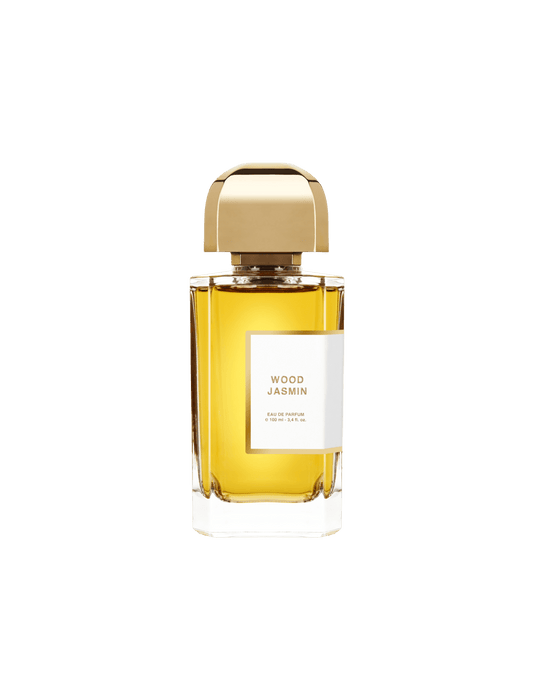
Wood Jasmin BDK PARFUMS















23 of 23 perfumes
Your fragrance profile
Not sure which fragrance is for you?
Answer a few questions on the scents you love and those you avoid: we suggest the fragrances that suit you, in this house and beyond.


The story