Skip to content
Language
Country/region
Search
Cart

Lily of the Valley Perfume green, springtime floral

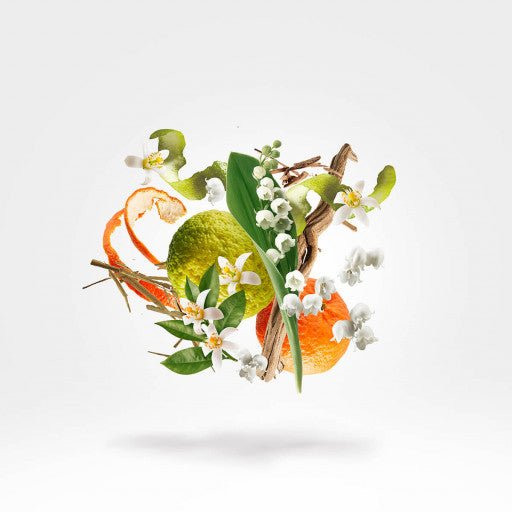
The quintessential May Day flower, lily of the valley unfurls green floral accords, slightly aquatic and of an incomparable spring freshness. A constructed note that embodies floral lightness and purity with uncanny accuracy. Lily of the valley fragrances, from green, spring floral to white floral compositions of unforgettable delicacy.

All lily of the valley perfumes

Sort by:
Best selling
Sort by:
Filter and sort Close
Sort by:
Filter by:
  • $00 Product Title 3 colors
  • $00 Product Title 3 colors
  • $00 Product Title 3 colors
  • $00 Product Title 3 colors
  • $00 Product Title 3 colors
  • $00 Product Title 3 colors
  • $00 Product Title 3 colors
  • $00 Product Title 3 colors

Lily of the valley in perfumery: a flower that cannot be extracted

A mute flower: there is nothing to distil

Lily of the valley is the textbook case of what perfumery calls a mute flower: one that scents the whole garden and whose smell nobody knows how to capture. Convallaria majalis holds very little odorous material, and the little it holds survives neither distillation nor solvent extraction — what you get is a green paste that does not smell of lily of the valley. There is therefore no essence and no absolute: what you smell in a bottle is always a reconstitution, an assembly of molecules each carrying one piece of the odour. The first of them is hydroxycitronellal, isolated at the end of the 19th century, which made Diorissimo possible in 1956 and still serves as the backbone of most lily of the valley accords — it appears in plain sight on the ingredient list of classics such as Caron's Muguet du Bonheur. From the 1970s onwards, analysing the air around the living flower made it possible to know precisely what had to be imitated, and the reconstitutions grew finer.

What does lily of the valley smell like?

Of a snapped green stem and of water, first of all: a white flower with no heaviness, fresh, almost watery, with a faintly soapy facet that explains its reputation as a clean note. It has neither the animalic edge of jasmine nor the fleshy density of tuberose; set against orange blossom it is greener and less honeyed, and against peony, cleaner and less rosy. One thing worth knowing: the lily of the valley of perfumery does not smell exactly like the flower in the garden, it smells like the idea we have of it. On skin it stays discreet, lasts a few hours and quickly draws close to the body; compositions that claim to keep its brightness all day owe it to the musks or woods that take over.

Lily of the valley perfumes at Le Soleil d'Or

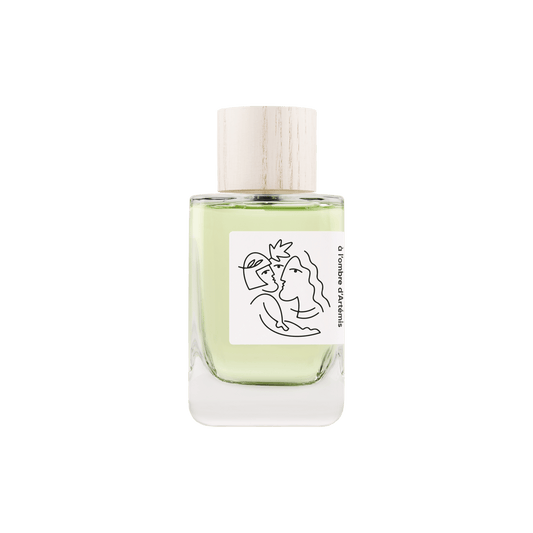
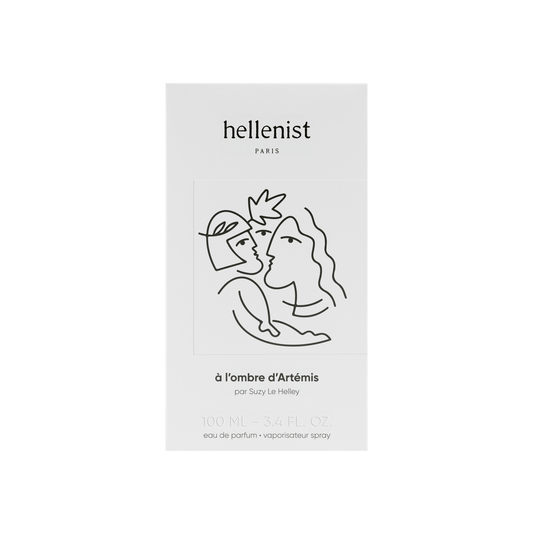
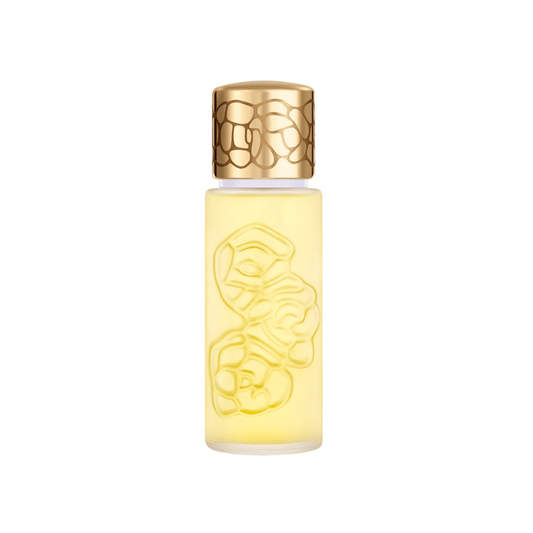
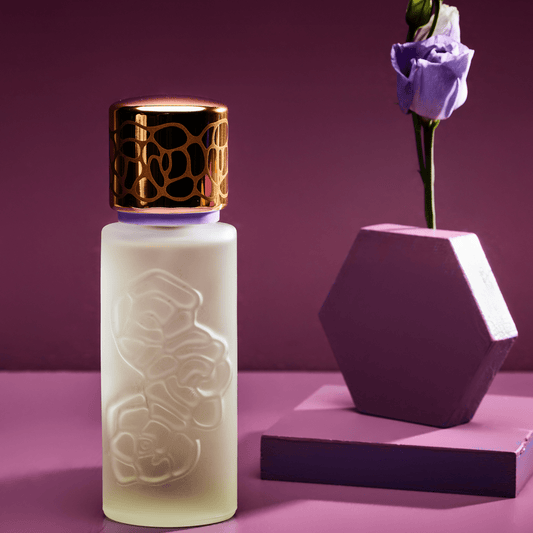
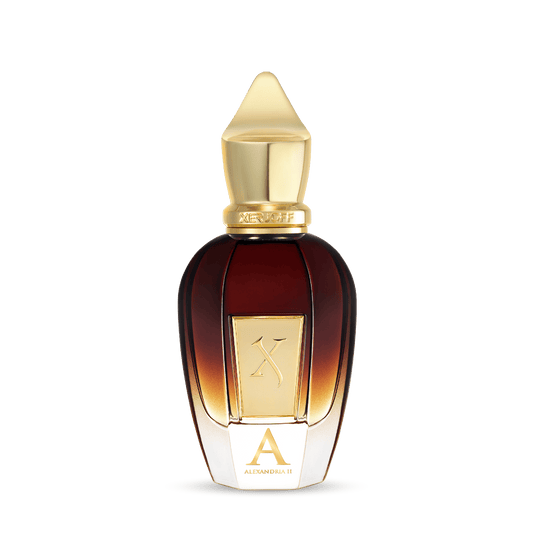
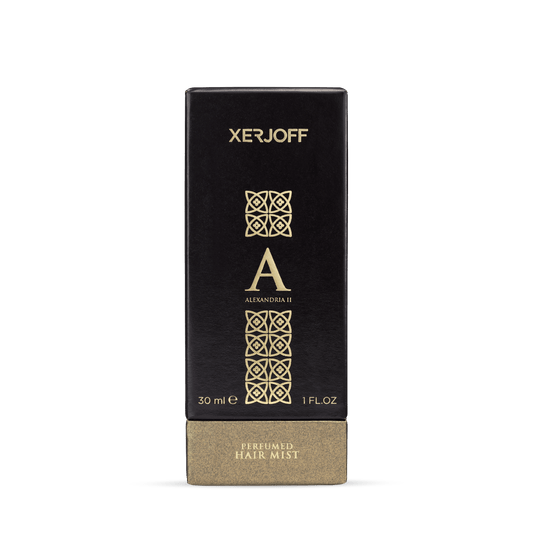
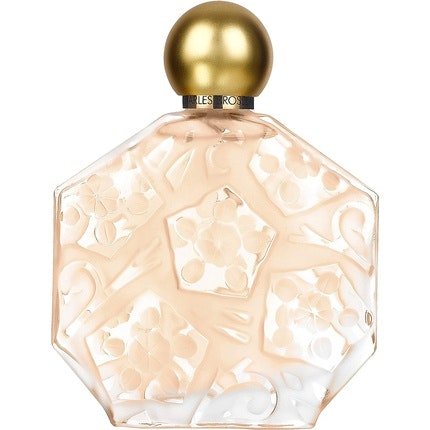
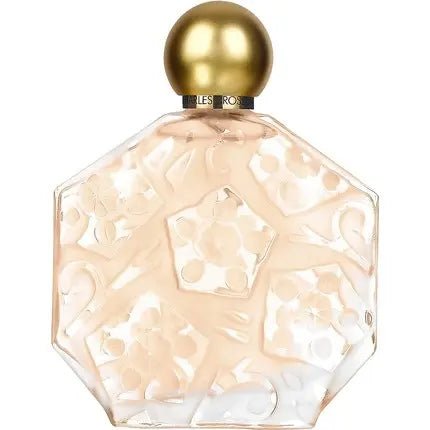
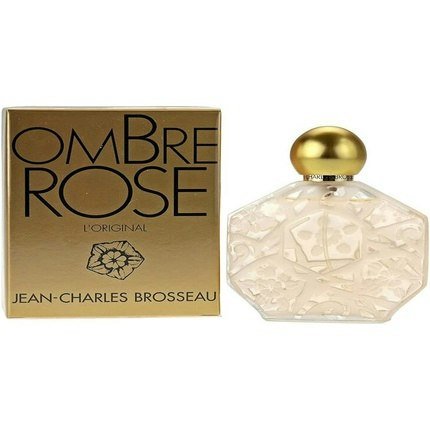
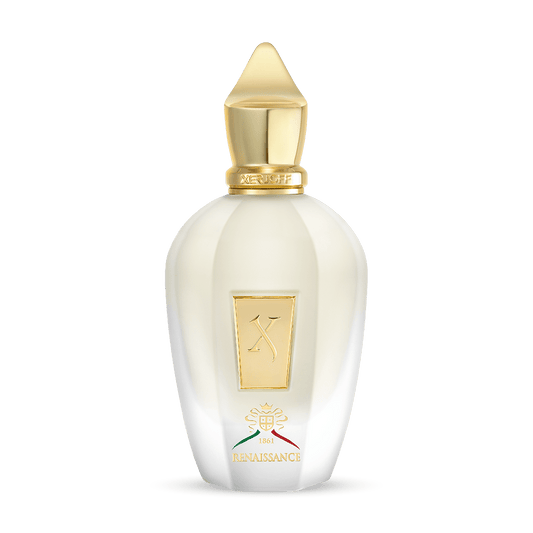
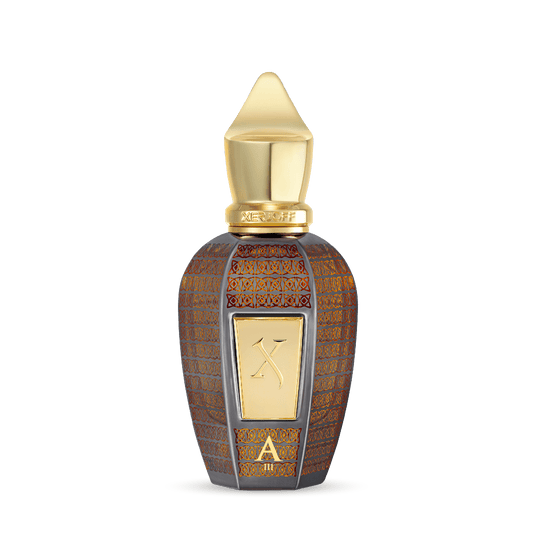
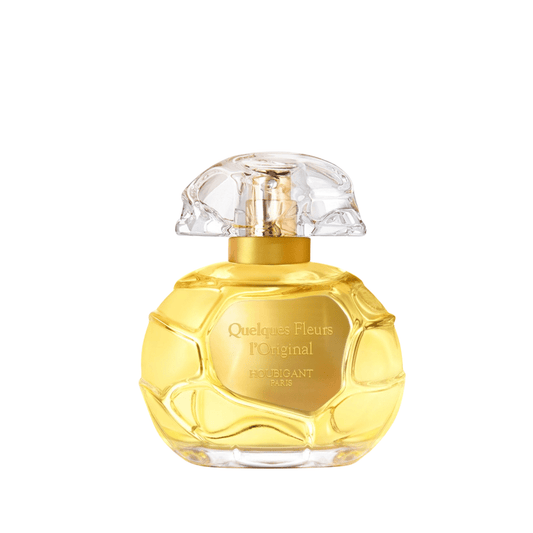
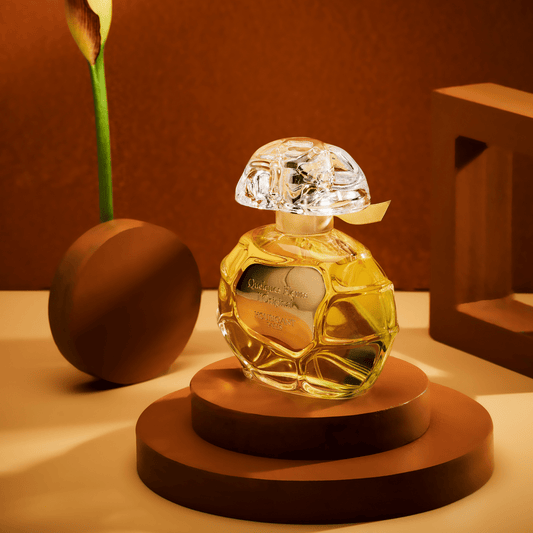
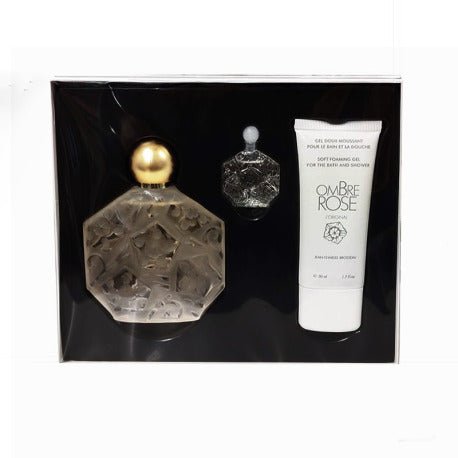
A word first on what you will not find: lily of the valley soliflores, of the Muguet du Bonheur kind, have become rare, and the note is now met almost always as a component of a formula rather than as its subject. That is exactly what makes it interesting to follow from one bottle to the next. Quelques Fleurs L'Original by Houbigant, created in 1912, lodges it in a bouquet where it holds its place beside jasmine, tuberose and violet: this is the historic reading, powdery and woody. A l'ombre d'Artemis by Hellenist, signed by Suzy Le Helley, uses it as a green opening, with blackcurrant, before a heart of fig tree and rose. Eladaria by Creed slips it into a heart of roses, where it brings the freshness that keeps the bouquet from turning heavy. At Xerjoff, Renaissance places it behind an opening of citrus and mint, which gives a clean, cold lily of the valley, while Alexandria II sets it to work at the heart of a woody oriental, between cedar and Bulgarian rose. Finally Ombre Rose L'Original by Jean-Charles Brosseau shows the powdery side of the note, backed by rose and iris.

Lily of the valley accords and fragrance families

Lily of the valley is one of the pillars of floral perfumes, and more precisely of the green florals, where it works with galbanum and the green notes — hyacinth, crushed leaf, cut stem — to give that impression of a damp spring. Set over oakmoss, it opens the floral chypre perfumes; backed by a musk or a sandalwood, it gives clear, easily worn woody perfumes. Its least visible function is also the most common: a few per cent of a lily of the valley reconstitution is enough to make a formula brighter and more “washed”, which is why you will find it in a great many aromatic perfumes and fougere perfumes where nobody would think of looking for a white flower.

Who is it for, and when?

Lily of the valley is unisex in the way it is used — it serves as much to brighten a fougere as to build a floral — but it is still read as feminine in France, where the tradition of giving sprigs on the first of May has fixed the image. It is a spring note, at ease from March to the end of June, and an office note: discreet, never sweet, it does not impose itself in a shared space. Two reservations to know before buying. Its staying power is moderate, and that is structural: the molecules that make lily of the valley are relatively volatile, they carry the effect for three or four hours and then leave the base to decide. And on warm skin the soapy facet rises; what some read as cleanliness, others read as toilet soap.

How to choose your lily of the valley perfume

Start by settling which direction you are after: a green, watery lily of the valley, or a creamy, soapy one melted into a bouquet. The same word covers both, and the gap is audible in three seconds. Try it on skin, not on a blotter: the soapy facet depends a great deal on the wearer. The bespoke discovery box brings together five 2 mL samples composed by hand, each to be worn for a full day. To get your bearings, compare a lily of the valley used as the green opening of a woody floral, A l'ombre d'Artemis, with one melted into an old-fashioned powdery bouquet, Quelques Fleurs L'Original. One last piece of advice, which matters more for this note than for any other: if you are replacing a bottle you wore ten years ago, smell it first. Recent reformulations have changed a great many lily of the valley accords.

Lily of the valley at Le Soleil d'Or, a Lille perfumery since 1953

Founded in 1953 by Jeanne Muyllaert on the Grand'Place in Lille, Le Soleil d'Or is an independent perfumery passed down from one generation to the next. Hubert Maes (third generation) turned it into a reference for niche perfumery; today his daughters Victorine and Apolline Maes (fourth generation) uphold the same standards at 22 rue de la Clef, Lille (59800). Our team will let you smell the lily of the valley perfumes in the catalogue, with expert advice and guided trials, and can point you in the right direction using our guide to fragrance families.

Delivery & free in-store collection in Lille

Within mainland France, Colissimo delivery is free from 49 € to a pickup point and from 79 € to your door. Within Europe, it is free from 90 € to a pickup point and from 120 € to your door; we also ship worldwide. Live in Lille or nearby? Free in-store collection at 22 rue de la Clef is the fastest and most economical option. Full terms on our shipping page.

Frequently asked questions about Lily of the Valley Perfume

What does lily of the valley smell like in perfume?

Of a snapped green stem and of water: a fresh, almost watery white flower, with a soapy facet that earns it its reputation as a clean note. It has neither the animalic edge of jasmine nor the density of tuberose. It does not smell exactly like the flower in the garden, but like the idea we have of it.

Why is there no lily of the valley essence?

Because it is a mute flower. Convallaria majalis holds too little odorous material, and what it holds resists neither distillation nor solvent extraction: the result is a green paste that does not smell of lily of the valley. Every lily of the valley in perfumery is therefore a reconstitution, built on synthetic molecules.

What is Lilial, and why was it banned?

Lilial, or butylphenyl methylpropional, was one of the most widely used molecules for reconstituting lily of the valley. Classified as toxic for reproduction, it has been banned from cosmetic products in the European Union since March 2022. Lyral, another pillar of the genre, had already been banned in 2021 as an allergen. The perfumes we sell comply with the regulation in force.

Has my lily of the valley perfume changed?

Very possibly, and this is the note where it shows most clearly. The successive bans forced houses to reformulate, and a lily of the valley composed today no longer rests on the same palette as one composed ten years ago. The general character is preserved, but texture and staying power often differ. Smell it before replacing a bottle blind.

Which lily of the valley perfume should I start with?

Start with a reading where the note is easy to spot. A l'ombre d'Artemis by Hellenist places it in a green opening, which is the clearest way in. For lily of the valley the old way, melted into a powdery bouquet, Quelques Fleurs L'Original by Houbigant gives the other direction. Soliflores, for their part, have become rare.