Orange blossom in perfumery: one flower, three materials
Neroli, absolute, orange flower water: what separates them
It all starts with the same tree: Citrus aurantium var. amara, the bitter orange, grown in Tunisia, Morocco, Egypt and Calabria. It flowers for a few weeks in spring and the blossoms are picked by hand, early in the morning, because they ferment within hours. Then the paths diverge. Steam-distilling the fresh flowers gives neroli, a clear, green, almost metallic essence — roughly a tonne of flowers for a kilo of essence. The water left in the still is orange flower water, the one used in baking, a by-product of that distillation. Solvent extraction, on the other hand, gives a concrete and then an absolute: darker, more honeyed, loaded with indoles, with an animalic facet that steam destroys. It is that absolute that perfumery most often calls “orange blossom”. The same tree also provides petitgrain, distilled from the leaves and twigs.
What does orange blossom smell like?
Of a sunlit white flower, sweet and bitter at once, with a smell of honey and wax that rises as it dries. The most useful comparison remains neroli: neroli is bright, green, almost hesperidic, running towards orange and zest; orange blossom absolute is heavier, fleshier, almost jammy. Against jasmine it is less narcotic and fresher; against tuberose it is far less camphorous and far less overwhelming. The indoles it contains are what throws people most: at high doses they give a dirty, almost animalic impression that some read as sensuality and others as a flaw. On skin it lasts much longer than you would expect from a white flower.
Orange blossom perfumes at Le Soleil d'Or
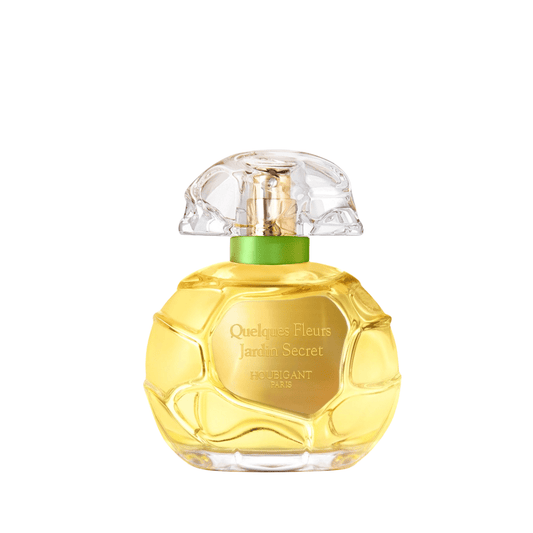
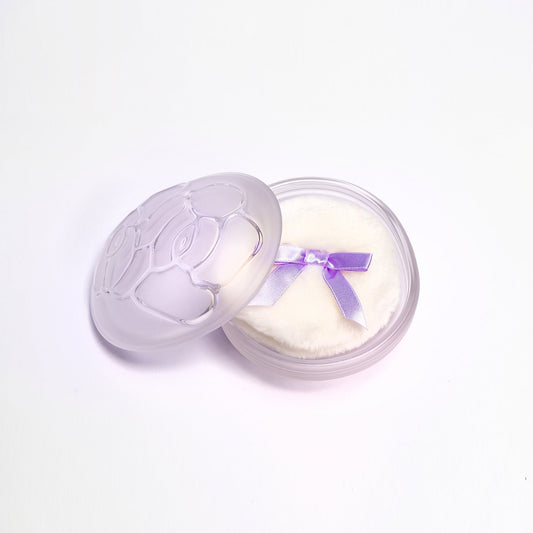
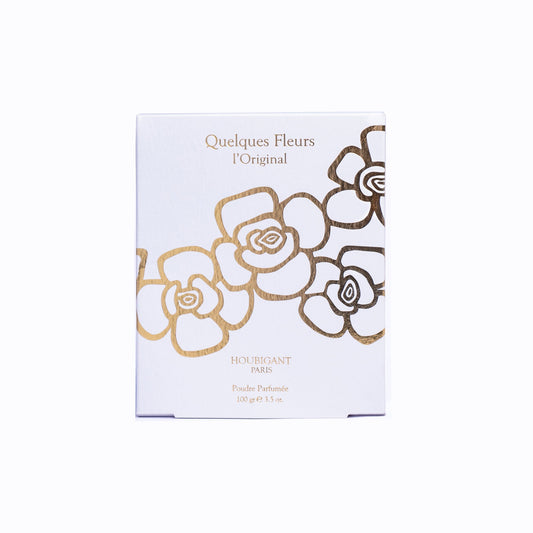
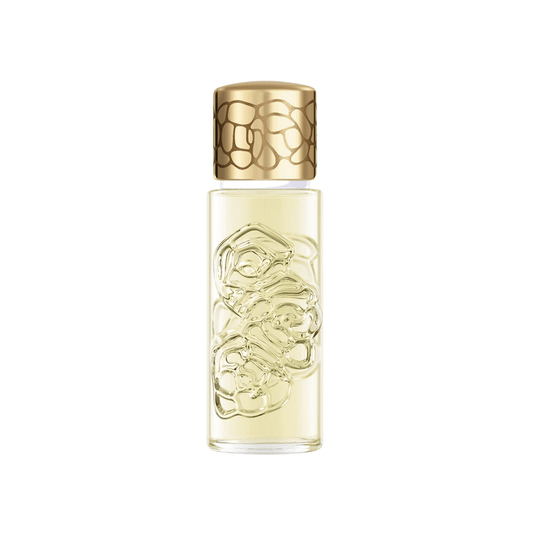
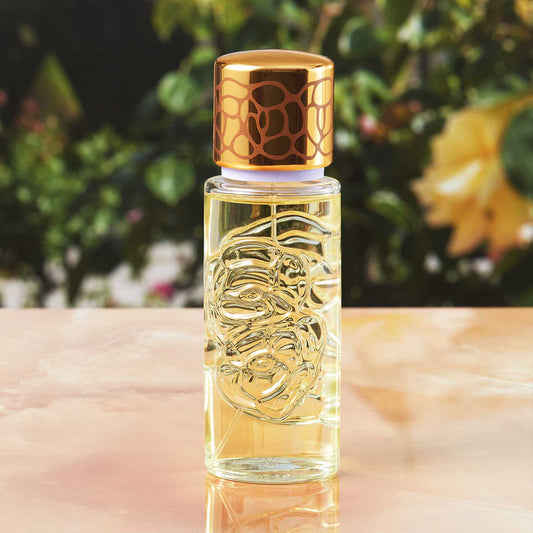
Neroli Botanica by Essential Parfums, composed by Anne Flipo, gives the brightest version: turmeric, ginger and peppers lift a sunlit, androgynous orange blossom. At the other end, Contre ta Peau by Chambre52, signed by Caroline Dumur, wraps it around vanilla and an animalic accord — this is the indolic reading, the skin one. Battito d'Ali by Profumum Roma sets it on a powdery cocoa softened with myrrh, L'Eau d'Or Dort by Fascent takes it towards a very clear musky hesperidic, and Quelques Fleurs L'Original by Houbigant, created in 1912 by Robert Bienaime, melts it into a large bouquet where it is only one voice among many.
Orange blossom accords and fragrance families
It is first of all a note for floral perfumes, where it pairs with jasmine, tuberose and iris. With neroli, petitgrain and bergamot it composes the Mediterranean hesperidic perfumes and the classic eaux de Cologne. Its honeyed side makes it valuable in oriental perfumes and amber perfumes, set on a vanilla, a benzoin or a musk that extend its warmth. With cocoa or honey it tips towards gourmand perfumes; over a sandalwood or a vetiver it gives luminous woody perfumes.
Who is it for, and when?
Orange blossom passes for a feminine note in France because it is tied to the orange flower water of the pastry shop and to childhood eaux de toilette; in niche perfumery it is frankly unisex, and the neroli readings are among those most worn by men. It shows at its best in spring and summer, when warmth opens its sunlit facets, and the vanilla or amber versions hold up very well in winter. Two things to know before buying. First: the absolute amplifies a great deal on warm skin, and what seemed gentle on the bottle can turn heady after an hour. Second: neroli is volatile, and a perfume built around it alone fades fast — the lasting power always comes from what has been put underneath.
How to choose your orange blossom perfume
Start by settling which of the two materials you want, because the same word covers two very different smells. If you are after fresh, green, zesty, what you are actually after is a neroli. If you are after honeyed, fleshy, faintly dirty, you are after an absolute. Try it on skin and wait at least an hour: indoles do not reveal themselves on a blotter. The bespoke discovery box brings together five 2 mL samples composed by hand, each to be worn for a full day. To get your bearings, compare a bright, spiced orange blossom such as Neroli Botanica with an orange blossom melted into vanilla such as Contre ta Peau.
Orange blossom at Le Soleil d'Or, a Lille perfumery since 1953
Founded in 1953 by Jeanne Muyllaert on the Grand'Place in Lille, Le Soleil d'Or is an independent perfumery passed down from one generation to the next. Hubert Maes (third generation) turned it into a reference for niche perfumery; today his daughters Victorine and Apolline Maes (fourth generation) uphold the same standards at 22 rue de la Clef, Lille (59800). Our team will let you smell the orange blossom perfumes in the catalogue, with expert advice and guided trials, and can point you in the right direction using our guide to fragrance families.
Delivery & free in-store collection in Lille
Within mainland France, Colissimo delivery is free from 49 € to a pickup point and from 79 € to your door. Within Europe, it is free from 90 € to a pickup point and from 120 € to your door; we also ship worldwide. Live in Lille or nearby? Free in-store collection at 22 rue de la Clef is the fastest and most economical option. Full terms on our shipping page.