Peach in perfumery: a badly named lactone
Aldehyde C14 is not an aldehyde
This is the single most useful thing to know about the note. Perfumery peach rests on one molecule, gamma-undecalactone, which the trade long called — and still calls — “aldehyde C14”. It is not an aldehyde at all: it is a lactone, an entirely different chemical family. The name comes from an early 20th-century commercial nomenclature in which houses filed new products under a single series without worrying about their real classification; the error stuck in professional usage and is still passed on from one training course to the next. The point to take away is this: there is no natural peach essence in perfumery. Pressing or distilling the fruit yields nothing usable. Every peach is a reconstruction, and that makes it neither less beautiful nor less legitimate.
What does peach smell like?
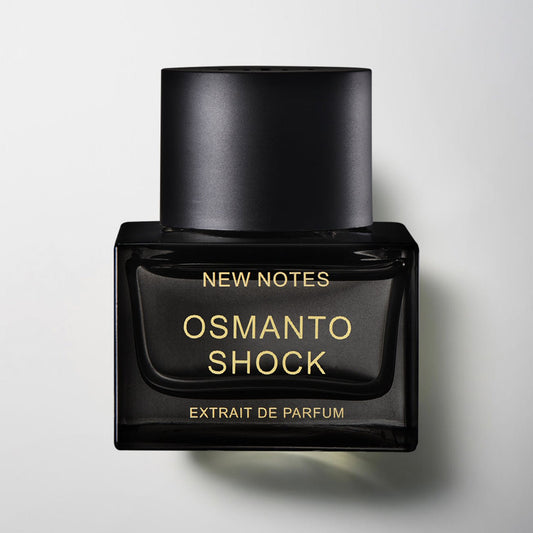
Of a velvety fruit rather than a juicy one: creamy, slightly milky, with a downy-skin facet that is its real signature — you smell the contact with the fruit before you smell its flesh. It is fatter and rounder than apricot, softer and less sharp than apple or raspberry, and very close to osmanthus, a flower that naturally contains neighbouring lactones. What it does when the dose is pushed has to be said plainly: it turns soapy, powdery, frankly old-fashioned. That flaw, and the overuse it suffered in the 1980s, is what saddles peach with its dated image. Used with restraint, there is nothing outdated about it.
Peach perfumes at Le Soleil d'Or
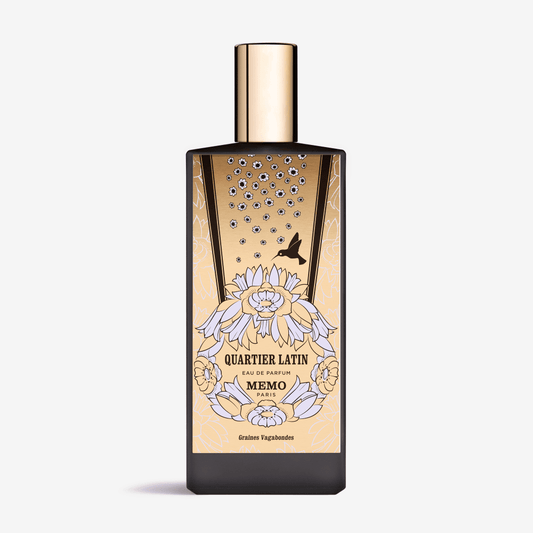
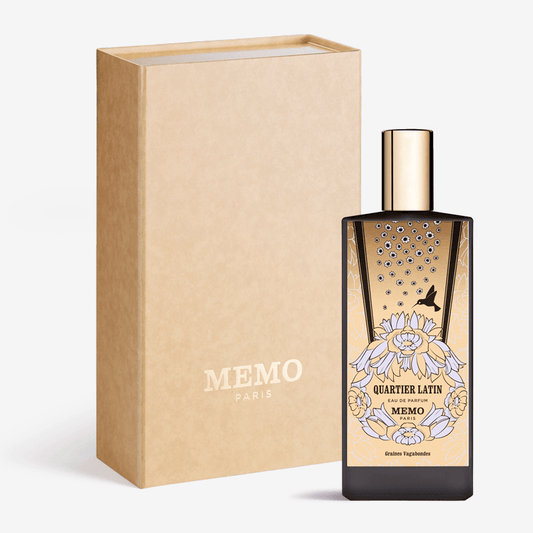
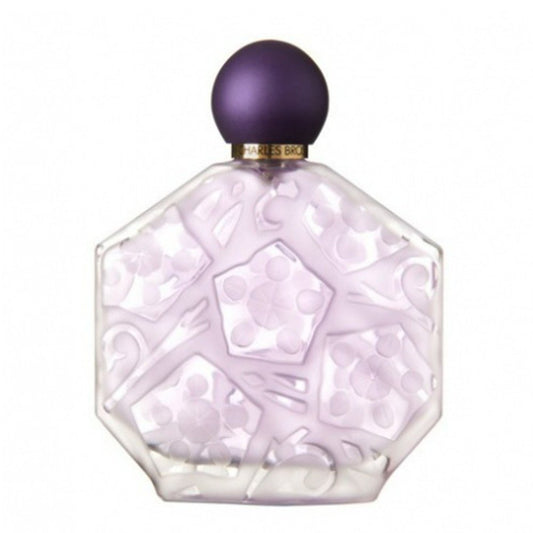
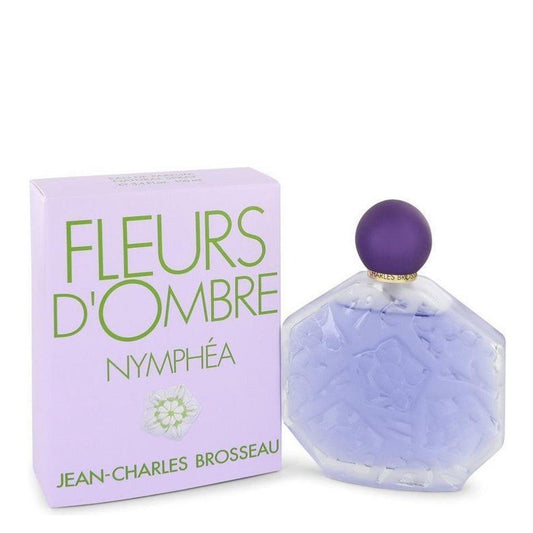
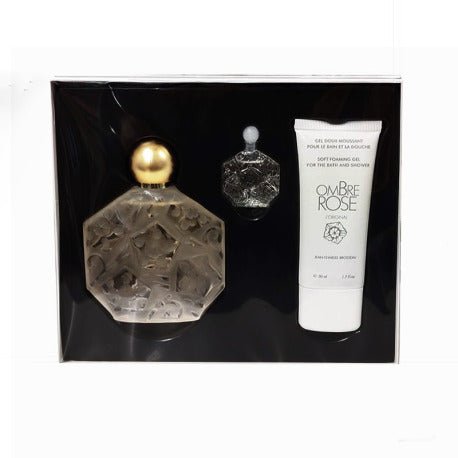
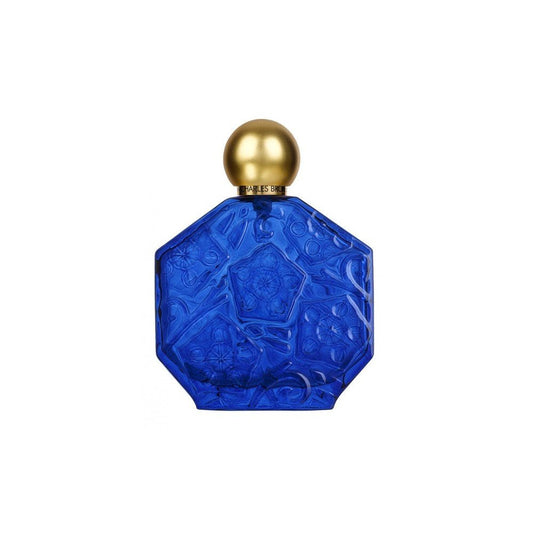
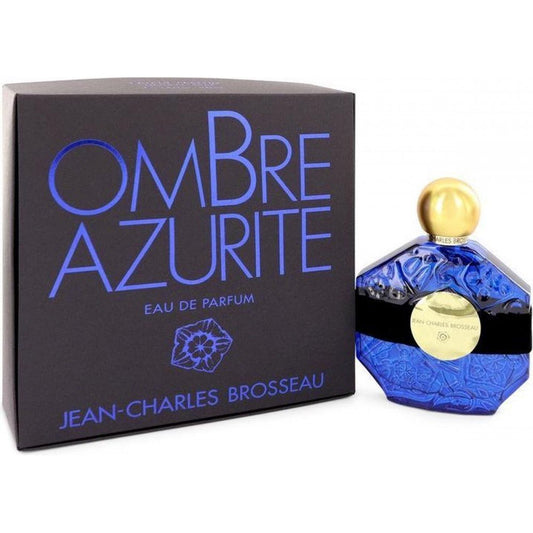
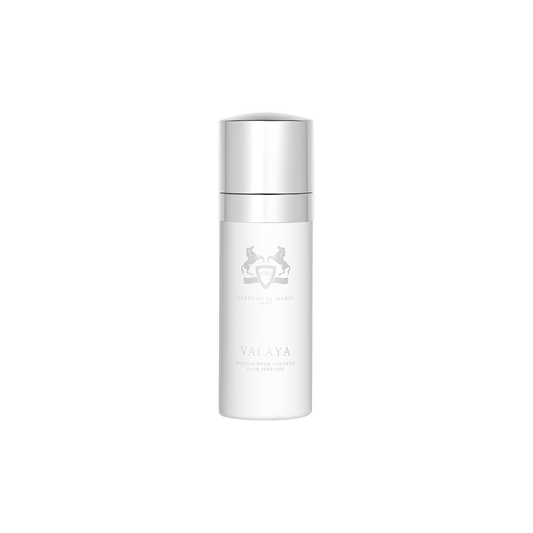
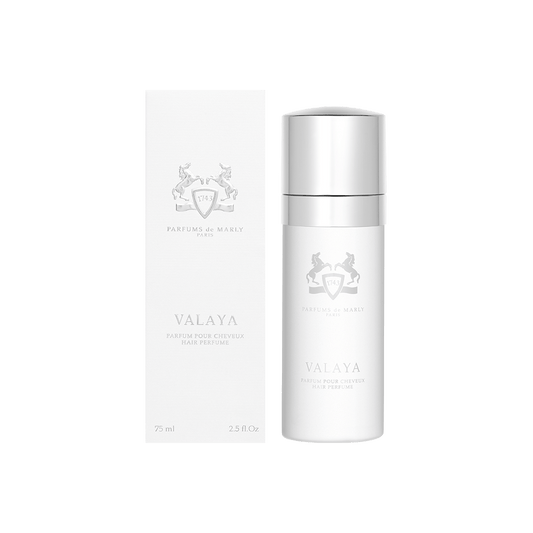
Les bras de Morphee by Hellenist, signed by Suzy Le Helley, pairs it with heliotrope and iris for a downy powder. Patchouli Magnetik Extrait by Maison Crivelli does the opposite: a luminous white peach thrown against a dark patchouli. At Parfums de Marly, VALAYA uses it to round off a citrus opening before a heart of white flowers, and Madurai by Memo Paris, composed by Gael Montero, slips it into an Indian floral of jasmine and tuberose. To smell the original composition, Ombre Rose L'Original by Jean-Charles Brosseau, created in 1981 by Francoise Caron, shows peach in its most powdery use. The house also offers a reading of its own with Mille et une Histoire, signed by Hubert Maes.
Peach accords and fragrance families
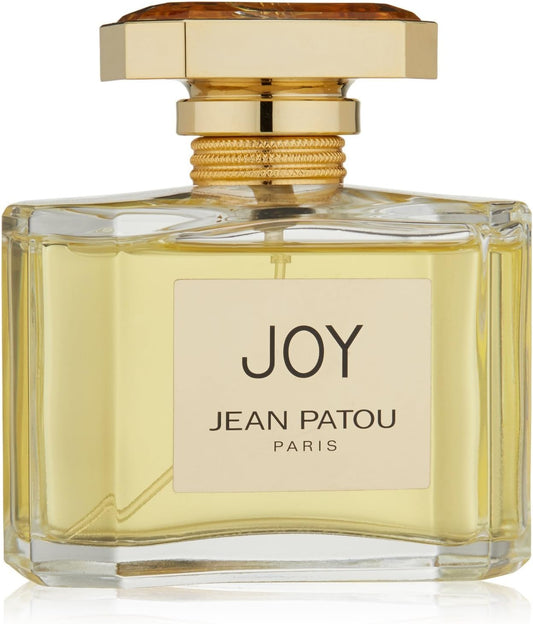
Its historic place is in chypre perfumes: it was peach set over bergamot, oakmoss and patchouli that created, in 1919, the fruity chypre and everything descended from it. Today it is found mainly in fruity perfumes and floral perfumes, where it gives flesh to a bouquet of rose, jasmine or tuberose. Like every lactone it gets along naturally with coconut and vanilla, which opens it to gourmand perfumes; with sandalwood and musk it gives those creamy woody perfumes worn like a second skin.
Who is it for, and when?
Peach is still largely read as a feminine note, the legacy of thirty years of commercial perfumery, but nothing in the material requires it: over a patchouli or a leather base, anyone can wear it without difficulty. It is at its best in spring and early summer, when its roundness does not turn heavy; in full sun and on warm skin it amplifies a great deal and the soapy facet rises faster. Its staying power is decent without being exceptional: lactones sit in the heart, they last a few hours and then let the base decide. If you want a peach that is still there in the evening, choose one backed by a woody or amber base, not one standing alone.
How to choose your peach perfume
The only question that counts is the dose. Spray once, only once, and let an hour pass: if the note turns to toilet soap, the perfume is too loaded for you, and that is a matter of skin rather than quality. Avoid judging on a blotter, where peach always seems better behaved than it is. The bespoke discovery box brings together five 2 mL samples composed by hand, each to be worn for a full day. To get your bearings, compare a peach used as contrast, Patchouli Magnetik Extrait, with a peach melted into a clear floral, VALAYA: the first shows what the note brings, the second what it can erase of itself.
Peach at Le Soleil d'Or, a Lille perfumery since 1953
Founded in 1953 by Jeanne Muyllaert on the Grand'Place in Lille, Le Soleil d'Or is an independent perfumery passed down from one generation to the next. Hubert Maes (third generation) turned it into a reference for niche perfumery; today his daughters Victorine and Apolline Maes (fourth generation) uphold the same standards at 22 rue de la Clef, Lille (59800). Our team will let you smell the peach perfumes in the catalogue, with expert advice and guided trials, and can point you in the right direction using our guide to fragrance families.
Delivery & free in-store collection in Lille
Within mainland France, Colissimo delivery is free from 49 € to a pickup point and from 79 € to your door. Within Europe, it is free from 90 € to a pickup point and from 120 € to your door; we also ship worldwide. Live in Lille or nearby? Free in-store collection at 22 rue de la Clef is the fastest and most economical option. Full terms on our shipping page.