Cashmeran in perfumery: the molecule that holds the others up
A molecule from the 1970s, not a raw material
This has to be said straight away: no plant is called cashmeran, no wood, no resin. It is a molecule, developed in the IFF laboratories and patented in the early 1970s, whose trade name was chosen to evoke cashmere — the fabric, not the region of Kashmir and not any raw material. The confusion is kept alive by the existence, in perfumers' vocabulary, of a cashmere wood which is itself a fantasy note, reconstructed, and does not designate the same thing. Cashmeran was created for a precise purpose: to bring a sensation of enveloping softness and volume, and to make everything else last. It is a compositional tool before it is a smell anyone goes looking for.
What does cashmeran smell like?
Of several things at once, which is exactly what makes it useful. There is a dry wood close to cedar and guaiac wood, a musky powdery base, a spicy edge reminiscent of pepper, and above all a facet of wet wood and warm skin that belongs to it alone. Compared with ambroxan, which is mineral and dry, cashmeran is rounder, woollier, closer to textile. It lasts extremely well, particularly on clothing where it survives a wash, and its presence is often the reason two very different perfumes end up resembling each other after six hours.
Cashmeran perfumes at Le Soleil d'Or
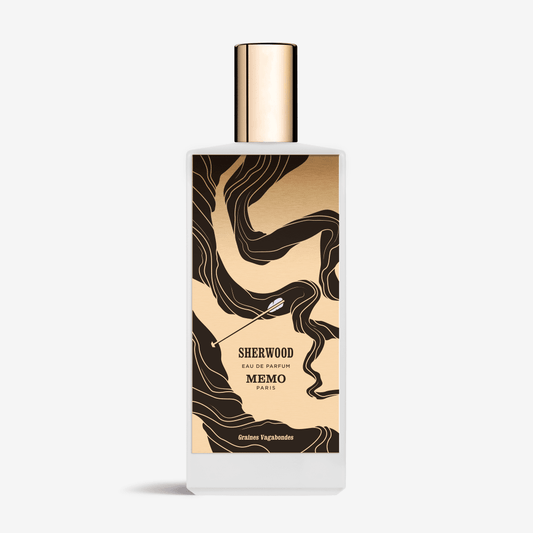
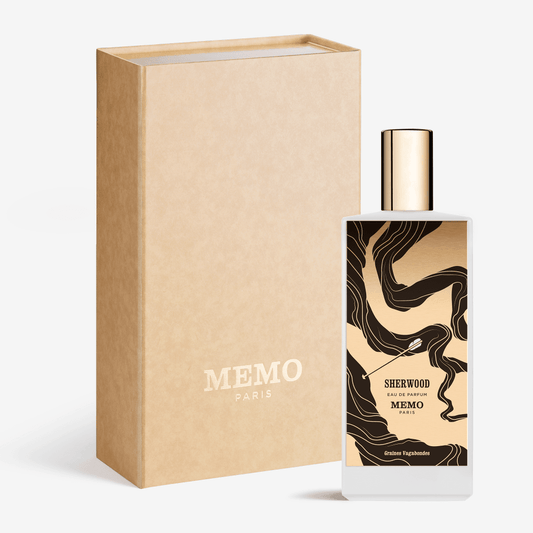
Bois Flotte by Chambre52, signed by Nicolas Beaulieu, gives the woodiest reading, on a beach wood washed by the sea. Les bras de Morphee by Hellenist, composed by Suzy Le Helley, uses it on the powdery side, under heliotrope and violet. At BDK Parfums, Pas ce Soir by Violaine Collas uses it to anchor a spicy floral, and Odeon by Memo, by Alienor Massenet, places it under an ambery rose. More gourmand, Tonkade by Laboratorio Olfattivo shows what it does to a vanilla: it dries it out and stretches it.
Cashmeran accords and fragrance families
Cashmeran is a base note, and a very pliable one. It structures woody perfumes alongside sandalwood, patchouli and vetiver. With vanilla and tonka bean it gives gourmand perfumes that are less sweet than they look. Its powdery facet makes it precious under an iris or a heliotrope, and under a rose it produces those contemporary floral perfumes, velvety and long-lasting. It also turns up in oriental perfumes, where it often replaces musks that have become harder to use.
Who is it for, and when?
Cashmeran is unisex without argument and has no marked season, even if its woolly warmth is more audible in autumn and winter. It is a comfortable note, never aggressive, staying fairly close to the body while lasting. Two honest reservations. Overdosed, it turns dry and slightly grating, and produces that synthetic-base impression some people hold against contemporary perfumes. And its tenacity on textiles is real: a sprayed jumper keeps the note for several days, which is an advantage if you love the fragrance and a nuisance if you change your mind.
How to choose your cashmeran perfume
Do not look for cashmeran in a list of top notes, you will never find it there: you have to wait four to six hours to know what it does on you. It is exactly the kind of note that is judged badly on a blotter and well on skin. The bespoke discovery box brings together five 2 mL samples composed by hand, each to be worn for a full day. To get your bearings, compare a woody, washed-out cashmeran such as Bois Flotte with a powdery, enveloping one such as Les bras de Morphee. The same ingredient plays two opposite roles.
Cashmeran at Le Soleil d'Or, a Lille perfumery since 1953
Founded in 1953 by Jeanne Muyllaert on the Grand'Place in Lille, Le Soleil d'Or is an independent perfumery passed down from one generation to the next. Hubert Maes (third generation) turned it into a reference for niche perfumery; today his daughters Victorine and Apolline Maes (fourth generation) uphold the same standards at 22 rue de la Clef, Lille (59800). Our team will let you smell the cashmeran perfumes in the catalogue, with expert advice and guided trials, and can point you in the right direction using our guide to fragrance families.
Delivery & free in-store collection in Lille
Within mainland France, Colissimo delivery is free from 49 € to a pickup point and from 79 € to your door. Within Europe, it is free from 90 € to a pickup point and from 120 € to your door; we also ship worldwide. Live in Lille or nearby? Free in-store collection at 22 rue de la Clef is the fastest and most economical option. Full terms on our shipping page.